

Gopalkala from Maharashtra
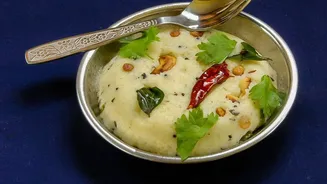
In Maharashtra, Janmashtami celebrations, especially the Dahi Handi ritual, are synonymous with Gopalkala. This savoury dish is a simple, no-cook preparation that reflects the communal spirit of Krishna's childhood. It's made with soaked poha (flattened
rice), mixed with yogurt, fresh cucumber, grated coconut, and sometimes pomegranate seeds and peanuts. The mixture is then tempered with ghee, cumin seeds, and green chillies, creating a light, refreshing, and flavourful prasad. Gopalkala is believed to represent the meal Krishna shared with his cowherd friends, blending all their offerings into one humble and delicious dish. It is the very delicacy that is often filled inside the Dahi Handi, making it central to the state's festivities.
Dhaniya Panjiri from North India
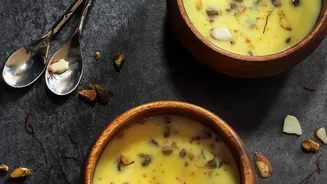
A staple prasad in Uttar Pradesh, Punjab, Bihar, and surrounding regions, Dhaniya Panjiri is uniquely suited for Janmashtami. Many devotees fast on this day, abstaining from grains. This panjiri cleverly substitutes whole wheat flour with roasted coriander seed powder (dhaniya), making it a grain-free offering. The ground coriander is roasted in ghee until aromatic and then mixed with powdered sugar, makhana (fox nuts), and an assortment of chopped nuts and dried fruits. Beyond its ritualistic importance, Dhaniya Panjiri is valued for its health benefits; coriander is known to aid digestion, which is especially helpful after a day of fasting. Its nutty, sweet, and fragrant profile makes it a beloved part of midnight celebrations.
Taler Bora from Bengal
In Bengal, the arrival of Janmashtami is heralded by the sweet fragrance of Taler Bora, or sugar palm fritters. The festival coincides with the ripening season of the Asian palmyra palm (taal), making it a perfect example of seasonal, regional devotion. The pulp of the ripe fruit is painstakingly extracted and mixed with rice flour, semolina, grated coconut, and either sugar or jaggery to form a thick batter. These small dollops are then deep-fried until they turn a beautiful golden brown. A popular Bengali rhyme even describes how Krishna’s foster father, Nanda, danced with joy after eating these delicious fritters, highlighting their deep cultural connection to the festival.
Seedai and Murukku from Tamil Nadu
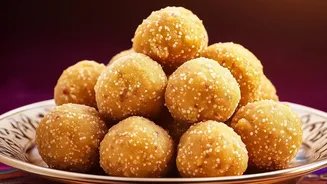
In South India, where the festival is known as Krishna Jayanthi or Gokulashtami, the focus turns to meticulously prepared rice-flour snacks. The most essential of these is Seedai, small, spherical, deep-fried balls that come in both sweet (Vella Seedai) and savoury (Uppu Seedai) versions. Vella Seedai is made with rice flour and jaggery, while the savoury Uppu Seedai includes urad dal flour and butter. Alongside Seedai, various forms of Murukku—a crunchy, spiral-shaped snack—are also prepared. These snacks, known as 'bakshanam', require skill and patience to prepare, making their creation an act of pure devotion. The kitchen truly comes alive, producing an array of treats that reflect Krishna's legendary love for all things sweet, savoury, and buttery.