
The Science of Keeping Mithai Fresh
The main culprits behind stale sweets are air and moisture. Exposure to air causes oxidation, which makes fats in ghee and nuts turn rancid, altering the flavour. Meanwhile, moisture is a double-edged sword. Dry sweets like shankarpali or mathri become
soggy when they absorb moisture from the air, while moist sweets like barfi or peda become hard and dry when they lose it. The goal of proper storage is to create a stable environment that shields your mithai from these elements, preserving its intended taste and texture for as long as possible. An effective container is your first and best line of defence.
Choosing Your Storage Champion: Container Materials
Not all containers are created equal when it comes to preserving freshness. Glass and stainless steel are widely considered the best options for storing Indian sweets. Both materials are non-porous and non-reactive, meaning they won't absorb odours or flavours from the sweets, nor will they leach any chemicals into them. Glass jars have the added benefit of being transparent, so you can easily see what's inside. Stainless steel is lighter and unbreakable, making it a durable choice. While food-grade plastic is an affordable option, it can sometimes absorb strong smells and may not offer a perfect seal. Whichever material you choose, the most crucial feature is a truly airtight lid. A simple press-on lid is often not enough; look for containers with silicone seals or locking mechanisms to ensure no air gets in or out.
Not All Sweets Are Stored the Same
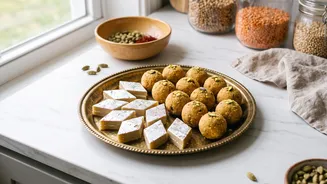
Different types of mithai have different storage needs based on their ingredients and moisture content. Mixing them up is a common mistake. Storing a syrupy gulab jamun next to a dry besan ladoo will cause the ladoo to become damp and spoil faster. It’s essential to store different categories of sweets in separate airtight containers. Even sweets of the same type, like two different kinds of barfi, are best stored separately to preserve their unique flavours. Using parchment or butter paper between layers can also prevent sticking and provide an extra barrier against air.
A Guide to Storing Different Mithai
Here's a simple breakdown for common Diwali sweets:
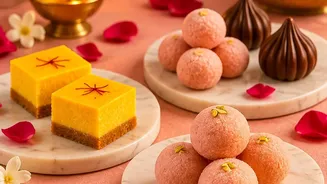
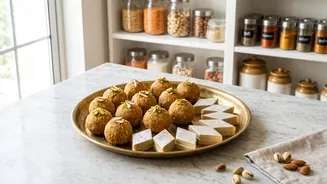
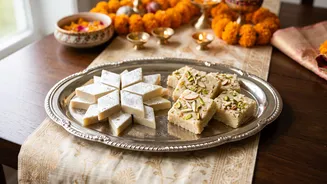
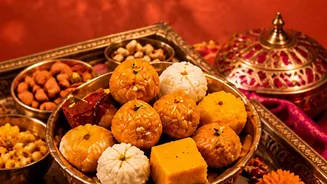
Dry, Nut, or Ghee-Based Sweets: Items like Ladoos, Kaju Katli, Soan Papdi, and Shankarpali have a lower moisture content and a longer shelf life. They should be stored in an airtight container in a cool, dark, and dry place at room temperature. They can last anywhere from 7 to 15 days this way.
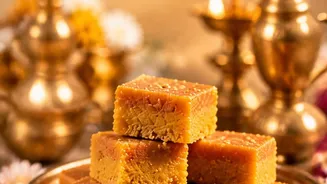
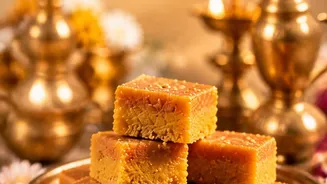
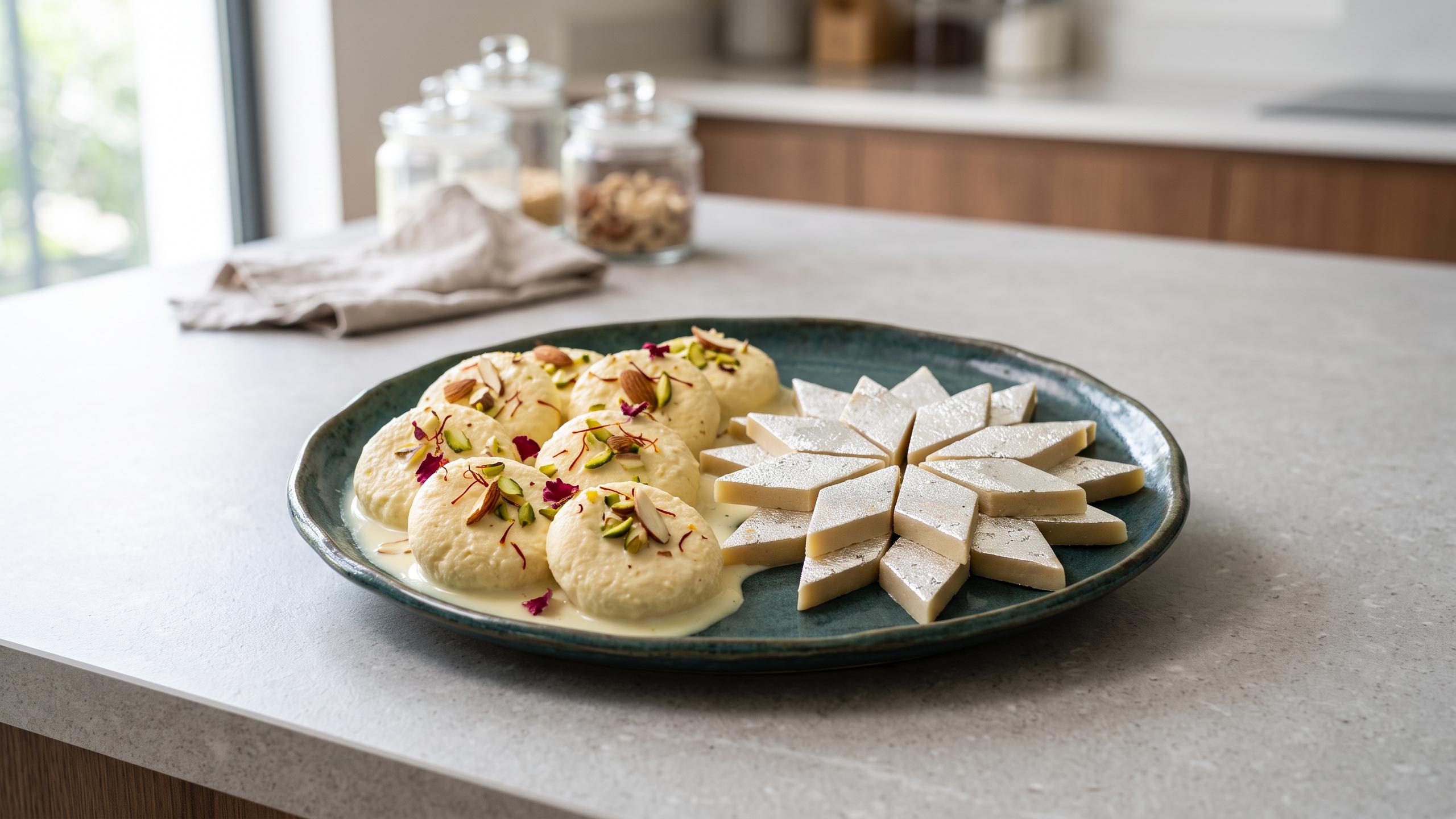
Milk-Based Sweets (Khoya/Mawa): Sweets like Barfi, Peda, and Kalakand are made with perishable milk solids. These must be refrigerated in an airtight container to prevent bacterial growth. Their shelf life is much shorter, typically around 3 to 5 days, even when chilled.
* Syrup-Based Sweets: Treats like Gulab Jamun and Rasgulla should be kept in the refrigerator, fully submerged in their syrup within a leakproof container. This helps them stay soft and flavourful for about 3 to 4 days.
Common Mistakes to Avoid
Even with the best containers, a few simple errors can undo your hard work. First, never store sweets while they are still warm. Trapped heat creates condensation, which introduces moisture and leads to sogginess and spoilage. Always let your creations cool completely to room temperature before packing them away. Second, avoid placing containers near direct sunlight or heat sources like a stove, as warmth accelerates staling. Finally, resist the urge to put everything in the fridge. While essential for milk‐based sweets, refrigeration can actually dry out certain ghee‐and nut‐based mithai, ruining their texture.