







Humidity: The Pantry's Unseen Enemy
High humidity, especially during the Indian monsoon, is a major challenge for storing dry goods. Semolina, or sooji, is particularly susceptible. Made from durum wheat, its high protein and absorbent nature make it a magnet for moisture. This moisture absorption
leads to several problems: clumping, which makes it difficult to use; a musty, stale flavour; and, worst of all, it creates the perfect breeding ground for mould and tiny insects or worms. Anyone who has had to discard a whole container of sooji knows the frustration. The warm, damp air essentially invites spoilage, turning a versatile kitchen staple into waste. This is why proper storage becomes not just a matter of neatness, but of necessity.
The Preserving Power of Roasting
The simplest and most effective way to combat this humidity-induced spoilage is dry roasting. This traditional method is a game-changer for extending the life of your sooji. The process works by using gentle heat to evaporate any existing moisture within the grains. By removing this water content, you make the sooji an inhospitable environment for insects and mould. This simple act of preservation does more than just protect the sooji; it also has culinary benefits. Roasting enhances the natural nutty flavour of the grain, making your dishes like upma, halwa, or cheela more aromatic and delicious. Furthermore, having pre-roasted sooji on hand significantly speeds up your cooking process, which is a huge advantage on busy mornings.
Your Step-by-Step Roasting Guide
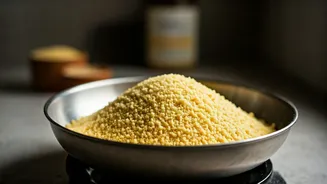
The 'hack' is in its simplicity and effectiveness. You don't need any special equipment—just a heavy-bottomed pan or kadai and a spatula. Start by heating the pan on a low to medium flame. Add the sooji to the dry pan; there is no need for oil or ghee for this preservation method. The key is to roast it in batches if you have a large quantity, ensuring an even roast without overcrowding the pan. Stir continuously to prevent the bottom from burning and to ensure all the grains are heated evenly. You'll know it's done after a few minutes when a pleasant aroma is released, and the sooji becomes free-flowing and non-sticky. It should not change colour drastically, just a very light creaminess is sufficient. Some prefer a golden-brown hue for flavour, which is also fine. The main goal is moisture removal.
The Most Crucial Step: Cooling and Storage
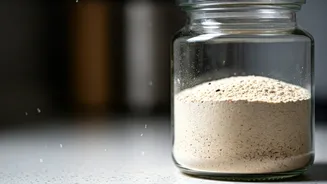
Roasting is only half the battle. If you store the sooji while it's still warm, condensation will form inside the container, reintroducing the very moisture you worked to remove. This would ruin your efforts and cause the sooji to spoil even faster. Once roasted, immediately transfer the sooji from the hot pan to a large, flat plate or tray. Spread it out to allow it to cool down completely and evenly. This might take 30 minutes or more, but patience is critical. Once it is completely at room temperature, transfer it to a clean, dry, airtight container. A glass or metal jar is ideal for keeping moisture out. For extra protection during extremely humid months, you can even store this airtight container in the refrigerator or freezer, which will keep it fresh for months.
Bonus Tips for an Insect-Free Pantry
While roasting is the primary defence, you can add a few extra layers of protection. Adding a couple of bay leaves or a small stick of cinnamon to your container of roasted sooji can work wonders. The strong aroma of these spices acts as a natural insect repellent, deterring pests from taking up residence in your jar. You can also apply this roasting technique to other pantry items that are prone to spoilage in humid weather. Flours like besan (gram flour), maida (all-purpose flour), and even some lentils can benefit from a light dry roast before storage. By taking these small, proactive steps, you can significantly reduce food wastage and ensure your ingredients are always fresh and ready to use, no matter the weather outside.