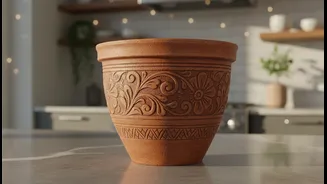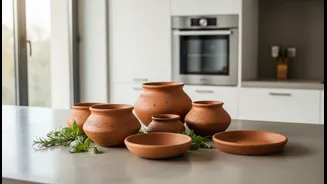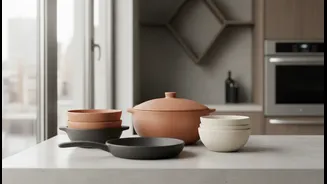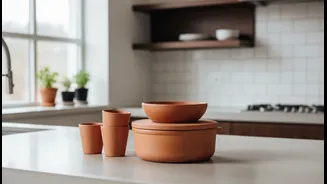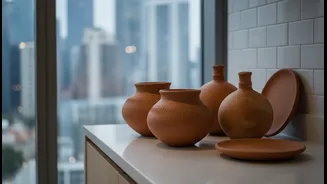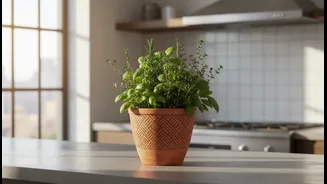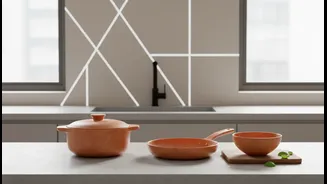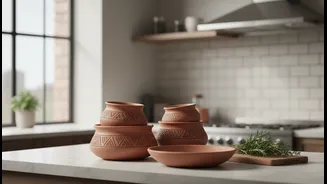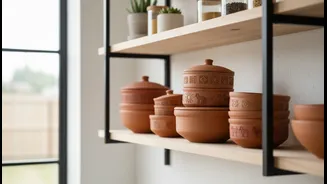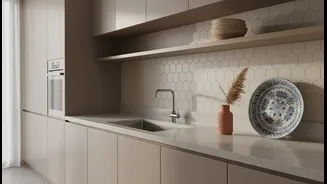




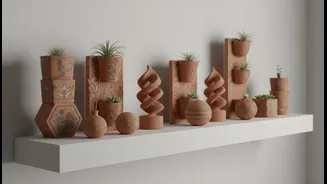


The sleek, minimalist kitchen of a metro high-rise might seem an unlikely place for rustic earthenware. Yet, traditional Rajasthani clay products are making a stylish comeback, transformed to fit seamlessly into contemporary urban homes.
The Timeless Appeal of Terracotta
For centuries,
clay has been a staple in Indian kitchens, and for good reason. Its natural, chemical-free composition ensures that food remains pure and wholesome. The porous nature of clay allows for slow, even cooking, which helps retain the natural moisture and nutrients in ingredients. This slow-cooking process enhances the flavour and aroma of dishes, lending an earthy taste that metal cookware cannot replicate. Beyond cooking, clay's inherent properties make it excellent for storage. Water kept in an earthen pot stays naturally cool, and curd sets thicker and creamier due to the pot absorbing excess water. These foundational benefits are the primary drivers behind its revival in health-conscious, modern households.
A Makeover in Form and Finish
The real story of adaptation lies in the design evolution. Artisans from Rajasthani pottery hubs like Pokhran and Molela, often in collaboration with contemporary designers, are reinventing traditional forms. The bulky, rustic shapes of the past are being replaced by sleeker, more minimalist silhouettes that align with modern aesthetics. You'll now find terracotta water bottles designed to fit neatly into a refrigerator door, compact curd setters with chic wooden lids, and dinner sets with a clean, contemporary finish. The famous Blue Pottery of Jaipur, traditionally decorative, is now being produced with lead-free glazes, making it safe for utilitarian items like mugs, bowls, and serving dishes that were once purely ornamental. Artisans are also experimenting with new colour palettes and finishes, moving beyond traditional terracotta red to include blacks, whites, and matte textures that complement modern kitchen interiors.
Functionality for the Urban Lifestyle
For these products to succeed in metro kitchens, they must be practical. The redesigns focus heavily on improved functionality for today’s fast-paced life. Clay pots and pans now come with ergonomic handles, and serving vessels are lighter and less fragile. Unglazed cookware is often pre-seasoned, making it ready to use. The versatility of these products is another major draw; a single clay handi can be used for slow-cooking curries, making biryani, or even serving the dish directly on the table, adding a touch of rustic charm to the dining experience. Brands are creating entire kitchenware ranges, from chapati boxes and mortar and pestle sets to pizza platters and baking dishes, all made from clay but designed for the needs of a modern cook. This blend of traditional material with modern application makes it an easy and sustainable switch for urban consumers.
Bridging Heritage and the Modern Market
This trend represents more than just a new aesthetic; it's a vital bridge connecting rural artisans with a global marketplace. E-commerce platforms and design-led brands play a crucial role, providing artisans access to urban consumers in cities like Mumbai, Delhi, and Bengaluru who are eager for authentic, sustainable, and handcrafted goods. This synergy ensures that heritage craft skills are not only preserved but also seen as relevant and valuable in the contemporary world. By purchasing these modernised clay products, consumers are not just making a lifestyle choice but are also supporting the livelihoods of artisan communities and helping to keep a centuries-old tradition alive and thriving. This conscious consumerism fosters a model where tradition and modernity can coexist beautifully, creating value for everyone involved.