





The Irresistible Pull of Nostalgia
The most powerful force driving this trend is pure, unadulterated nostalgia. Films like 'Jab We Met', 'Yeh Jawaani Hai Deewani', and 'Veer-Zaara' are not just movies; they are time capsules. For many millennials, these films represent their college days,
first loves, and formative years. Watching them on the big screen is a chance to relive those memories. Even for Gen Z, who may have discovered these films through social media reels and streaming platforms, seeing them in a theatre is a new, exciting experience. Exhibitors note that even though these movies are readily available online, audiences are still eager to pay for the theatrical experience, proving the magic of the big screen is far from over. It’s a chance to reconnect with a time when stories felt simpler, songs were epic, and romance was grand.
Smart Economics for Struggling Cinemas
Beyond the emotional appeal, the re-release trend is rooted in sound business strategy. For theatre owners, it’s a low-risk way to fill seats, especially during periods with a weak pipeline of new releases. Acquiring the rights to screen an old film is significantly cheaper than for a new one, and marketing costs are minimal because the films already have a dedicated fan base. While the revenue from a re-release might be a fraction of a new blockbuster's, it provides a steady and predictable income stream. It keeps the popcorn and beverage counters busy and helps cinemas maintain footfall. With many recent big-budget films underperforming, these beloved classics offer a reliable way to keep the business running. Some films that were not huge hits on their initial run, like 'Laila Majnu' or 'Tumbbad', have found massive success and a new audience in their second theatrical life.
The New Community Viewing Experience
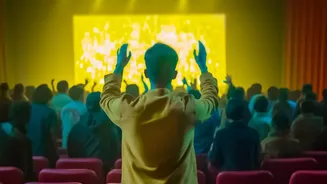
Today's re-releases are more than just movie screenings; they are full-blown cultural events. Social media plays a huge role in building hype, with fans organizing group viewings and sharing clips of audiences singing and dancing in the aisles. Theatres are transforming into celebration zones, where viewers don't just watch passively but actively participate. When 'Jab We Met' was re-released for Valentine's Day, it saw sold-out shows with audiences cheering for Geet's iconic lines. The experience is no longer about just seeing the film, but about sharing the joy with a community of fellow fans. This communal aspect is something that watching at home on a streaming service can never replicate. For a generation that grew up with these films, it's a chance to celebrate a shared cultural touchstone together.
A Subtle Critique of Modern Bollywood?
The success of older films also sparks a conversation about the state of contemporary Hindi cinema. Some viewers and industry insiders suggest that the return to these classics reflects a dissatisfaction with current offerings. Many of today's films are seen by some as lacking the emotional depth, memorable music, and relatable storytelling that made movies from the 90s and 2000s so beloved. When a 20-year-old film like 'Veer-Zaara' can generate over 5 crore globally in a re-release, it sends a message. Audiences are signaling a desire for the grand emotions, epic song-and-dance numbers, and compelling characters that they feel are missing from many modern productions. The trend suggests that people are not just looking for something old, but for a particular kind of cinematic magic they feel is increasingly rare.