




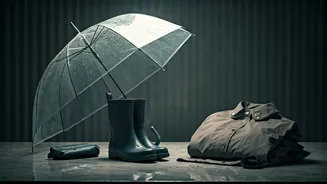


The Raincoat: Your Primary Shield
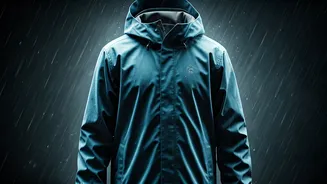
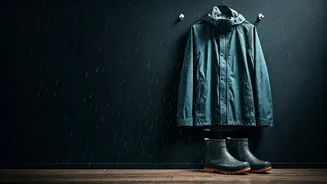
The most crucial decision in buying a raincoat is understanding the difference between 'water-resistant' and 'waterproof'. Water-resistant jackets can handle a light drizzle for a short time, but will eventually get saturated. For the Indian monsoon,
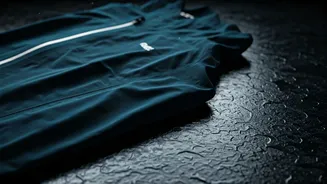
a truly waterproof jacket is non-negotiable. Look for fabrics that are not just coated but have an inbuilt waterproof membrane. These jackets are often described as having 2-layer, 2.5-layer, or 3-layer construction, with 3-layer options offering the best durability and breathability for active use. An essential feature to look for is 'fully taped' or 'sealed' seams. While the fabric itself may be waterproof, the tiny holes from stitching can let water in. Seam sealing uses waterproof tape to cover these holes, ensuring you stay completely dry even in a downpour. For added comfort during humid weather, look for jackets with breathable fabrics and features like pit zips (underarm vents) to allow sweat to escape.
The Gumboots: A Solid Foundation
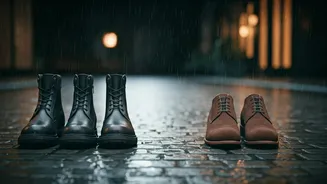
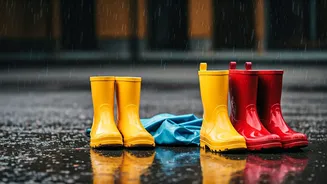
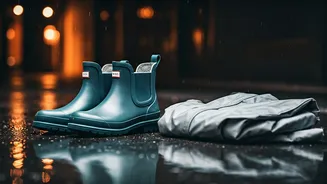
Gumboots have evolved from clunky necessities to stylish, functional footwear. The main choice you'll face is between natural rubber and PVC (polyvinyl chloride). Natural rubber, derived from rubber trees, is more flexible, conforms better to your foot, and is generally more comfortable for walking long distances. PVC is a synthetic plastic that is often lighter, more affordable, and more resistant to chemicals, making it a durable choice for harsh conditions. The height of the boot also matters. Knee-high boots offer maximum protection for your trousers and against deep puddles, while ankle or mid-calf boots provide better flexibility and are often easier to style for city use. Regardless of material, a good tread is crucial for grip on slippery, wet pavements. Look for deep-grained soles and a comfortable fit that doesn't cause your foot to slide around inside, which can lead to blisters.
Style Meets Function
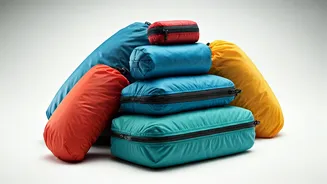
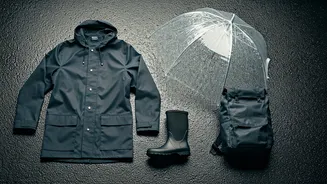
Gone are the days when rain gear was purely utilitarian and drab. Today, you can find raincoats in a spectrum of colours and modern silhouettes. Long raincoats that go below the knee offer excellent coverage and a chic, trench-coat-like appearance. Packable, lightweight jackets are perfect for travel or when there's a chance of unexpected showers. Some have even made a fashion statement with transparent raincoats that protect you while showing off your outfit underneath. Gumboots, too, are available in countless colours and patterns. Ankle-height boots, in particular, can be styled easily with jeans or dresses for a fashionable yet practical look. The key is to choose pieces that reflect your personal style, ensuring you'll actually want to wear them when the skies open up.
Making Your Insurance Last
Like any good investment, your rain gear needs proper care to maintain its performance. After use, always shake off excess water and wipe away any mud or dirt with a damp cloth. It's crucial to allow your gear to air dry completely before storing it to prevent mildew and unpleasant smells. Avoid storing boots or coats in direct sunlight, as prolonged exposure can cause materials like rubber to become brittle and crack. When it's time for a proper clean, always check the care label first. For raincoats, use a specialist cleaner designed for technical apparel, as regular detergents and fabric softeners can damage the waterproof coating. A gentle wash cycle is usually recommended. For gumboots, a simple rinse with mild soap and water is sufficient. Periodically, you may also need to reapply a Durable Water Repellent (DWR) spray to your jacket to help water continue to bead up and roll off the surface.