





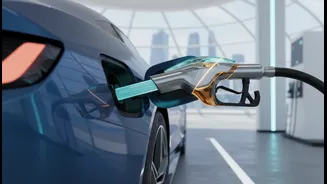



A New Generation's Dilemma
For many young Indians today, owning a vehicle is a rite of passage, a symbol of freedom and aspiration. Yet, this generation is also acutely aware of its environmental footprint. They face a dual challenge: the desire for personal mobility often clashes
with concerns about air pollution and the rising cost of petrol. This has created a significant market for solutions that are both eco-friendly and budget-conscious. While electric vehicles (EVs) are part of the conversation, flex-fuel vehicles (FFVs) are emerging as a practical and immediate alternative that resonates strongly with young, pragmatic buyers.
Understanding Flex-Fuel Technology
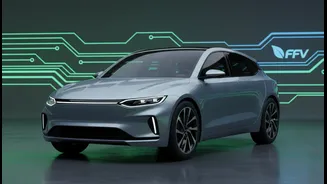
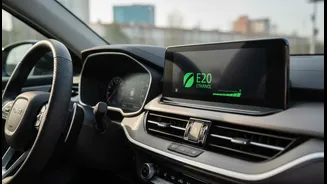
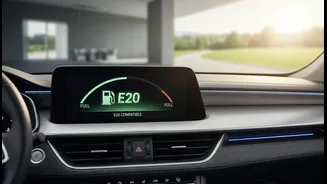
So, what exactly is a flex-fuel vehicle? In simple terms, an FFV is a car with an internal combustion engine designed to run on more than one type of fuel. Specifically, these cars can use regular petrol or a blend of petrol and ethanol. The vehicle's engine control system automatically detects the fuel mixture—be it E20 (20% ethanol) or E85 (85% ethanol)—and adjusts its performance accordingly. This technology isn't brand new, but it's gaining significant traction in India as the government pushes for greater use of ethanol, a renewable fuel largely produced from sugarcane and other crops. This reduces reliance on imported crude oil and lowers greenhouse gas emissions compared to traditional petrol cars.
Government’s Green Light Initiative
The Indian government is actively promoting this transition through its Ethanol Blended Petrol (EBP) programme. The initial goal of achieving 10% ethanol blending was met ahead of schedule in 2022, and the country is now on a fast track to make E20 fuel the standard by 2025-26. Automakers like Maruti Suzuki, Tata, and Toyota are already producing E20-compliant cars and are gearing up to launch models that can handle even higher blends like E85 and E100. This policy push is complemented by the Vehicle Scrappage Policy, which provides financial incentives for retiring old, polluting vehicles. When combined, these initiatives create a powerful incentive structure for owners to upgrade.
The Appeal for Young Upgraders
This combination of factors is what makes the flex-fuel transition particularly appealing to young people. First is the economic benefit. Ethanol is generally cheaper than petrol, potentially lowering running costs. This is a major draw for a demographic that is often budget-sensitive. Coupled with incentives from the scrappage policy—such as a discount on the new vehicle's ex-showroom price and waivers on road tax and registration fees—the financial barrier to owning a new, cleaner car is significantly lowered.
Second is the environmental appeal. Adopting an FFV is a tangible way for young drivers to reduce their carbon footprint without the range anxiety or high upfront cost associated with EVs. It aligns with the values of a generation that prioritizes sustainability. Finally, there's the element of being tech-forward and future-ready. Owning a vehicle that is in line with the nation's long-term energy strategy provides a sense of security and smart investment.
Navigating the Road Ahead
The transition is not without its challenges. A primary concern is the availability of higher-blend ethanol fuels like E85, which is currently limited to a few outlets. The government and oil marketing companies are working to expand this infrastructure, but it will take time. There are also debates around fuel efficiency, as ethanol contains less energy than petrol, which can lead to lower mileage. However, manufacturers are continuously improving engine technology to mitigate this, and the lower cost of ethanol can often offset the difference. Public awareness and dispelling myths around engine performance and maintenance are also crucial for wider acceptance.