








The Monsoon Dilemma in the Hills
July in India brings lush greenery but also treacherous conditions to popular hill stations. This year is no different. As of mid-July 2026, heavy rains have caused disruptions across Himachal Pradesh, with landslides reported in and around Shimla and the
Kullu district. Roads like the busy Mandi-Pandoh stretch have become vulnerable, and authorities have issued advisories urging caution. For travellers, this means cancelled plans and the frustrating search for a safe alternative. While destinations like Manali and Shimla are beautiful, they are squarely in the path of the monsoon, making them a risky bet for a stress-free break during this period.
Spiti: The Desert in the Rain Shadow
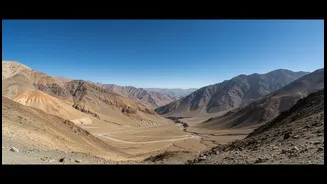
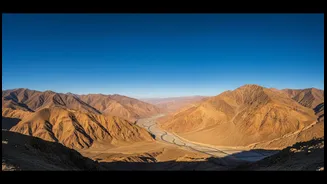
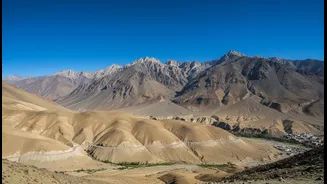
This is where Spiti Valley comes in. Tucked away in the high Himalayas, Spiti is a cold desert that sits in a 'rain shadow'. The towering mountain ranges that surround it block the moisture-laden monsoon clouds from entering the valley. As a result, while the rest of the country is drenched, Spiti enjoys mostly dry, sunny weather with clear blue skies. This unique geography makes it one of the safest and most spectacular places to visit in India during the monsoon months, offering all the adventure of the mountains without the constant threat of rain and landslides.
Your Gateway to Spiti: Choosing a Route
Getting to Spiti is an adventure in itself, with two primary routes. The first, and more reliable option, is via Shimla and Kinnaur. This route is open almost year-round and offers a gradual ascent, which is crucial for acclimatising to the high altitude. While the road is long, it's generally in better condition, though travellers should expect some slow-moving traffic due to ongoing repairs from previous monsoons. The second route is from Manali via the Atal Tunnel and Kunzum Pass. This path is shorter and more dramatic but also more challenging. It typically opens by mid-June, making July a good time to travel. However, the rapid altitude gain increases the risk of mountain sickness, and the stretch between Gramphu and Losar is notoriously difficult. For a first-time visitor in July, the Shimla route is the recommended entry point.
What to See in the Land of Lamas
Once you're in Spiti, you'll find a world that feels completely removed from time. The landscape is a stark and stunning canvas of barren mountains, deep gorges, and the turquoise Spiti River. The valley is dotted with ancient Buddhist monasteries that seem to cling to cliffs. Don't miss the iconic Key Monastery, the largest in Spiti, perched on a hilltop overlooking the valley. Another must-visit is Tabo Monastery, a UNESCO World Heritage site known for its ancient murals. You can also explore some of the world's highest inhabited villages, such as Komic and Hikkim, which is home to the world's highest post office—a perfect spot to send a postcard from the edge of the world.
Essential Tips for a Smooth Trip
A trip to Spiti requires some preparation. Daytime temperatures in July are pleasant, ranging from 15°C to 25°C, but nights can be cold, dropping to between 5°C and 10°C, so packing in layers is essential. The sun at high altitudes is harsh, so sunscreen, sunglasses, and a hat are non-negotiable. Acclimatisation is key to avoiding Acute Mountain Sickness (AMS); take it slow for the first couple of days. Mobile connectivity is patchy at best, with BSNL and Jio offering some service in Kaza, but you should be prepared to be offline for large parts of your journey. Finally, while the roads are open, they are still mountain roads. Always check the latest status before you travel and consider hiring an experienced local driver.