

More Than a Sweet Gesture
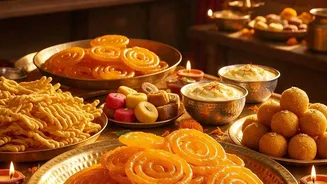
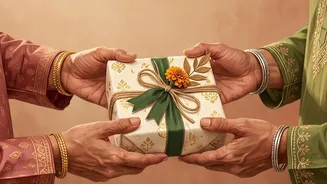
In Indian culture, food, especially sweets, is deeply intertwined with emotion and spirituality. Gifting 'mithai' during Diwali is a cherished tradition symbolizing joy, prosperity, and goodwill. It's a way to share happiness and strengthen bonds with family,
friends, and neighbors. This act transcends a simple transaction; it is a heartfelt expression saying, 'Your happiness is my happiness'. The exchange of these food gifts is a ritual of social and religious importance, serving as offerings to deities during puja and as tokens of abundance shared within the community. Each box of sweets carries wishes for good fortune and a sweet start to the new year.
The Kitchen as a Classroom
For many families, the most meaningful Diwali foods are those made at home. Kitchens become bustling hubs of activity days before the festival, where multiple generations gather to chop, stir, and shape traditional delicacies. This communal act of cooking is where the magic truly happens. Grandmothers pass down heirloom recipes for ladoos and barfis, not through written instructions, but through shared practice and storytelling. Children learn the delicate art of folding a 'karanji' or the precise technique for frying 'murukku'. These sessions are about more than just culinary training; they are a vital way of preserving cultural heritage and creating lasting memories that bind the family together.
Every Treat Tells a Story
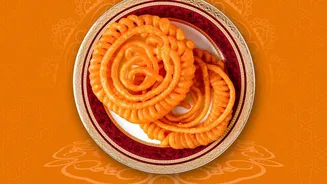
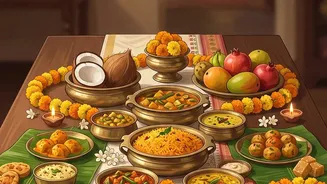
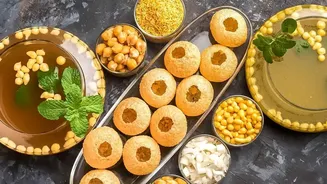
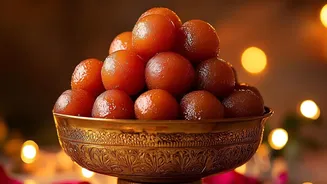
Different regions across India have their own signature Diwali treats, each with a unique history and flavour profile. In the North, rich, milk-based sweets like Gulab Jamun and Kaju Katli are popular, symbolizing prosperity. Maharashtrian families prepare a platter of snacks called 'Faral', featuring both sweet and savoury items like Chakli and Shankarpali. In the South, sweets often feature rice flour, jaggery, and coconut, such as the doughnut-like Adhirasam. Some sweets have legendary origins; Ladoos, for instance, are linked to Lord Ganesha's love for them, making them a popular offering to invite blessings. These regional variations showcase the incredible diversity of Indian cuisine while sharing a common theme of celebration and gratitude.
A Language of Love and Community
Ultimately, the exchange of food during Diwali is a form of non-verbal communication. It's a language of love, respect, and community that everyone understands. When a platter of homemade sweets is offered to a guest, it’s a gesture of warm hospitality. Sharing these gifts with neighbors reinforces a sense of unity and goodwill that extends beyond family lines. In a spiritual context, food first offered to the deities as 'naivedya' or 'prasad' becomes sanctified and is believed to bestow blessings upon those who consume it. This transforms the act of eating from simple sustenance to a deeply spiritual experience, purifying the mind and body. The consciousness of the cook is believed to enter the food, so a dish prepared with devotion is thought to incline the eater's mind toward spirituality.