




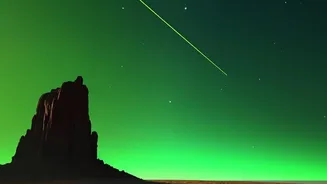

An Annual Spectacle Meets a Seasonal Reality
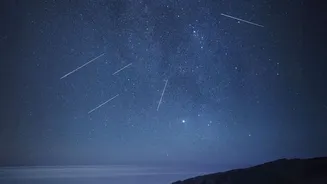
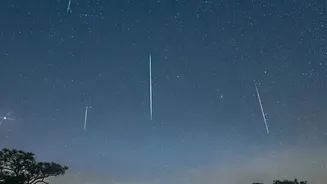
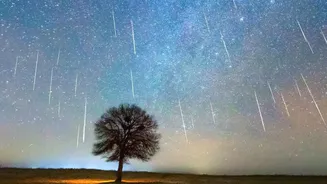
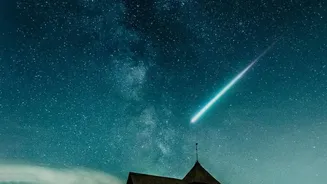
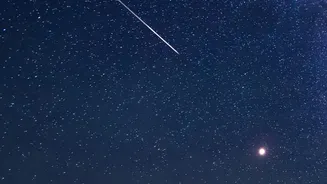
Every August, Earth passes through the dusty trail left by Comet Swift-Tuttle, creating one of the best celestial shows of the year: the Perseid meteor shower. At its peak, stargazers in dark locations can see 50 to 100 shooting stars per hour. This year,
the show peaks on the nights of August 12 and 13, perfectly timed with a new moon, which means the sky will be extra dark and even faint meteors should be visible. However, for most of India, the peak of the Perseids coincides with the peak of the southwest monsoon. This means the primary challenge for aspiring viewers isn't light pollution or finding the right time, but simply dealing with a thick blanket of clouds that can obscure the sky for days on end.
The Strategy: Hunt for 'Sucker Holes'
Your key to seeing the Perseids during the monsoon lies in finding what meteorologists and pilots call a 'sucker hole'—a temporary break in the clouds that gives a brief glimpse of clear sky. These gaps can be fleeting, lasting from a few minutes to an hour, but they are often long enough to catch part of the celestial show. The India Meteorological Department (IMD) has forecast 'below-normal' rainfall for much of the country in August 2026, which might lead to more frequent or longer breaks in the cloud cover than in wetter years. The trick is to be prepared to take advantage of these windows the moment they appear. This requires a shift in mindset from planning a long night of stargazing to being ready for an opportunistic, last-minute dash.
Be Ready to Act Fast
Success depends on preparation. Start by monitoring weather apps and satellite imagery frequently. Look for developing gaps in the cloud systems over your area. Have a designated viewing spot in mind—ideally one you can get to quickly and safely, away from the worst of the city lights. Keep a simple 'go-bag' ready with essentials: a mat or reclining chair to lie on, a blanket for warmth, and perhaps a thermos of a warm drink. Binoculars can be a great tool for this kind of viewing, as they are easy to grab and can help you scan a small patch of clear sky effectively. No telescope is needed, as the meteors are best seen with the naked eye scanning a wide area. Let your eyes adjust to the darkness for at least 20 minutes to maximise your chances of spotting fainter streaks.
Location and Timing Are Everything
While rain-shadow regions like Ladakh and parts of Spiti Valley offer the most reliable clear skies during the monsoon, they aren't accessible to everyone. For those in other parts of India, the goal is to find a local spot with the least amount of light pollution that you can access on short notice. This could be a nearby park, the terrace of a tall building, or a location on the outskirts of your town. The best viewing times are generally after midnight and into the pre-dawn hours, specifically between 2:00 AM and 4:30 AM on the mornings of August 12 and 13. This is when the shower's radiant point—the constellation Perseus—is high in the sky, and your part of Earth is facing directly into the meteor stream, increasing the number of visible meteors.
Manage Expectations and Enjoy the Hunt
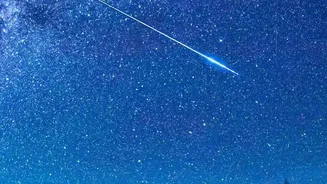
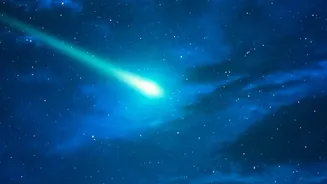
Viewing meteors during the monsoon is a game of patience and luck. You might spend a few nights watching the clouds with no success. But the reward for your persistence can be immense. Catching a bright fireball—an exceptionally vivid meteor from a larger particle of comet debris—streaking across a momentary gap in the monsoon clouds is a truly special experience. Don't aim for a perfect, hours-long viewing session. Instead, appreciate the small victories. A 30-minute window of clear sky might yield a handful of beautiful meteors and a memorable story. The hunt itself, the act of watching the weather and waiting for that brief connection to the cosmos, can be just as fulfilling as the sighting.