






The Hidden Cost of Convenience
The allure of a one-hour flight is undeniable. Hopping from Bangkok to Chiang Mai or Kuala Lumpur to Singapore in the time it takes to watch a film seems like a travel miracle. But this convenience carries a significant carbon footprint. Short-haul flights
are notoriously inefficient, burning a disproportionate amount of fuel during takeoff and ascent. A single domestic flight can generate hundreds of kilograms of CO2 per passenger, contributing significantly to your personal carbon ledger. When we multiply this by the millions of travellers crisscrossing the region annually, the collective impact on the climate is staggering. Choosing to fly for short distances is often the single most polluting decision a traveller can make, undermining the very natural beauty they have come to see.
The Train’s Greener Advantage
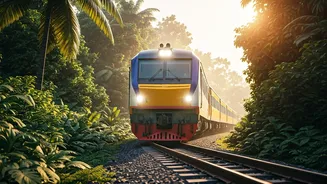
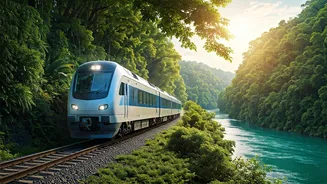
So, are trains in Southeast Asia truly 'carbon neutral'? The term requires a closer look. While some modern lines are electric, many of the region’s most iconic routes still run on diesel. However, the key is efficiency. On a per-passenger basis, a train journey emits a fraction of the carbon that a flight does—often up to 80-90% less. The 'carbon neutral' claim made by some booking platforms is typically achieved through carbon offsetting, where they invest in environmental projects to compensate for the emissions produced. While offsetting is a complex topic, the fundamental choice remains clear: even a diesel train is a substantially lower-carbon option than a plane. By choosing the train, you are actively opting for a mode of transport with a much lighter touch on the planet.
Embrace the Journey, Not Just the Destination
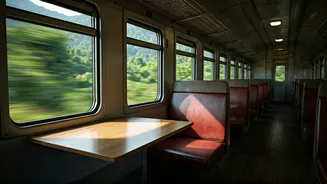
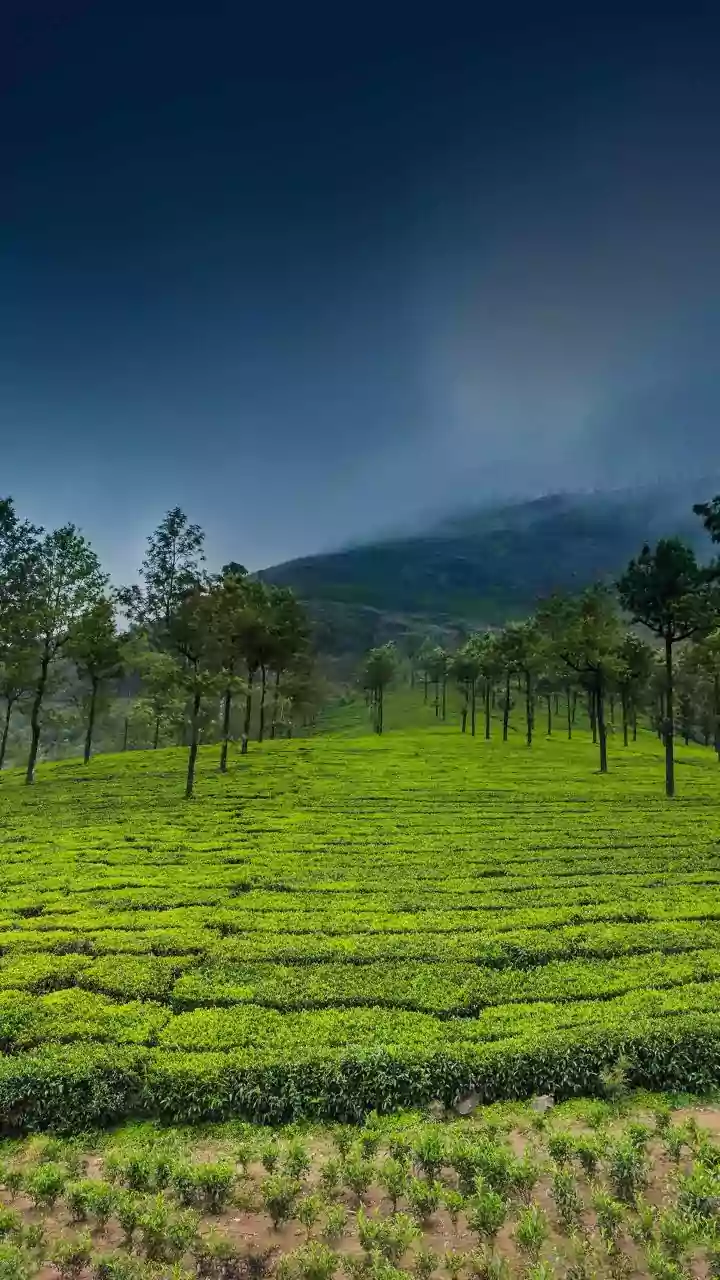
The environmental argument is compelling, but the true magic of train travel lies in the experience itself. A flight is a sterile tube that teleports you between two points, showing you nothing but clouds. A train, however, makes the journey part of the adventure. It’s a rolling window onto the soul of a country. You’ll watch bustling cityscapes melt into emerald green rice paddies, sleepy villages, and dramatic mountain ranges. You'll share snacks with local families, wave at children playing by the tracks, and witness daily life unfold at a human pace. This is 'slow travel' at its best—a chance to decompress, reflect, and connect with the landscape in a way that is simply impossible from 30,000 feet.
Iconic Routes to Get You Started
Ready to trade your boarding pass for a train ticket? Southeast Asia is laced with unforgettable rail journeys. In Thailand, the overnight sleeper from Bangkok to Chiang Mai is a rite of passage, where you can fall asleep to the gentle rock of the train and wake up to misty northern mountains. For an epic adventure, Vietnam's Reunification Express connects Hanoi and Ho Chi Minh City on a 30+ hour journey along the country’s stunning coastline. In Malaysia, you can choose between the modern, efficient ETS (Electric Train Service) linking major west-coast cities or venture into the interior on the famed 'Jungle Railway' for a rustic, off-the-beaten-path experience. These routes are not just transport; they are destinations in themselves.
Practical Tips for Planning Your Trip
Booking train travel in Southeast Asia is easier than ever. Websites like 12Go Asia and Baolau have simplified the process, allowing you to compare routes, times, and classes, and book online in English. For longer journeys, always opt for a sleeper berth if available; they come in first and second-class options and offer a comfortable way to travel overnight, saving you time and the cost of a hotel room. Pack light, but bring snacks, a water bottle, a portable charger, and a good book. Most importantly, adjust your mindset. Delays can happen. The pace is slower. Embrace it. The point isn't just to arrive, but to enjoy the ride.