









The New Definition of Pet Parent
The way Indians relate to pets is undergoing a profound transformation. Once seen as companions or guard dogs, animals are now integral family members, with owners proudly calling themselves 'pet parents'. This emotional shift, accelerated by the pandemic's
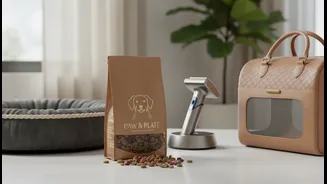
search for companionship, is fuelling a massive industry. India's pet care market was valued at over ₹30,000 crore in 2024 and is projected to grow nearly sevenfold by 2032. This isn't just about basic necessities; it’s about human-grade meals, orthopaedic beds, and high-tech toys. For many urban millennials and Gen Z, pets are their first 'children', receiving the emotional and financial investment once reserved for human kids. This has led to a surge in spending on everything from advanced healthcare to birthday parties complete with custom cakes.
The Pitfalls of Puppy-Eyed Purchases
The excitement of bringing a pet home can be intoxicating, but it often masks the true, long-term financial commitment. First-time owners are particularly vulnerable to emotion-led spending. The initial joy leads to impulse buys, from expensive accessories to the priciest food brands, without a clear understanding of what the pet actually needs. The reality is that the cost of ownership extends far beyond the adoption fee. Monthly expenses for a single dog can range from a modest ₹3,000 to a premium of ₹15,000 or more, with food being the single largest recurring cost. Many new owners are unprepared for the non-negotiable costs of veterinary care, which includes not just annual vaccinations but also potential emergencies that can run into tens of thousands of rupees. This lack of financial preparedness is a significant challenge, especially when faced with a market designed to trigger emotional, rather than practical, purchasing decisions.
Premium Products: An Upgrade or an Upsell?
The premium market presents a confusing landscape. On one hand, there are genuinely beneficial products. High-quality, premium pet foods often use real meat instead of fillers, which can lead to better digestion, a healthier coat, and stronger immunity. On the other hand, many products are driven more by marketing than by science. Imported brands, for instance, are often perceived as superior but come at a significantly higher price, even as Indian companies are now producing competitive, human-grade options. The key for a pet parent is to learn to distinguish between a meaningful upgrade and a clever upsell. A veterinary-recommended diet for a specific health issue is a wise investment; a designer collar is a splurge. The challenge is that for many first-time owners, who account for a huge portion of the market, this knowledge is lacking, making them susceptible to spending on non-essentials while potentially neglecting foundational needs.
Smarter Spending for a Lifetime of Wags
The premium pet economy can, in fact, help owners prepare for long-term care if they focus on strategic investments over emotional splurges. The most critical of these is pet insurance. While adoption is still low in India, it is a crucial tool for managing the high and often unpredictable costs of veterinary care. A good policy can prevent a pet parent from having to make heartbreaking decisions based on finances. Rather than spending thousands on accessories, a smarter use of funds would be to invest in professional training and socialization. This is not a luxury; it builds communication and prevents behavioural issues that can become costly and stressful problems later. Similarly, prioritizing preventive healthcare, like regular check-ups, dental care, and parasite prevention, is a hallmark of responsible ownership that saves money and ensures a better quality of life for the pet in the long run.