




The Right Time and Plant
The journey to homegrown strawberries in India begins in autumn. Planting between September and November is ideal for most plains and plateau regions like Pune and Bengaluru. This timing allows the plants to establish themselves before the cool winter
weather arrives, which is crucial for flowering and fruiting. Instead of starting from seeds, which can be slow and unreliable, purchase healthy runners or young plants from a nursery. Look for plants with firm crowns, vibrant green leaves, and healthy white roots. For container gardening, everbearing or day-neutral varieties are excellent choices as they produce fruit over a longer season. Varieties like Sweet Charlie, Chandler, and Winter Dawn have shown good results in Indian conditions.
A Perfect Home in a Pot
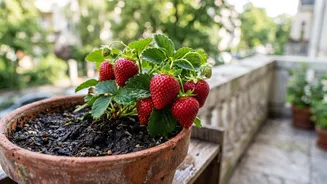
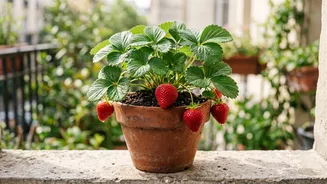
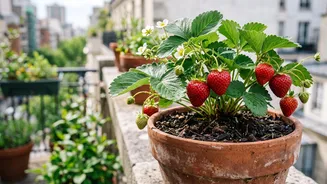
Strawberries have shallow roots, making them perfectly suited for pots. Choose a container that is wide rather than overly deep; a pot that is at least 10-12 inches wide and 8 inches deep is a great start. This size can comfortably house two to three plants. Ensure any container you use has plenty of drainage holes. Strawberries despise 'wet feet', and waterlogged soil can quickly lead to root rot. Terracotta pots are a good option as they breathe and stay cooler, though lightweight plastic pots are easier to manage on a balcony. Hanging baskets are another fantastic choice, especially for varieties that produce trailing runners.
The Ideal Soil Foundation
The secret to happy potted strawberries lies in a light, well-draining soil mix. Heavy garden soil will compact in pots and retain too much water, so it's best to create a custom blend. A successful and simple recipe for Indian gardeners is a mix of equal parts good quality garden soil, compost (like vermicompost), and cocopeat. The compost provides essential nutrients, while the cocopeat helps retain moisture without becoming waterlogged. Adding a handful of sand or perlite can further improve drainage. When planting, be mindful of the crown—the part where the leaves emerge from the roots. It should sit exactly at soil level, not buried beneath it or exposed above it, to prevent rot or drying out.
Winter Care: Sun and Water
To produce sweet, flavourful berries, your plants need at least six to eight hours of direct sunlight each day. A south-facing balcony is often ideal during the winter months. Containers dry out much faster than garden beds, so consistent watering is key. Check the soil every day or two by touching the top inch; if it feels dry, it's time to water. Water the soil directly and avoid soaking the leaves and crown, as this can encourage fungal diseases. Mulching the soil surface with a layer of straw or dried leaves is highly recommended. This simple step keeps the developing berries clean, retains soil moisture, and suppresses weeds.
Encouraging a Bountiful Harvest
While many strawberry flowers are self-pollinating, you can significantly improve your harvest with a little help, especially on a balcony with low bee activity. Once the flowers open, you can hand-pollinate them by gently swirling a small, soft paintbrush or a cotton bud inside each flower. Do this every couple of days to transfer pollen effectively. As your plants grow, they will send out 'runners'—long stems that try to create new plants. For the best fruit production, it's wise to snip off most of these runners so the plant directs its energy into making berries instead of baby plants. Once the plants start flowering, feed them every two to three weeks with a balanced liquid organic fertiliser, avoiding high-nitrogen formulas which encourage more leaves than fruit.
Troubleshooting Common Issues
Even with the best care, you might face some challenges. Yellowing leaves are often a sign of overwatering, so ensure your pots have excellent drainage. If your plants look lush and green but aren't producing many flowers, you may be using a fertiliser with too much nitrogen. Pests like birds may take an interest once your berries start to ripen; a simple net can protect your precious crop. If you notice misshapen fruit, it's often a sign of incomplete pollination, reinforcing the importance of hand-pollinating if you don't see many insect visitors.