


What is Palm Jaggery?
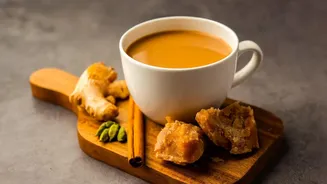
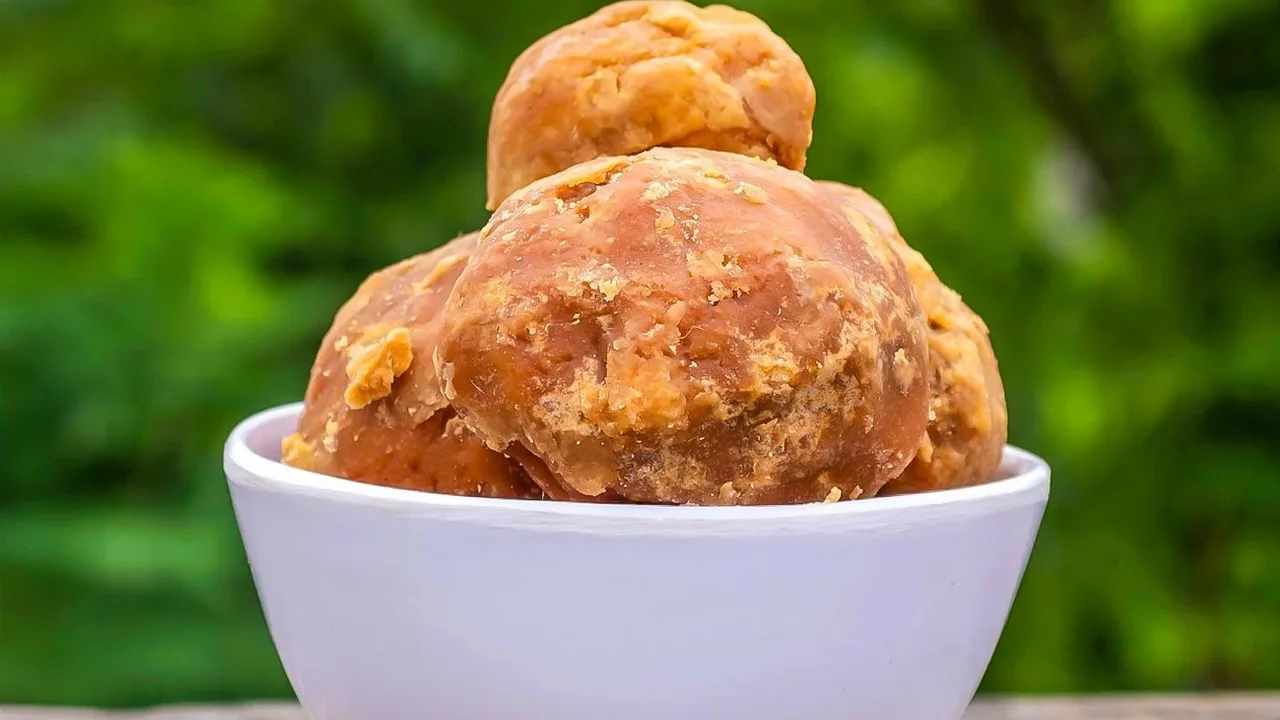
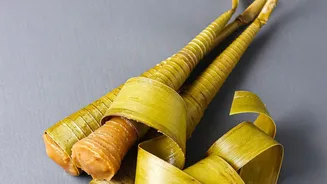
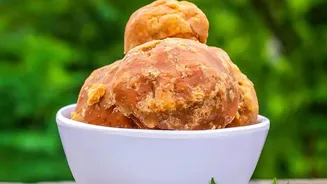
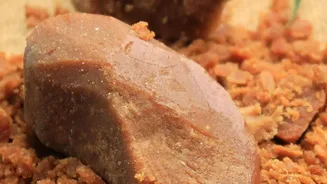
Palm jaggery, known regionally as 'Karupatti' or 'Nolen Gur', is an unrefined natural sweetener made from the sap of palm trees like the palmyra or date palm. Unlike refined white sugar, which comes from sugarcane and undergoes intense chemical processing,
palm jaggery production is simple and traditional. The collected sap is boiled in large vats until it thickens and solidifies, a process that preserves many of its natural nutrients. This minimal processing is key to its growing reputation as a healthier alternative, free from the chemical agents and bleaching involved in making white sugar.
The Nutritional Edge Over Refined Sugar
Refined sugar is often described as providing 'empty calories' because it is stripped of all nutrients during processing, leaving behind pure sucrose. Palm jaggery, by contrast, retains a host of beneficial minerals. It is a notable source of iron, potassium, and magnesium, and also contains trace amounts of B vitamins and calcium. One of its most significant advantages is its lower glycemic index (GI). While white sugar has a GI of around 60-65, palm jaggery's GI is estimated to be much lower, around 35-45. This means it releases sugar into the bloodstream more slowly, helping to prevent the sharp spikes and subsequent crashes in energy associated with high-GI foods.
A Richer, More Complex Flavour
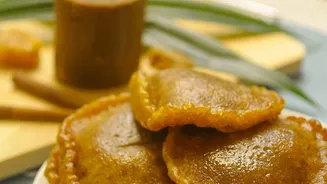
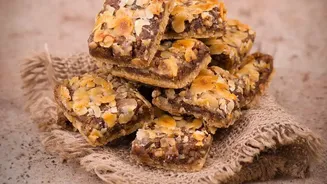
Swapping to palm jaggery is not just a nutritional upgrade; it's a culinary one. It boasts a complex flavour profile that white sugar lacks, with rich, earthy notes of caramel, toffee, and even a hint of smokiness. This depth can elevate the taste of your desserts, adding a new dimension to everything from cakes and cookies to traditional Indian sweets like payasam and laddus. The flavour can vary slightly depending on the type of palm tree the sap was harvested from, but it consistently offers more character than one-note sweetness.
A Practical Guide to Baking with Palm Jaggery
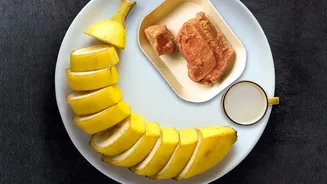
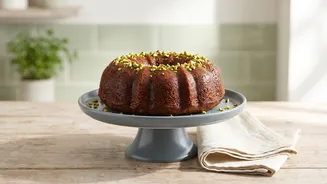
Making the switch in your kitchen is straightforward. For most recipes, you can substitute palm jaggery for sugar in a 1:1 ratio, though some bakers suggest using slightly more jaggery as it can be less sweet. Since it often comes in solid blocks, you will need to grate or chop it first, or you can purchase it in powdered or granulated form for easier use. When substituting, you may also need to slightly reduce the liquid in your recipe. Jaggery can also be melted with a small amount of water to form a syrup before being added to batters, which is a common technique for preparing muffins and cakes. It works particularly well in dense, moist bakes like brownies, fruitcakes, and banana bread, where its rich flavour is a natural fit.
How to Choose High-Quality Palm Jaggery
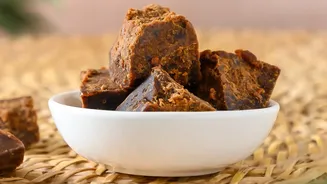
When shopping for palm jaggery, quality is key to ensuring you get the full flavour and nutritional benefits. Look for products that are certified organic to ensure they are free from harmful chemicals. Pure, unadulterated palm jaggery typically has a dark brown colour; lighter shades might indicate mixing with other sugars or even chemical bleaching. The texture should be firm but can be slightly coarse, and it should have a rich, earthy aroma. Avoid products that taste overly salty, as this can be a sign of improper processing or age. Choosing a reputable brand that is transparent about its sourcing and traditional production methods is always a good practice.