


The Real Cost of Throwing Away Textiles
Before you toss that faded t-shirt or old bedsheet, consider this: the global fashion and textile industry is a massive contributor to pollution. Every year, an estimated 92 million tons of textile waste are generated, with a significant portion ending
up in landfills. In fact, the industry is responsible for about 10% of global carbon emissions and is a huge consumer of water. It takes around 2,700 litres of water just to produce the cotton for a single t-shirt. When these items are thrown away, they don't just disappear. Synthetic fibres can take up to 200 years to decompose, releasing harmful chemicals into the soil and groundwater along the way. By choosing to upcycle, you directly combat this cycle of waste.
Upcycling vs. Recycling: What's the Difference?
While both are great for the planet, upcycling and recycling are not the same. Recycling breaks down materials to create something new, often of lesser quality, through an industrial process that consumes energy. Upcycling, on the other hand, is a creative act of transformation. It takes an existing item and, without breaking it down, reimagines it into something of higher value. Think of it as giving old fabric a promotion rather than just a new job. This approach not only saves energy but also preserves the history and character of the original material, resulting in one-of-a-kind pieces for your home.
Hack 1: No-Sew Cushion Covers
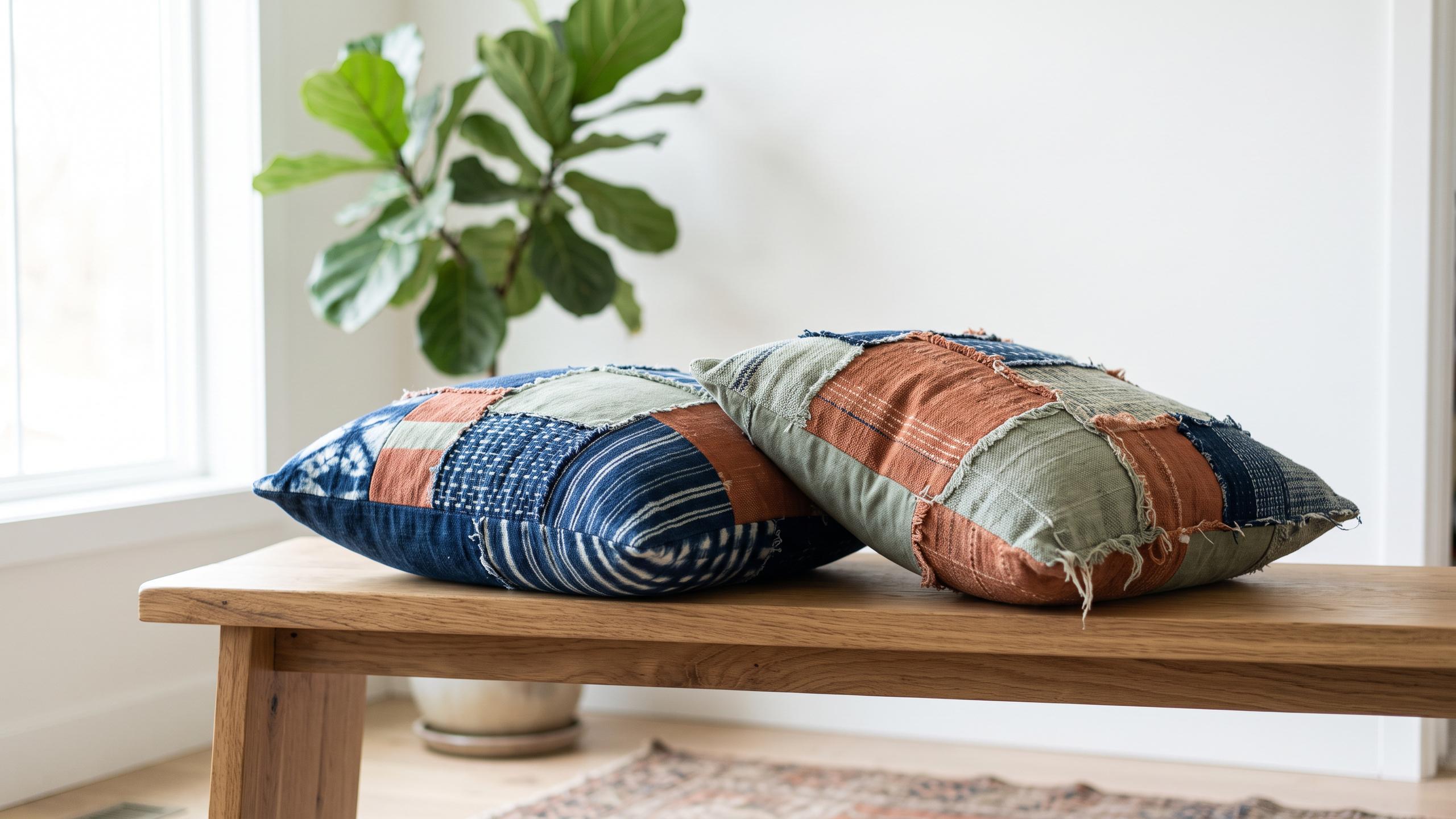
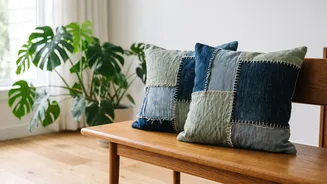
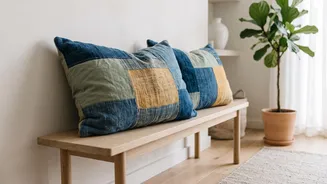
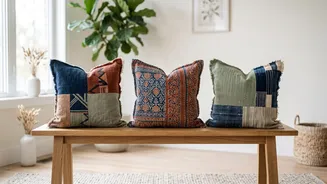
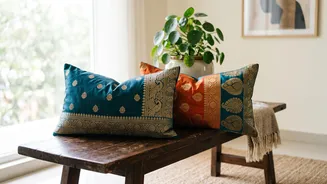
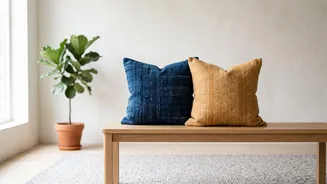
One of the easiest ways to refresh your living room is by changing your cushion covers. You don’t need a sewing machine—or even a needle and thread—to achieve this. Old sweaters, flannel shirts, or even thick curtains can be transformed into cozy and stylish covers. Simply lay your fabric flat, place the cushion in the center, and wrap it like a present. You can secure the back with safety pins, fabric glue, or by artfully tying the ends together. This is a perfect project for beginners and delivers an instant pop of new colour or texture to your sofa.
Hack 2: Create a Braided or Woven Rag Rug
A handmade rug can become the focal point of your living room, and creating one from old t-shirts, bedsheets, or jeans is deeply satisfying. Start by cutting your fabric into long, even strips. For a braided rug, you'll group three strips, braid them together, and then coil and stitch the long braid into a circular or oval shape. For a woven rug, you can build a simple loom from a sturdy picture frame or piece of wood and weave the fabric strips over and under the warp threads. The result is a durable, colourful rug that adds warmth and personality to your floor, all from materials that would have otherwise been discarded.
Hack 3: Unique Textile Wall Art
Turn a piece of fabric with a beautiful pattern or sentimental value into a work of art. If you have a fabric scrap with a striking design—perhaps from an old scarf or a vintage dress—simply stretching it over a blank canvas or placing it in an elegant picture frame can create a stunning visual piece. You can group several smaller framed fabrics to create an eye-catching gallery wall. This approach allows you to preserve the beauty of textiles that might be too worn or small for other uses, giving them a new life as a unique decorative feature steeped in history.
Hack 4: Revamp Lampshades and Storage Baskets
Don't stop at the big items. Smaller details can also benefit from a textile refresh. A plain, boring lampshade can be instantly elevated by wrapping it in fabric. Use hot glue to carefully attach strips of fabric or a single piece with a bold print. Old sweaters or textured materials work particularly well for adding a cozy feel. Similarly, you can give drab storage baskets a makeover by weaving strips of colourful fabric through the existing structure or by wrapping the entire basket in fabric for a softer, more integrated look. These small touches help tie a room together and showcase your creative, sustainable style.