





The Rule Explained
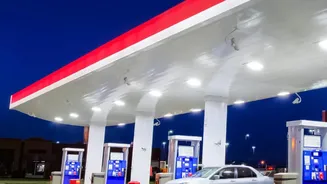
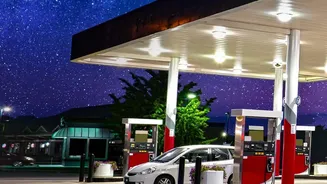
The 'No PUC, No Fuel' policy is a directive that prohibits petrol, diesel, and CNG stations from selling fuel to any vehicle that does not have a valid Pollution Under Control (PUC) certificate. Initially introduced in Delhi, this rule is now being strictly
enforced and expanded across the entire NCR, including districts in Haryana, Uttar Pradesh, and Rajasthan, starting from October 1, 2026. The measure is a part of the broader Graded Response Action Plan (GRAP) and instructions from the Commission for Air Quality Management (CAQM) to tackle the severe pollution levels that plague the region, especially during winter. Vehicle owners who fail to produce a valid certificate will be denied fuel and could face a hefty fine of up to ₹10,000 under the Motor Vehicles Act.
The Rationale: A Desperate Fight Against Smog
The primary reason for this stringent measure is the alarming rise in air pollution in Delhi-NCR every year. Vehicular emissions are a significant contributor to the toxic smog, accounting for a substantial portion of PM2.5 particles. According to government officials, making PUC certification a prerequisite for fuel is a way to ensure that all vehicles on the road comply with emission standards. The policy shifts the responsibility of compliance directly onto the vehicle owner. By turning thousands of fuel stations into enforcement points, the government aims to catch polluting vehicles that might otherwise evade periodic checks by traffic police. The goal is to compel a vast number of vehicle owners to get their emission levels tested, ensuring that vehicles are either maintained properly or taken off the roads if they are major polluters.
How PUC and the New System Work
A PUC certificate is a mandatory document that certifies a vehicle's emissions are within legally prescribed limits. For new cars, a certificate is provided by the dealer and is valid for one year. After that, it needs to be renewed periodically. To get a certificate, you must take your vehicle to an authorised testing centre, many of which are located at petrol pumps. A probe is inserted into the exhaust pipe to measure pollutants like carbon monoxide and hydrocarbons. If the levels are within limits, a certificate is issued. To enforce the 'No PUC, No Fuel' rule, many fuel stations across NCR are being equipped with Automatic Number Plate Recognition (ANPR) cameras. These cameras will scan a vehicle's number plate, check its PUC status against a central online database (Parivahan), and automatically prevent the fuel pump from dispensing fuel if the certificate is invalid or expired. Until all pumps have ANPR, staff will manually verify certificates.
Roadblocks and Public Reaction
The implementation of this rule has not been without challenges. The initial rollout has led to long queues at both fuel stations and PUC testing centres, as many vehicle owners rushed to get their certificates renewed. Petrol pump dealers have also raised concerns, pointing to potential law-and-order situations when fuel is denied to customers. They argue that their staff are not trained enforcement agents and have requested legal protection and security to handle potential disputes. Furthermore, some experts question the effectiveness of the PUC system itself. They argue that the standard idle test doesn't always reflect real-world emissions, particularly for pollutants like nitrogen oxides. There have also been past instances of fraudulent certificates and testing centres passing vehicles that exceed emission limits, raising questions about the reliability of the system this entire policy depends on.