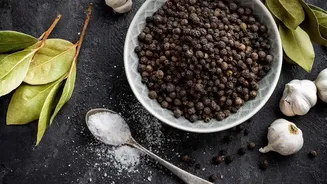





Kali Mirch, the king of spices, is a staple in every Indian kitchen. But its high value makes it a target for adulteration. How can you be sure the peppercorns in your masala dabba are pure? Here are simple, effective household methods to check.
The Problem of Pepper Adulteration
Black
pepper's popularity and price make it a prime candidate for food fraud. Unscrupulous sellers often mix whole peppercorns with cheaper, look-alike substances to increase weight and profit margins. The most common adulterants are dried papaya seeds, which bear a striking resemblance to peppercorns. Other fillers include 'light berries', which are immature peppercorns with little to no flavour, and even sawdust in powdered pepper. Some peppercorns are also coated with mineral oil to give them an appealing but artificial shine. These additions not only cheat you out of the flavour and health benefits of genuine pepper but can also pose health risks, from digestive issues to more serious problems caused by contaminants.
The Simple Water Float Test
The easiest and most reliable home test, recommended by the Food Safety and Standards Authority of India (FSSAI), is the water test. Fill a clear glass with plain water. Add a spoonful of your whole black peppercorns and stir gently. Now, wait and watch. Pure, dense black peppercorns will sink to the bottom of the glass. Adulterants like papaya seeds and hollow or light berries are less dense and will float on the surface. If you see a significant number of 'berries' floating, your pepper is likely adulterated. This single test is a powerful first step in verifying quality.
A Closer Look: Visual and Texture Check
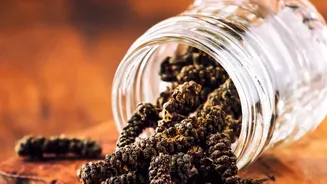
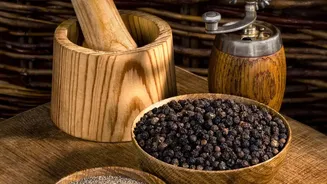
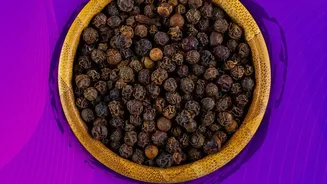
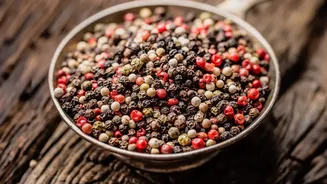
Your senses of sight and touch are excellent tools for detection. Spread some peppercorns on a flat surface. Genuine black pepper is typically a dark brown-black sphere with a distinctly wrinkled surface. Papaya seeds, in contrast, are often more oval or shrunken, with a smoother texture and a greenish-brown or blackish hue. You can also perform a press test. Take a single peppercorn and press it firmly with your finger or thumbnail. A mature, high-quality peppercorn is hard and will resist breaking. An adulterant like a papaya seed or a poor-quality light berry will crush much more easily.
The Unmistakable Aroma and Shine
Pure black pepper has a strong, sharp, and pungent aroma that is instantly recognisable. Crush a few peppercorns between your palms and smell them. The scent should be potent and characteristic of pepper. If the aroma is faint, dull, or non-existent, the quality is questionable. Another red flag is an unnatural gloss. While a slight sheen can be natural, some sellers coat peppercorns with mineral oil to enhance their appearance. If the pepper looks excessively shiny or feels greasy, be cautious. A strong whiff of the peppercorns might even reveal a faint, kerosene-like smell, a tell-tale sign of a mineral oil coating.
Smart Shopping for Pure Spices
Ultimately, prevention is better than detection. While these tests are effective for screening, your first line of defence is buying smart. Whenever possible, choose whole peppercorns over pre-ground powder, as powders are much easier to adulterate with fillers like sawdust or bran. Purchase your spices from reputable brands and trusted vendors. Always check the packaging for an FSSAI licence number and a clear manufacturing and expiry date. Be wary of prices that seem too good to be true and products with overly vibrant or unnaturally uniform appearances. A little vigilance at the point of purchase can save you a lot of trouble in the kitchen.