

The Hunt for Dark Skies
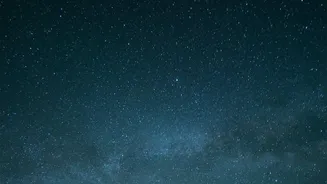
The quest for a perfect stargazing spot is primarily a battle against two things: air pollution and light pollution. Air pollutants like dust and smog scatter artificial light, creating a bright haze that washes out all but the brightest stars. Light
pollution from cities can be seen from hundreds of kilometres away, making true darkness a rare commodity. To find the best viewing spots, you need to get away from urban centres. High-altitude locations are often ideal because the thinner, drier air provides greater clarity. A quick check of a location's Air Quality Index (AQI) and a light pollution map online can be invaluable tools in your search. The goal is to find a spot with clear air and minimal artificial glow on the horizon.
Ladakh: India's Premier Celestial Theatre
For the ultimate stargazing experience, Ladakh is unparalleled. Its high altitude, dry climate, and sparse population create some of the darkest skies in the country. The jewel in its crown is the Hanle Dark Sky Reserve, India's first such designated area, located in the Changthang region. Officially protected from light pollution, Hanle offers breathtaking views of the Milky Way, distant galaxies, and, of course, meteor showers. Local villagers are even trained as astronomy ambassadors to guide visitors. While Hanle is the best, other areas like Nubra Valley and Pangong Tso also provide exceptional, clear nights for watching the cosmos. Given its location in a rain shadow area, Ladakh is also one of the most reliable places to view August's Perseid meteor shower, which often coincides with monsoons elsewhere in India.
Spiti Valley: High-Altitude Himalayan Wonder
Like Ladakh, the Spiti Valley in Himachal Pradesh is a high-altitude cold desert that offers incredible stargazing opportunities. With villages like Kibber and Komic situated at over 14,000 feet, you are far above the haze and city lights that plague lower regions. The region's rugged, lunar-like landscape adds to the otherworldly experience of watching a meteor shower. Due to its remote nature and lack of industrialisation, the skies here are pristine. Its accessibility during the summer months aligns perfectly with major celestial events like the Perseids. It's a favourite among astrophotographers and travellers seeking a raw connection with the night sky.
Deserts and Ghats: Other Prime Locations
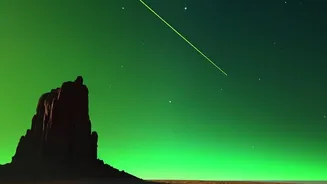
You don't have to travel to the Himalayas for a great view. The vast, empty expanses of the Rann of Kutch in Gujarat and the Thar Desert near Jaisalmer, Rajasthan, offer dark, open skies with minimal light pollution. The flat horizon provides an unobstructed 360-degree view, perfect for catching meteors as they streak across the sky. In South India, the hills of Coorg in Karnataka, part of the Western Ghats, are a popular choice. While the monsoon can be a factor, finding a clear night here during the drier seasons rewards you with beautiful celestial sights from its coffee plantations and elevated viewpoints. Similarly, parts of the Kumaon region in Uttarakhand, like Kausani and Mukteshwar, offer accessible mountain getaways with clear skies.
Planning Your Viewing for Success
Finding the spot is only half the battle. To ensure the best meteor shower experience, timing and preparation are key. Plan your trip around a new moon; the absence of moonlight makes the sky significantly darker, allowing fainter meteors to become visible. The peak of a shower, like the Perseids around August 12-13, is best viewed between midnight and the pre-dawn hours. You don't need a telescope, as meteors are best seen with the naked eye, covering a wide field of view. Most importantly, give your eyes 20-30 minutes to fully adapt to the darkness—this means putting away your phone. A reclining chair or a blanket will make for a more comfortable viewing session as you lie back and watch the show.