




The Problem with ‘Sleeper’ Bacteria
One of the biggest challenges in medicine is not just antibiotic resistance, but a related issue involving 'persister' cells. These are a small fraction of bacteria within an infection that are not genetically resistant but enter a dormant, hibernating
state. Because most antibiotics work by targeting active processes like cell wall construction or protein synthesis, they are ineffective against these 'sleeping' bacteria. Once the course of antibiotics is finished, these persisters can 'wake up' and cause the infection to return, leading to chronic and recurring illnesses like urinary tract infections or certain staph infections.
Waking Bacteria with a Sugar Jolt
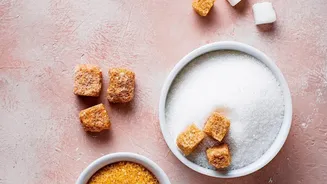
This is where the surprising sugar hypothesis comes in. A few years ago, researchers proposed a counterintuitive idea: what if you could use sugar to wake up these persister cells? The theory was that a dose of sugar could kickstart the dormant bacteria's metabolism. Once active and running, they would become vulnerable to antibiotics that were previously unable to touch them. In lab studies, this approach showed remarkable promise. Researchers found that adding sugar to certain antibiotics could eliminate 99.9% of persister cultures of E. coli and staphylococcus in just a few hours.
The Other Side: Sugar’s Negative Impact
While waking up dormant bacteria is one piece of the puzzle, recent and compelling evidence paints a much darker picture of sugar's role during antibiotic therapy. A major study published in late September 2026 found that consuming sugary foods and drinks while taking antibiotics could seriously harm the gut microbiome. Researchers who tracked thousands of meals consumed by hospitalised patients found that high sugar intake was linked to a significant loss of microbial diversity in the gut. For every 100-gram increase in sugar, bacterial diversity dropped by as much as 24%. This creates a dangerous void that can be filled by harmful microbes.
Feeding the Wrong Crowd
The 2026 study specifically found that the combination of sugar and antibiotics led to a bloom in a particularly troublesome species: Enterococcus. This bacterium is linked to hard-to-treat infections, especially in vulnerable hospital patients. In essence, while antibiotics wipe out both good and bad bacteria, the sugar provides a ready fuel source for the opportunistic survivors, allowing them to take over. This finding suggests that for the average person, consuming sweets, sodas, or even high-sugar nutritional shakes while on antibiotics could be counterproductive, potentially making gut side effects worse and creating an environment where tougher bacteria thrive.
The Verdict for Now: Don't Eat Sugar with Antibiotics
So, should you reach for a sweet treat to boost your medication? The overwhelming consensus from recent evidence is a firm no. The idea of using sugar to awaken persister cells is a highly specific, lab-based concept being explored for future targeted therapies, not a DIY home remedy. These future treatments, known as antibiotic adjuvants, might one day mimic this effect without the broad downsides of consuming actual sugar. For now, the risks clearly outweigh any potential, unproven benefit. High sugar intake can suppress the immune system, cause inflammation, and, as new research shows, devastate the gut microbiome when combined with antibiotics. One of the lead researchers of the 2026 study noted that while it's premature to make a blanket recommendation for everyone, there's no harm in limiting sugar in your diet while on antibiotics.