
A Different Kind of Brew
When one thinks of Indian tea, the image that often comes to mind is a robust, milky, and spiced chai. While this beverage is a beloved staple across the country, the Himalayan foothills, particularly in regions like Uttarakhand, harbor a different philosophy
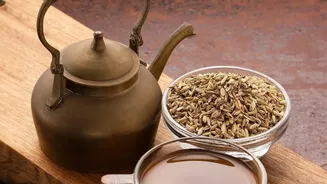
of tea. Here, the tradition leans towards 'kadas' or herbal concoctions, brewed purely with water and foraged ingredients. These aren't just beverages but are integral to the local way of life, consumed for warmth, wellness, and hospitality. This practice is rooted in Ayurveda and local medicinal knowledge, where the surrounding biodiversity serves as a natural pharmacy. These milk-free teas offer a direct taste of the terroir, reflecting the pure, untainted environment from which they originate.
The Mountain's Apothecary
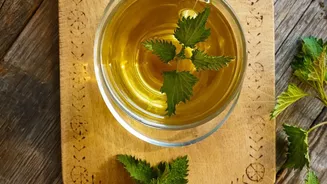
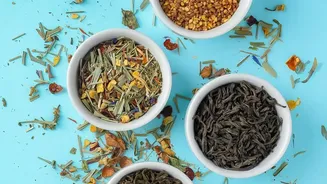
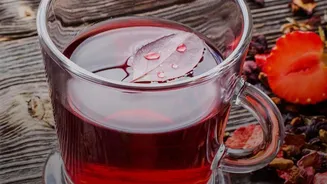
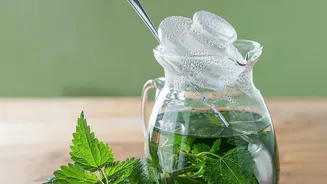
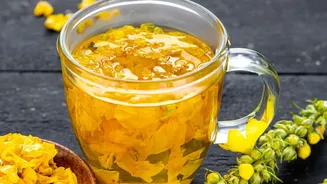
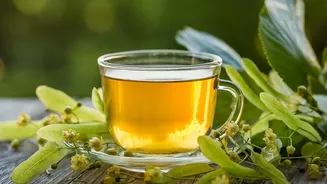
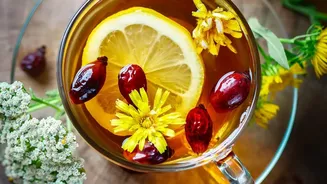
The ingredients for these herbal teas are hand-picked from the forests and meadows. One of the most cherished is the brilliant red flower of the Rhododendron tree, locally known as Buransh. Traditionally, Buransh tea is brewed by steeping the dried petals in hot water and is valued for its potential health benefits, including being rich in antioxidants. Another popular ingredient is Himalayan nettle, a plant that loses its sting once dried and brewed. Nettle tea, with its earthy and refreshing character, is a caffeine-free choice enjoyed for its nutrient content. Other commonly used botanicals include tulsi (holy basil), mint, ginger, and various local flowers and leaves, each adding its own unique flavour and traditional wellness properties to the brew.
The Art of Simple Infusion
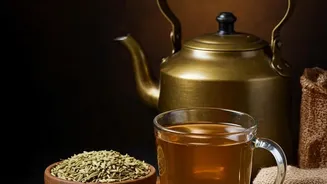
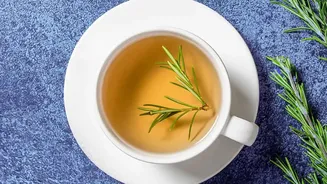
The process of crafting these teas is deceptively simple, honouring the integrity of the ingredients. The herbs or flowers are typically sun-dried, preserving their natural aromas and compounds. To prepare the tea, the dried botanicals are simply steeped in hot, but not boiling, water for several minutes. The aim is to gently release the flavours and beneficial properties without introducing bitterness. For example, to make Buransh tea, a few dried flowers are infused in hot water for about five to ten minutes. Similarly, dried nettle leaves are steeped for a comparable duration to produce a light, nourishing infusion. This minimalist approach ensures that the final cup is a pure expression of the plant itself, often enjoyed without any sweetener, though a touch of local honey or jaggery is sometimes added.
More Than a Beverage
In these remote communities, sharing a cup of herbal tea is a ritual of connection and care. It’s a warm welcome for a guest, a comforting remedy for a cold, and a daily ritual to start or end the day. The knowledge of which herbs to pick and how to prepare them is passed down through generations, forming a vital part of the region's cultural heritage. These teas represent a holistic way of living, where health and nature are intertwined. They serve as a reminder of a time when wellness was sourced directly from the earth. The practice of drinking these herbal infusions connects the people to their environment, grounding them in the rhythms of the seasons and the bounty of the landscape.