






Why Soggy Roots Are a Strawberry's Enemy
Strawberries have shallow root systems that are highly susceptible to problems. When soil stays waterlogged, it cuts off the oxygen supply to the roots. This creates the perfect environment for fungal diseases, most notably root rot. The initial signs
can be subtle: the plant might look less vigorous, have yellowing leaves, or produce smaller berries. If you were to check the roots, instead of healthy white ones, you might find dark, mushy, and decaying ones. Preventing this condition is far easier than trying to cure it, and it all starts before you even add water.
The Foundation: Pot and Soil Selection
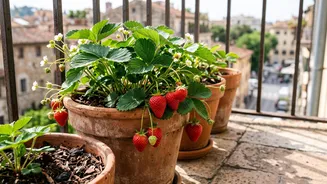
Your first line of defence against soggy roots is proper setup. Drainage is non-negotiable. Choose a pot that is at least 8 to 10 inches deep and 12 inches wide, ensuring it has multiple drainage holes at the bottom. While traditional terracotta pots breathe and keep roots cool, they also dry out faster. Plastic or glazed ceramic pots retain moisture better, which can be an advantage. Never use garden soil in pots, as it compacts easily, choking the roots and holding too much water. Instead, use a light, airy potting mix. A great DIY mix for Indian conditions combines equal parts good quality potting soil, compost (like vermicompost), and cocopeat for moisture retention, with a handful of sand or perlite to improve drainage.
The Golden Rules of Watering
Forget a strict schedule like 'water every two days'. The golden rule is to check the soil first. Stick your finger about an inch into the potting mix. If it feels dry at that depth, it's time to water. If it's still moist, wait another day. Pots dry out much faster than garden beds, so daily checks are essential, especially during hot or windy weather. When you do water, do it thoroughly in the morning. Pour water slowly at the base of the plant until it flows freely from the drainage holes. This ensures the entire root ball is hydrated. Crucially, do not let the pot sit in a saucer full of water, as this is a direct invitation for root rot.
Reading the Signs: Overwatering vs. Underwatering
Your plant will give you clues about its water needs. Yellowing leaves are a classic sign of overwatering and poor drainage. The plant might also look wilted despite the soil being wet, because the rotting roots can no longer absorb water. Conversely, if a plant is underwatered, the leaves will wilt, but the soil will be bone dry. The plant will look thirsty and stressed, and fruit size will be significantly reduced. Consistently moist soil—like a wrung-out sponge—is the goal. It's better to water deeply less often than to give small, frequent splashes that only wet the surface.
Special Care for Indian Conditions
In most parts of India, strawberries are a cool-season crop, planted in autumn. As temperatures rise, watering needs change. During hot spells, you may need to water daily. A south-facing balcony with at least six hours of sun is ideal during the cooler growing season, but some protection from the harsh afternoon sun in peak summer can prevent leaf scorch. A layer of mulch, such as straw or coco chips, on top of the soil is highly recommended. This practice helps retain soil moisture, keeps the roots cool, suppresses weeds, and keeps the developing fruits clean and off the damp soil, further reducing the risk of rot.