





The Problem with Prolonged Sitting
Our bodies are designed for movement, but the average office worker can spend over eight hours a day in a chair. This prolonged static posture has predictable consequences. Your body adapts to the position you hold most often. Sitting with bent legs can lead
to shortened and tight hip flexors, calves, and hamstrings. Hunching over a keyboard encourages a rounded upper back and tight chest muscles, contributing to poor posture and discomfort. Over time, these muscle imbalances can cause stiffness, chronic aches, and a limited range of motion, affecting everything from how you walk to your risk of injury.
How Foam Rolling Provides Relief
Foam rolling, also known as self-myofascial release, is a form of self-massage that helps release tension in muscles and the connective tissue that surrounds them, called fascia. When muscles are held in a contracted state for long periods, as they are when sitting, they can develop tight spots or 'knots'. Applying pressure with a foam roller helps to break up these adhesions, increase blood flow to the muscles, and reduce inflammation. Studies have shown that this practice can improve flexibility and range of motion, which is crucial for counteracting the stiffness caused by a sedentary job. A short, consistent routine can help undo the daily tightness that accumulates at a desk.
Choosing the Right Foam Roller
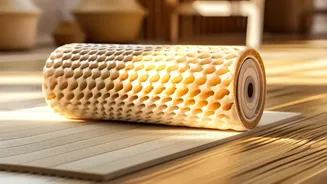
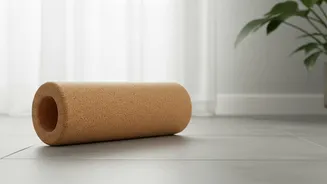
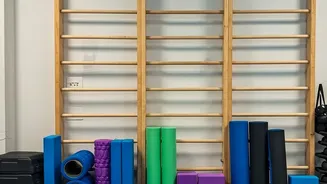
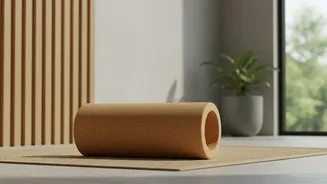
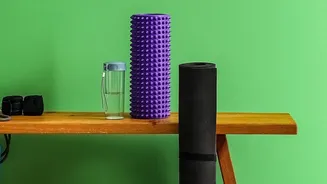
Stepping into the world of foam rollers can be confusing, but the most important factor for a beginner is density. Rollers are generally categorized as soft, medium, or firm. While it might be tempting to get the firmest roller for a 'deeper' massage, this can be a mistake for newcomers. Most experts recommend starting with a medium-density roller. These provide enough pressure to be effective without causing the excessive pain that can lead people to quit. Soft rollers are best for those who are highly sensitive to pain, while firm rollers are better suited for athletes and experienced users who need more intense pressure. A standard 36-inch roller is versatile for most full-body movements.
Key Moves to Counteract the Chair
A simple, five-to-ten-minute routine can make a significant difference. Focus on the areas most affected by sitting: the upper back, hips, and legs. Upper Back (Thoracic Spine): Lie on the floor with the foam roller under your mid-back, perpendicular to your spine. Support your head with your hands and lift your hips off the ground. Slowly roll up and down between your shoulder blades and your mid-back, avoiding your neck and lower back. This helps reverse the hunching posture from looking at a screen. Glutes and Hips: Sit on the foam roller with one ankle crossed over the opposite knee in a figure-four position. Gently lean into the hip of the crossed leg, rolling back and forth to release tension in the glutes, which can become inactive and tight from sitting. * Hamstrings and Calves: Sit with your legs extended and the roller placed under your hamstrings. Use your hands to support your weight and slowly roll from the base of your glutes to just above the back of your knees. To target your calves, move the roller down and roll from below the knee to above the ankle.
Tips for Effective and Safe Rolling
To get the most out of your routine, it is important to use the correct technique. Move slowly, about one inch per second. When you find a particularly tender spot or trigger point, pause on it for 20-30 seconds and breathe deeply to allow the muscle to release. One of the biggest mistakes is rolling directly onto your lower back, which can cause overextension and compress the spine. Instead, target the muscles surrounding the spine, like the glutes and upper back, which often contribute to lower back pain. Also, avoid rolling directly over joints, bones, or ligaments, as this can cause bruising or injury. The goal is a therapeutic pressure, not intense pain. If you feel sharp pain, ease off or stop.