




More Than Just Curry
The journey of Kerala's cuisine onto the world stage begins with its unique identity. Unlike the creamy, wheat-based dishes that often represent Indian food abroad, Kerala’s food is a lighter, brighter affair, deeply rooted in its coastal geography and
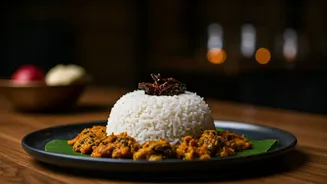
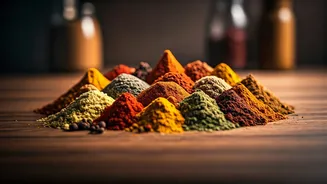
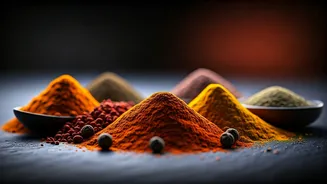
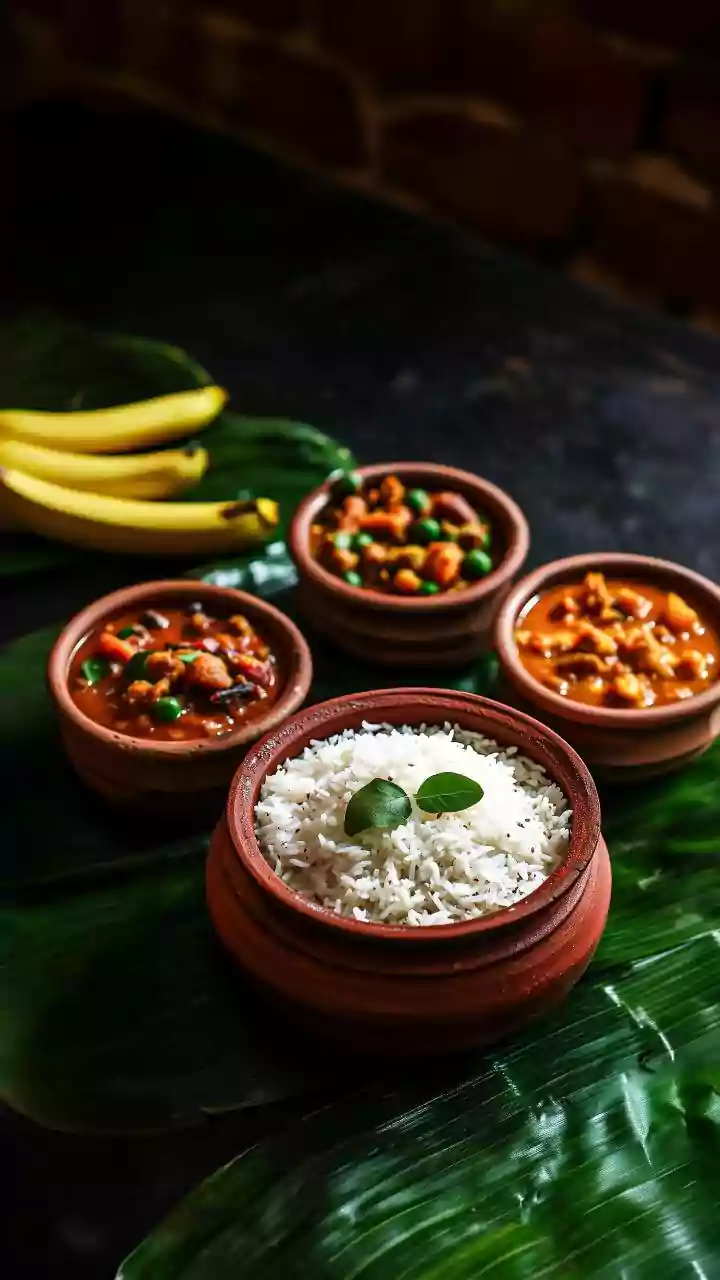
history as a spice hub. [4, 26] The cuisine is characterized by an abundance of rice, seafood, and coconut in all its forms—milk, oil, and grated flesh. [10] Spices are not just about heat; they are about fragrance and complexity, with curry leaves, mustard seeds, turmeric, and Malabar black pepper forming the cuisine’s backbone. [10, 22] This distinct profile offers a fresh perspective on Indian food, one that feels both authentic and excitingly new to international diners. [3]
The Diaspora's Culinary Ambassadors
The globalization of Kerala's food owes a tremendous debt to the Malayali diaspora. [11] For decades, as Keralites migrated to the Gulf countries, Europe, and North America, they carried their ancestral recipes with them. [18, 23] Initially cooking to satisfy a taste of home, they soon started opening restaurants. [11] These establishments, from family-run eateries in Dubai to fine-dining spots in London, became crucial entry points for the cuisine. [12, 13] Restaurants like Paragon, which started in Kozhikode in 1939 and now has revered branches in Dubai, have earned international accolades, placing them on lists of the world's most legendary dining spots. [12] Similarly, chefs like Suresh Pillai have championed authentic Kerala flavours in Michelin-starred kitchens in the UK, elevating the cuisine's status and introducing it to a discerning global audience. [13]
From Comfort Food to Fine Dining
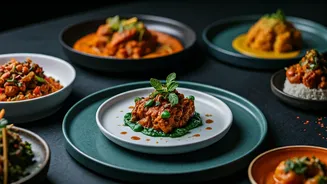
What was once comfort food is now being presented in modern, innovative formats. [4] International chefs, both of Indian origin and not, are experimenting with Kerala's flavours and techniques. [7] Dishes like *Karimeen Pollichathu* (pearl spot fish steamed in banana leaf) and *Appam* (a lacy rice pancake) are now found on the menus of high-end restaurants in cities like New York and London. [4, 7] This evolution shows that the cuisine is adaptable, capable of being presented as small plates, in fusion dishes, or as part of a contemporary tasting menu without losing its essential character. [4] This versatility is key to its growing appeal, bridging the gap between traditional home cooking and global fine dining. [3]
The Wellness and Vegan Wave
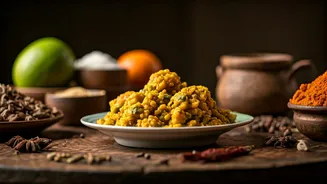
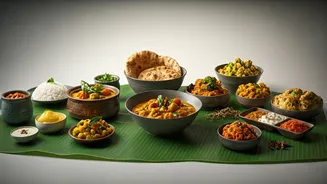
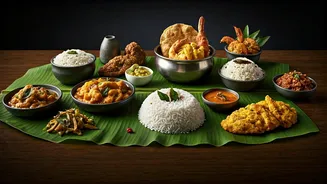
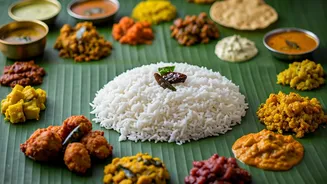
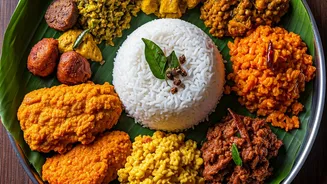
Modern global food trends have also played a significant role in Kerala cuisine's rise. The global emphasis on health, wellness, and plant-based diets aligns perfectly with what Kerala has offered for centuries. [11, 14] The cuisine is naturally rich in vegetables, lentils, and fermented foods. [6] The use of coconut oil, turmeric, and other spices with known health benefits resonates with a health-conscious audience. [6, 17] Dishes like *Avial* (vegetables in a coconut-yogurt gravy) and *Sadya*, a vegetarian feast served on a banana leaf, are naturally vegan-friendly and showcase a sophisticated approach to plant-based eating that feels both ancient and incredibly current. [14] The recent push by the Kerala government to promote jackfruit as a health food further taps into this global trend. [16]