






The Perishable Problem
In the regions surrounding Bengaluru, known for its vibrant floriculture, farming roses is both an art and a gamble. Once plucked, these beautiful but highly perishable flowers begin a race against time. High temperatures and a lack of immediate, affordable
cold storage have historically meant significant losses for small and marginal farmers. Post-harvest losses for flowers in India can be as high as 40%, a staggering figure that represents lost income and wasted effort. For many farmers, the inability to store their produce meant they were often forced into distress sales, accepting whatever low price they could get at the market before their flowers wilted. Traditional cold storage facilities were often too far away, too expensive, or both, leaving farmers vulnerable to the elements and market volatility.
A Sustainable Solution Shines
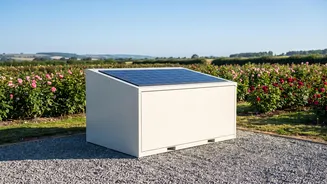
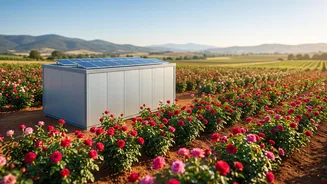
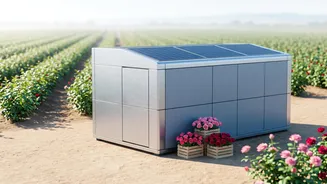
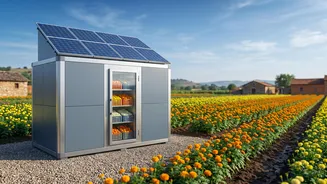
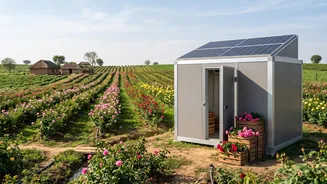
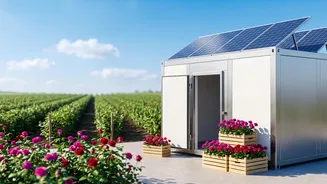
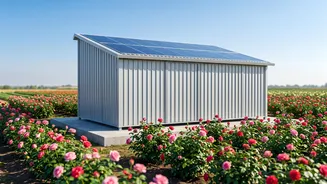
Enter the solar-powered refrigeration hub. These off-grid cold rooms are emerging as a game-changer for agricultural communities. Initiatives by organizations like The Energy and Resources Institute (TERI) have led to the establishment of these units in villages near Bengaluru. One such project in Sadali village, Chikkaballapura district, serves hundreds of farmers across several panchayats. These hubs work by using photovoltaic panels to generate electricity, which powers a refrigeration unit. Unlike older solar models that relied on batteries with high replacement costs, many newer systems use innovative thermal storage technology, which can keep the unit cool for over a day even without sun, making them reliable during cloudy or rainy weather. This technology provides a consistent, low-cost cooling solution right at the farm level, where it's needed most.
From Wilting to Winning
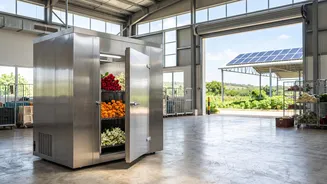
The impact has been immediate and profound. With access to reliable cold storage, farmers can now preserve their roses, along with other perishables like marigolds and vegetables, extending their shelf life significantly. This newfound ability to store produce gives them critical bargaining power. They are no longer at the mercy of daily price fluctuations and can wait for market rates to improve before selling. Farmer Producer Organisations (FPOs) often manage these community assets, charging a nominal fee for storage that is significantly lower than conventional facilities. For example, one FPO charges just ₹1 per kilogram for a five-day period, half the price of traditional grid-connected storage. This simple intervention drastically reduces spoilage and directly translates into higher, more stable incomes for farming families, with some reports indicating income increases of 25-35%.
Broader Blooms and a Greener Future
The benefits of this technology extend far beyond rose farming. These solar hubs are being used to store a wide variety of horticultural products, from fruits and vegetables to other flowers, enhancing food security and reducing overall agricultural waste. By providing a decentralized, clean energy solution, these projects empower rural communities, particularly women, who are often actively involved in their management. Furthermore, the model reduces reliance on expensive and polluting diesel generators, which were previously the only alternative for off-grid power. This contributes to India's sustainable development goals by promoting renewable energy, strengthening rural livelihoods, and cutting down on the carbon footprint associated with food waste.