



The Larder's Grand Return
Before refrigeration, the larder was an essential cool space for preserving perishable foods. While modern refrigerators have taken over that specific duty, the concept of a dedicated, centralised storage hub is resonating with homeowners once again.
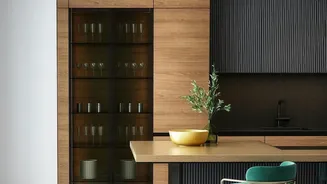
Designers point to a growing desire for kitchens that feel less clinical and more like lived-in, gathering spaces. This trend, coupled with a yearning for organisation and clutter-free counters, has paved the way for the larder's revival. Freestanding versions, in particular, offer a sense of character and softness that built-in cabinetry sometimes lacks. They function not just as storage but as beautiful pieces of furniture.
Freestanding vs. Fitted Storage
While integrated, walk-in pantries are a dream for some, they require significant space and renovation. The beauty of a freestanding larder lies in its flexibility. It can be added to an existing kitchen without a major remodel, placed in an unused corner, or even situated in an adjoining dining room or utility space. Unlike fitted units, a freestanding piece can move with you if you relocate, making it a more sustainable long-term investment. This adaptability allows homeowners to achieve a custom, 'unfitted' look that expresses personality, whether through a pop of colour or a vintage-style wood finish.
More Than Just a Cupboard
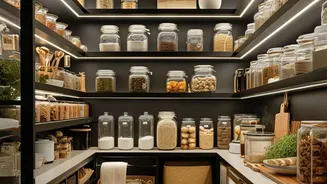
The primary benefit of a larder is its ability to centralise storage. Instead of hunting through multiple cupboards, all your dry goods—from spices and cereals to pasta and canned items—can be housed in one dedicated space. This zoning streamlines meal preparation and makes it easier to see what you have at a glance, which can help reduce food waste. Many modern larders are designed with a combination of deep shelves for bulk items, drawers for linens or utensils, and racks on the interior of the doors for spices and jars, maximising every inch of storage potential.
Choosing Your Perfect Larder
When selecting a freestanding larder, the first step is to assess your space and needs. Measure the available area, paying attention to height to maximise vertical storage. Consider what you plan to store. Will it hold small appliances, large bags of flour, or your extensive spice collection? Look for models with adjustable shelves, pull-out drawers, or integrated baskets to suit your specific requirements. The style should complement your existing kitchen, whether it's a sleek, modern unit painted to match the walls or a rustic wooden cabinet that serves as a statement piece.
Organising for Success
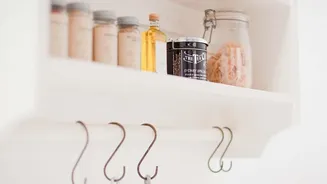
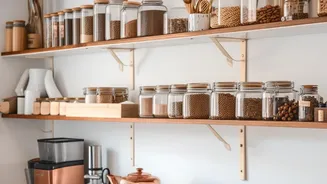
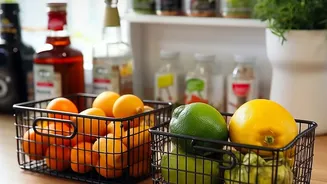
Once you have your larder, organisation is key to its long-term success. A few simple strategies can make a world of difference. Decant dry goods like rice, pasta, and cereal into clear, airtight containers. This not only keeps food fresher but also creates a tidy, uniform look. Use labels to easily identify contents. Group similar items together—baking supplies in one zone, breakfast items in another. For deeper shelves, consider using baskets or bins to corral smaller items and make them easy to pull out. This simple system ensures your larder remains a hub of order, not a cabinet of chaos.