
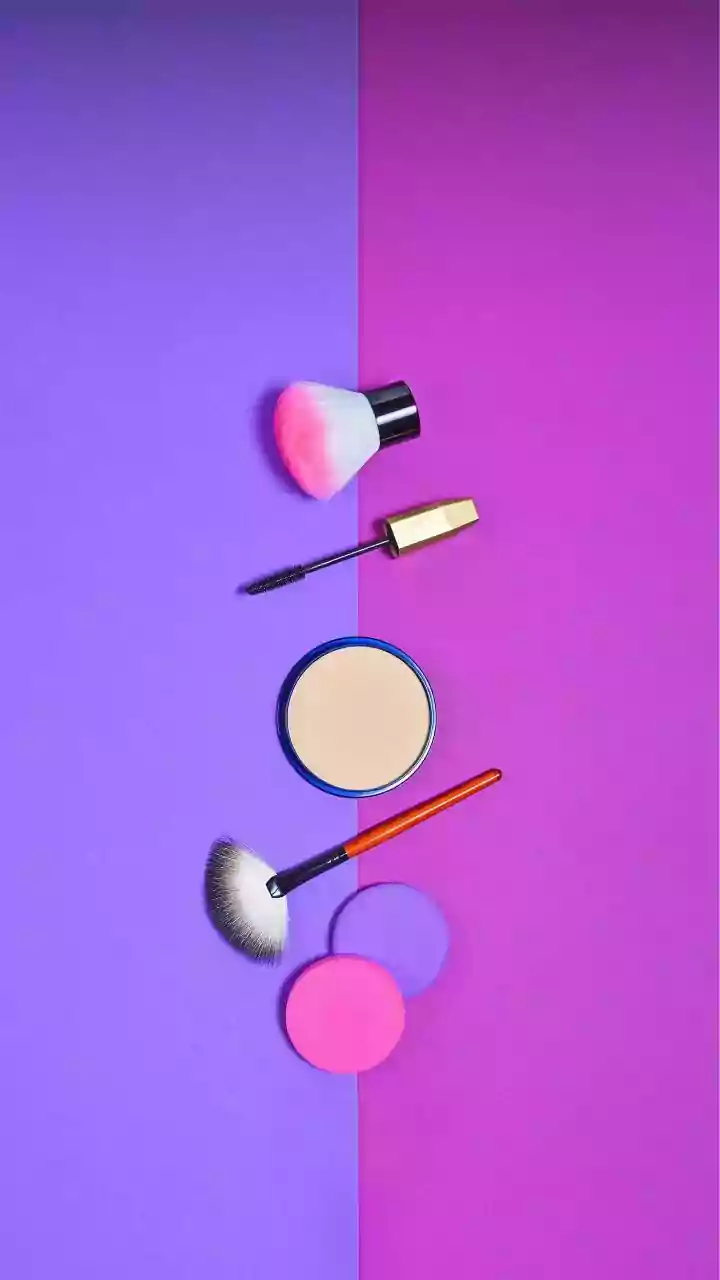



Remember the days of heavy contouring, multi-step baking, and bold, opaque lips? A major shift is underway as consumers increasingly favour a 'less is more' approach, championing the authentic beauty of their natural skin over a flawless mask.
The Rise of 'Skinimalism'
A new philosophy
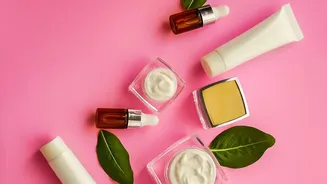
called 'skinimalism' is defining the beauty landscape. This trend signals a significant move away from complex, 10-step routines and heavy product layering. Instead, the focus is on achieving healthy, glowing skin that doesn't need to be hidden. Consumers are consciously simplifying their cosmetic bags, choosing fewer, but more effective, multi-purpose products. This isn't about neglecting beauty, but rather about embracing a more intentional and mindful approach. The goal is no longer to conceal imperfections but to enhance the skin's natural texture and radiance. This movement is a direct response to years of maximalist trends, reflecting a collective desire for authenticity in a world saturated with filters and digital perfection.
Skincare First, Makeup Second
At the heart of this minimalist wave is a fundamental change in priorities: health over concealment. Consumers are now more educated than ever, thanks to social media platforms where dermatologists and informed influencers break down ingredient lists and functions. This increased 'ingredient literacy' means shoppers are scrutinizing labels for parabens, sulfates, and other controversial chemicals, opting instead for formulations they understand and trust. The narrative has shifted from covering up skin issues to addressing their root causes. A survey shows that consumers now see a 'healthy glow' as a sign of holistic wellness, connecting good skin to mental and emotional well-being. As a result, the skincare category is booming, with many people viewing it as an essential investment in their overall health.
The 'No-Makeup Makeup' Paradox
While the trend celebrates natural beauty, achieving the 'no-makeup makeup' look can be surprisingly complex and costly. This aesthetic, which aims to look polished yet completely bare-faced, often involves just as many, if not more, specialised products than a traditional full-face look. The illusion of effortlessness frequently relies on a foundation of expensive serums, smoothing primers, and lightweight skin tints to create a perfect canvas. This paradox has led to discussions about new, more subtle beauty standards where users alter their appearance while claiming it's natural. It raises the question of whether this is true minimalism or simply a different kind of high-effort ideal, one that values an exclusive, 'I woke up like this' glow that can be just as demanding to attain.
How Brands are Responding
The beauty industry has been quick to adapt to this consumer-led shift. Brands are increasingly launching hybrid products that blur the lines between skincare and cosmetics. Think foundations infused with skin-barrier-supporting niacinamide, serums that offer a hint of tint, and cheek stains packed with hydrating peptides. This evolution is particularly evident in the Indian market, where a new wave of direct-to-consumer brands have built their identity on transparency and active ingredients, moving away from legacy claims about fragrance or packaging. Furthermore, the 'clean beauty' movement has become mainstream, with major retailers and brands collaborating to establish unified safety benchmarks and greater transparency around what's in our products.
Looking Ahead: Intentional Beauty
As we look forward, the trend is evolving from simple minimalism to what some are calling 'intelligent beauty'. The 'clean girl' aesthetic is making way for a balanced approach where a healthy, breathable complexion is the foundation for a single, expressive feature, like a bold lip or graphic liner. The focus is on intentionality—using makeup not to mask, but to express, all while prioritising the long term health of the skin. In India, Gen Z consumers are already showing a preference for holistic approaches, prioritising lifestyle changes like diet and sleep over products alone to manage skin concerns. This indicates that the future of beauty is integrated, where cosmetics, skincare, and overall wellness are inextricably linked.