




The Gaganyaan Mission: A Leap into Orbit
The primary goal of the Gaganyaan programme is to demonstrate India's capability for human spaceflight by launching a crew of three into a 400-kilometre orbit for a three-day mission and ensuring their safe return to Earth with a splashdown in Indian
waters. This ambitious project is spearheaded by the Indian Space Research Organisation (ISRO) and involves a broad collaboration of Indian industry, academia, and research institutions. Before the first crewed flight, currently scheduled for 2027, ISRO has planned a series of uncrewed test missions to validate every system and ensure the highest standards of safety and reliability.
The Vyomanauts: India's Chosen Few
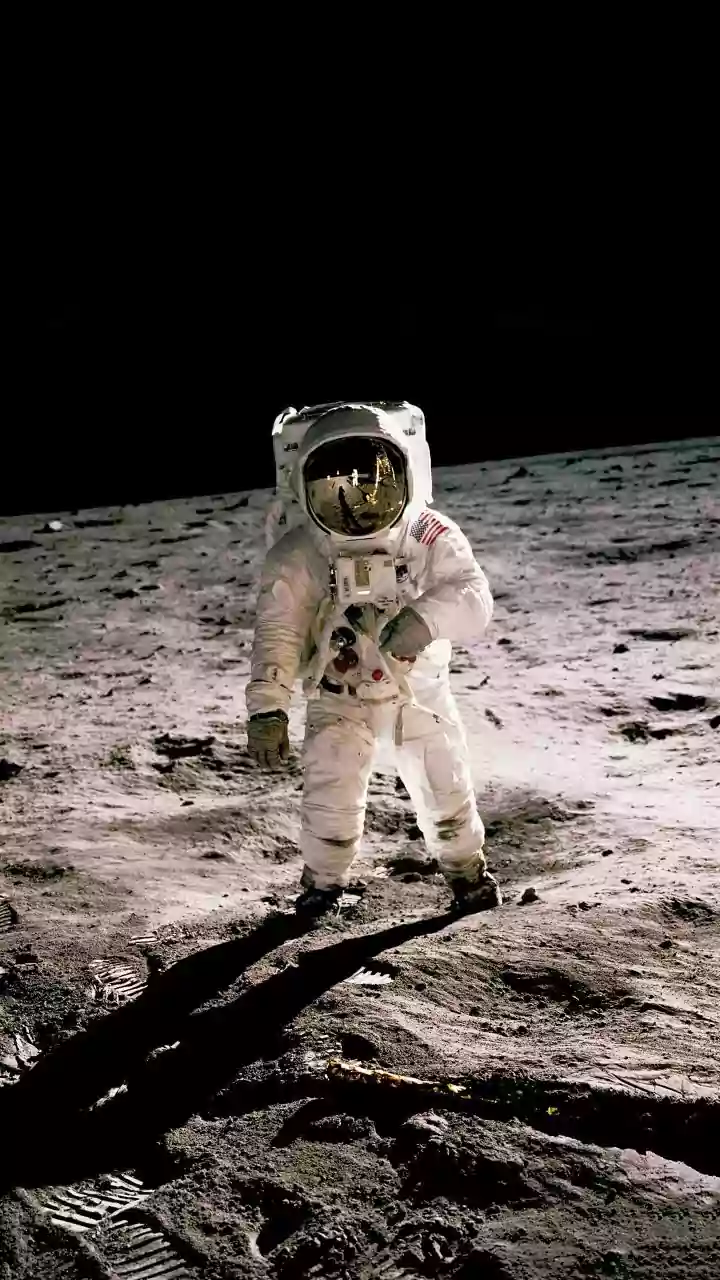
The human element of the mission rests on the shoulders of four decorated Indian Air Force test pilots selected as astronaut-trainees, or 'Vyomanauts'. Their identities were revealed in early 2024, marking a significant public milestone for the programme. These candidates have undergone an extensive and rigorous training regimen designed to prepare them for every conceivable aspect of space travel. This includes generic spaceflight training at Russia's renowned Gagarin Cosmonaut Training Centre and mission-specific training in India. The curriculum is exhaustive, covering academic courses on flight systems, physical fitness, survival training, and familiarisation with microgravity through parabolic flights. This preparation is managed by ISRO's dedicated Human Space Flight Centre (HSFC) in Bengaluru.
The Technology of Flight: Rocket and Capsule
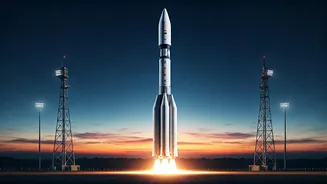
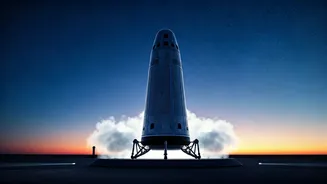
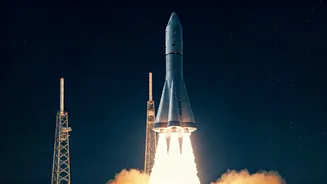
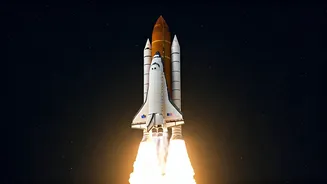
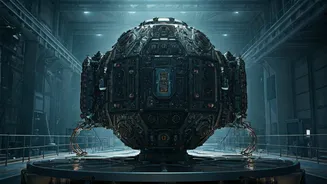
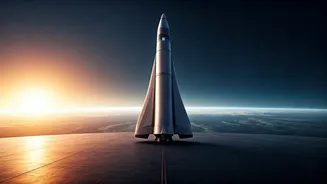
The muscle behind the mission is the LVM3 (Launch Vehicle Mark-3), ISRO's most powerful and reliable rocket. Specially modified and re-christened as the Human-Rated LVM3 (HLVM3), this launch vehicle is equipped with enhanced safety features and redundancies. A critical component is the Crew Escape System, which can jettison the crew module to a safe distance in case of an emergency during launch or ascent. The astronauts will travel in the Orbital Module, which consists of two main parts: the Crew Module and the Service Module. The Crew Module is a habitable, pressurised compartment with an Earth-like environment, while the Service Module provides support with propulsion, power, and other systems.
Forging a Crew: Training in Extreme Conditions
To ensure the crew is prepared for the harsh realities of space, their training extends beyond simulators. ISRO has conducted innovative studies in extreme environments on Earth that mimic the conditions of spaceflight. In April 2026, ISRO and the Institute of Aerospace Medicine conducted a high-altitude study in Leh, Ladakh, called Mission MITRA. This initiative tested astronaut candidates and ground teams in conditions of low oxygen, freezing temperatures, and isolation to study their physical and psychological responses to mission-critical stressors. This hands-on experience in remote, constrained environments is invaluable for preparing for both the Gaganyaan mission and future long-duration spaceflights.
Beyond Gaganyaan: India's Future in Space
Gaganyaan is not an end in itself but a stepping stone for India's grander ambitions in space. The programme is a crucial precursor to establishing the Bharatiya Antariksha Station (BAS), India's own planned space station. This modular station is envisioned to be completed by 2035, with the first module targeted for a 2028 launch. The BAS will enable long-duration human stays in space for up to six months, providing a platform for continuous scientific research in microgravity. Furthermore, the capabilities developed for Gaganyaan, such as docking technology demonstrated by the SPADEX experiment, will be foundational for a crewed lunar mission planned by 2040, cementing India's place as a major global space power.