

More Than a Tourist Attraction
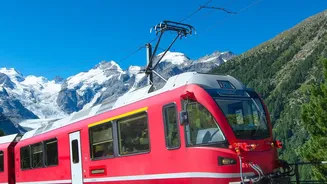
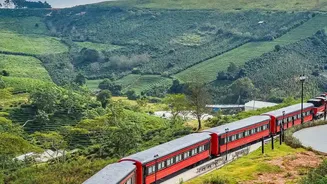
When you think of India’s mountain railways, romantic images come to mind: the 'Toy Train' puffing through the misty hills of Darjeeling, or the Kalka-Shimla line navigating over 800 bridges. Designated as UNESCO World Heritage Sites, these railways are
celebrated as incredible feats of engineering and powerful magnets for tourism. They offer a nostalgic journey into a bygone era, preserving the legacy of India's railway history. However, focusing solely on their role as tourist attractions overlooks their original purpose. When the Darjeeling Himalayan Railway opened in 1881, it was not a 'toy train'; it was an essential transport link, carrying thousands of passengers and tons of goods, long before it became primarily a tourist joyride.
The Limits of a Tourism-Only Model
Relying exclusively on tourism creates a fragile economic model. High ticket prices, necessary to cover the immense maintenance costs of vintage locomotives and tracks, can exclude local residents who might otherwise use the service. Revenue becomes highly seasonal, with trains running below capacity during the off-season, and vulnerable to disruptions. The Darjeeling line, for example, now faces competition from faster road transport, which has diminished its commercial utility for daily travel. When a heritage railway becomes disconnected from the daily life of the community it was built to serve, it risks becoming a caricature of itself—a living museum that is beautiful to look at but has little practical relevance to the people living alongside its tracks.
Lifelines for Local Communities
These railways have historically been, and can still be, crucial public services. In mountainous regions, they provide a vital connection for remote villages, enabling residents to travel for work, education, and access to markets. The Kalka-Shimla Railway was built to connect the summer capital with the rest of India, highlighting its strategic importance beyond leisure. For people in the small towns along these routes, the train is not just a scenic ride but a fundamental piece of infrastructure. Integrating this public service role is not just about nostalgia; it’s about acknowledging that these railways can contribute to regional economic development by supporting local livelihoods, not just by attracting outside visitors.
A Blueprint for a Hybrid Approach
The most sustainable future for heritage railways lies in a hybrid model that embraces both tourism and public service. This could involve a multi-tiered system. For instance, running premium 'joyride' services with higher-priced tickets aimed at tourists, complete with dining cars and guided commentary. Alongside these, regular, affordable commuter services could operate on the same lines, serving the daily needs of local people. Schedules can be designed to accommodate both tourist itineraries and the local work/school day. This approach is not a new concept; many successful heritage railways globally find a balance between being a commercial attraction and a public utility. This model generates diverse revenue streams and, crucially, builds strong community support, which is essential for long-term preservation.
Challenges on the Track Ahead
Implementing a hybrid model is not without significant hurdles. The primary challenge is financial. The maintenance of ageing infrastructure—from century-old bridges to steam locomotives—is incredibly expensive. Generating enough revenue to cover these costs while keeping some fares low for public service is a difficult balancing act. There is also the issue of speed and efficiency; in an era of modern highways, these slow-moving trains struggle to compete for passengers who prioritise time over experience. Successfully managing this dual identity requires careful planning, investment in both restoration and modernization, and strong governance from bodies like Indian Railways to ensure that neither tourism nor public service is neglected.