



The Rise of the Shared Toolbox
Urban living, especially in modern gated communities, is a study in efficiency. We share pools, gyms, and clubhouses, so why not other expensive, bulky equipment? That’s the simple idea behind the tool library, a concept rapidly gaining ground in residential
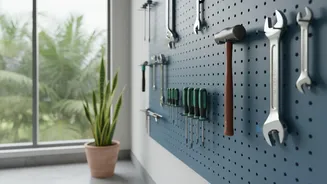
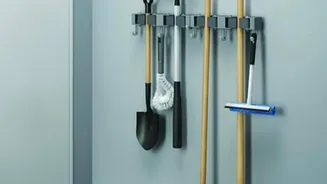
societies. It functions much like a book library, but for items like ladders, power tools, and gardening equipment. Instead of each of the hundreds of households in a complex buying their own drill—which, on average, is used for just a handful of minutes in its entire lifetime—the community collectively owns or manages a pool of tools available for all. This solves the classic problem of spending thousands of rupees on an item that spends most of its life gathering dust in a storeroom, freeing up both capital and precious apartment space.
More Than Just Saving Money
The most obvious benefit of a tool library is financial. It democratises access to high-quality equipment that might otherwise be unaffordable for many families. But the advantages go much deeper. Firstly, it’s a powerful move towards sustainability. By reducing rampant consumerism and the duplication of rarely used items, communities significantly cut down on waste and the environmental cost of manufacturing and transport. Secondly, it saves an incredible amount of space. In compact urban homes, finding a place to store a large ladder or a bulky carpet cleaner is a constant challenge. Centralising these items frees up valuable storage in every home. Finally, and perhaps most importantly, it builds community. The act of borrowing and lending fosters interaction and trust among neighbours, turning a transactional living arrangement into a more collaborative and supportive environment.
How Does It Work in Practice?
The logistics of a community tool library can be surprisingly simple. In many Indian gated societies, these initiatives are managed by the Resident Welfare Association (RWA). The system often leverages the society’s existing management app, such as MyGate or ApnaComplex, which many residents already use for paying maintenance fees and booking other facilities. A common model involves a dedicated room or storage unit where the tools are kept. Residents can view the inventory, check availability, and book an item through the app. To cover maintenance, repairs, and eventual replacement, the RWA might charge a small annual membership fee or a nominal per-use rental. This ensures the library is self-sustaining and the tools are kept in good working condition for everyone’s benefit.
Stocking the Shelves: What Gets Shared?
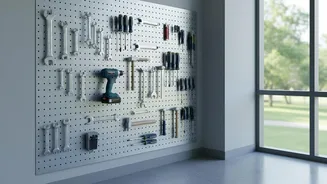
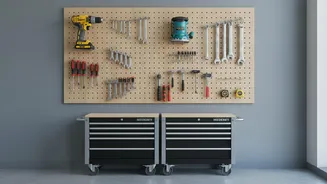
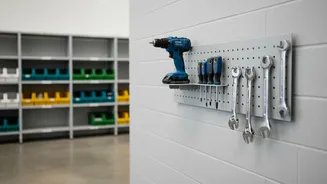
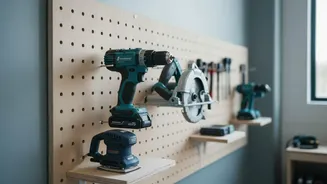
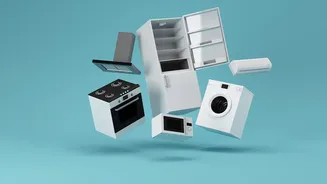
The inventory of a tool library is tailored to the community's needs. The most popular items are typically those that are expensive and used infrequently. This includes power tools like drills, circular saws, and sanders. High-pressure washers for cleaning balconies and cars are another common feature. For home maintenance, tall extension ladders, which are impossible to store in most flats, are a huge draw. Beyond that, you might find gardening equipment like lawnmowers and hedge trimmers for residents with green spaces, or even specialised kitchen appliances like large food processors or ice cream makers that aren't used daily. Some libraries also stock event-related gear like portable speakers or extra chairs.
Navigating the Practical Hurdles
Of course, a shared system isn't without its challenges. The primary concerns are ensuring tools are returned on time and in good condition. What happens if a tool is broken or not returned at all? Most communities address this with clear rules and accountability. A security deposit or a system of fines for late returns, managed through the society app, can be effective. Regular maintenance schedules, funded by membership fees, are crucial to keep the equipment safe and functional. Availability can also be an issue during peak demand, like festival seasons or long weekends. A transparent online booking system that shows when tools are available helps manage expectations and ensures fair access for all residents.