





A Celestial Spectacle Awaits
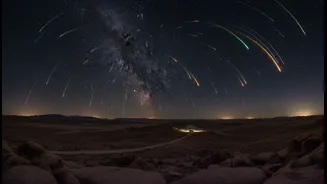
The Perseid meteor shower is one of the most brilliant and reliable astronomical events of the year. It occurs as Earth passes through the debris trail left by Comet 109P/Swift-Tuttle. These tiny particles, many no bigger than a grain of sand, burn up
upon entering our atmosphere at speeds of nearly 60 kilometres per second, creating dazzling streaks of light we call 'shooting stars'. For 2026, the peak is set for the night of August 12 and into the early morning of August 13. Astronomers are particularly optimistic this year because the peak coincides with a new moon, promising exceptionally dark skies and ideal viewing conditions. Under a clear, dark sky, viewers could potentially see 50 to 100 meteors per hour.
The Great Migration to Darkness
The primary challenge for any popular celestial event is light pollution. To truly experience the magic of a meteor shower, you need to escape the glow of cities. This triggers a mass exodus of astronomy enthusiasts and casual observers alike into rural and remote areas. The result is often a logistical nightmare. Just as with popular events at US National Parks like Joshua Tree, major highways leading out of metropolitan areas can become choked with traffic for hours. Anyone hoping for a quick evening drive to a dark spot often finds themselves stuck in a slow-moving convoy of cars, with bright headlights diminishing the very darkness they seek. In India, this phenomenon is compounded by monsoon season in many regions, which can make roads treacherous and further concentrate crowds in the few accessible dry, dark areas.
Accommodating the Cosmos Chasers
Once you've identified a prime viewing location, the next hurdle is securing a place to stay. Dark-sky preserves and popular stargazing destinations like Ladakh, Spiti Valley, and parts of the Rann of Kutch see a massive influx of visitors. Hotels, guesthouses, and campsites in and around these areas are often fully booked months in advance, a lesson many learn the hard way. This scarcity drives up prices and forces many to either attempt a risky all-night drive home after the shower or resort to sleeping in their cars—a less-than-comfortable option, especially at high altitudes where temperatures can drop significantly even in August. The advice from seasoned observers is consistent: plan and book your accommodation as early as possible.
India's Prime Viewing Spots—And Their Hurdles
India offers several world-class locations for stargazing, but each presents its own logistical puzzle for the Perseids. The high-altitude deserts of Ladakh and Spiti Valley offer some of the darkest, clearest skies, as they are largely unaffected by the monsoon. However, their remoteness requires significant travel time and acclimatisation. More accessible locations like the deserts of Rajasthan or the hills of Uttarakhand also draw large crowds. Areas like Jim Corbett or Kausani, while closer to major cities, still require careful planning to navigate traffic and find a viewing spot away from the light and noise of fellow stargazers. Even in these prime locations, the challenge remains to find a spot with an unobstructed view of the sky, away from trees, buildings, and the headlights of late arrivals.
A Planner’s Guide to Success
Beating the logistical crunch requires thinking like a pro. Start by choosing a destination, keeping in mind that less famous spots may offer a better experience than overcrowded, well-known ones. Book your travel and accommodation as far in advance as you can. To avoid the worst traffic, consider travelling a day or two before the peak or leave much earlier in the day. Pack for a long night outdoors. This means more than just a blanket; bring warm layers, as even summer nights can get chilly, especially at altitude. Pack water, snacks, and a flask of a warm beverage. A crucial piece of gear is a red-light torch, which preserves your night vision—a process that can take your eyes 20-30 minutes to fully complete. Avoid looking at your phone, as its white light will ruin your dark adaptation. Finally, be patient and respectful of others who are there to enjoy the silent beauty of the night sky.