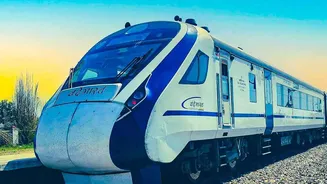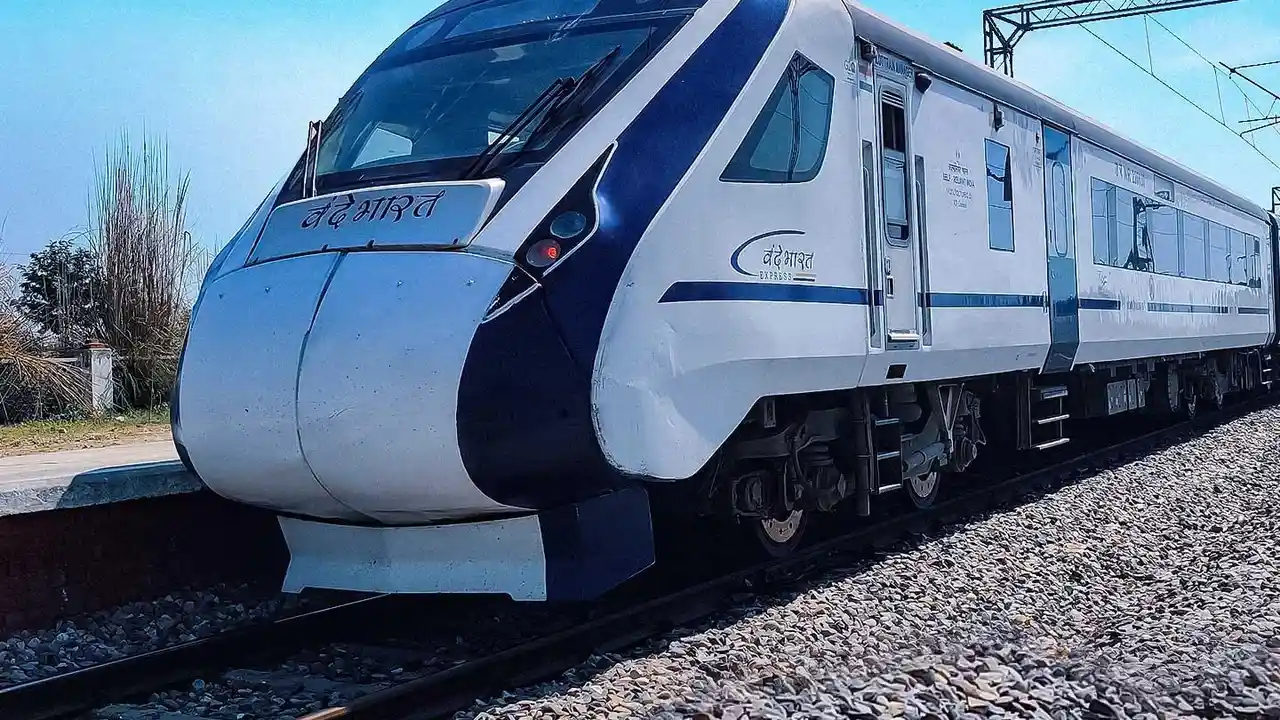




The Vande Bharat Express is known for its speed and premium service, including its onboard meals. Now, IRCTC is trying a new recipe for its catering, testing a leaner menu on a few select routes. Here’s what the change is all about.
What Is Changing on the Menu?
The core of the trial
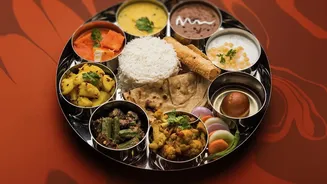
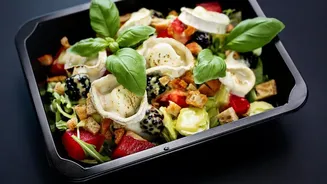
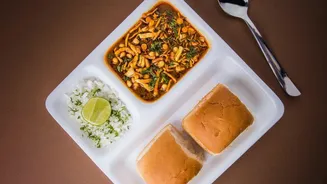
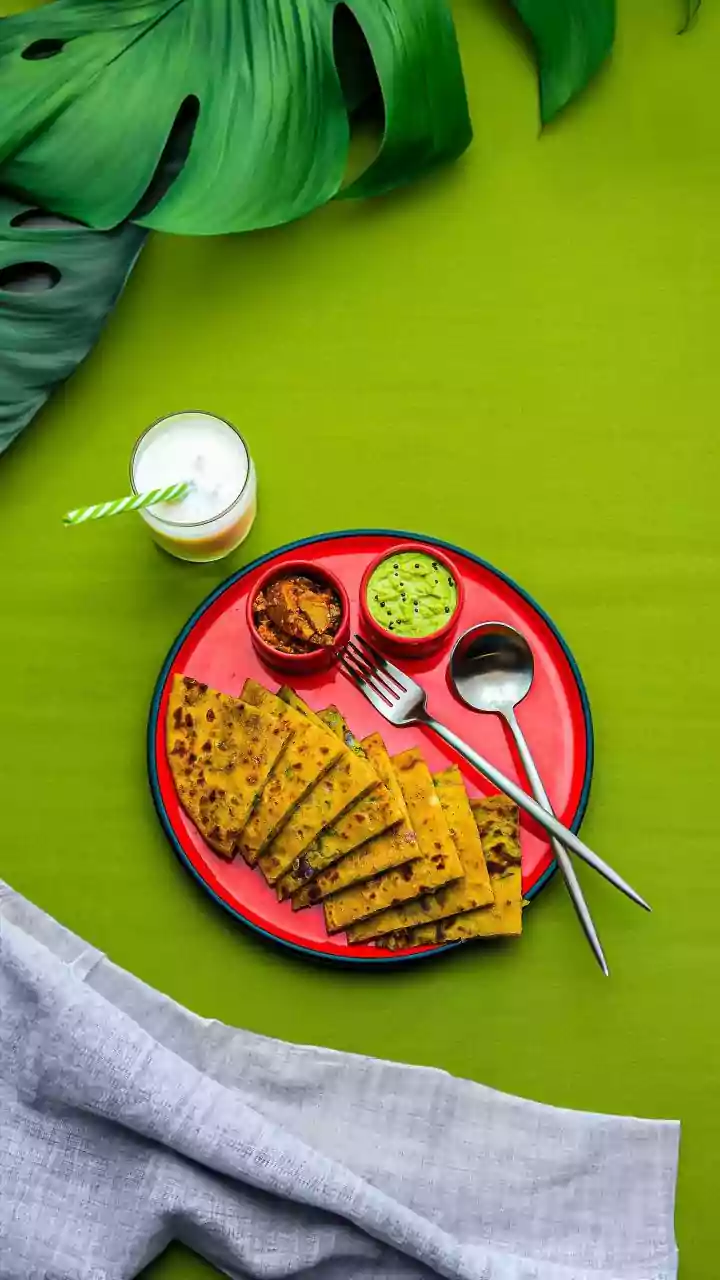
involves trimming down the existing, elaborate meal service. Passengers on the selected trains will notice a more concise menu. For instance, the evening tea service, which previously included a variety of snacks, is being simplified. Items like the samosa or kachori might remain, but accompaniments like patties or cheese sandwiches could be removed. Similarly, for main meals like lunch and dinner, the number of dishes is being rationalized. The morning tea service has also been adjusted, with the elimination of certain items like digestive biscuits. The goal isn't to leave passengers hungry, but to serve a more focused and better-quality selection that has a higher chance of being fully consumed. The changes apply to both vegetarian and non-vegetarian meal options offered in Executive and Chair Car classes.
Why IRCTC Is Making This Change
The primary driver behind this experiment is the significant amount of food wastage observed on Vande Bharat trains. According to railway officials, a considerable portion of the food served on these premium trains often goes uneaten by passengers. This feedback, gathered through onboard surveys and direct observation, pointed towards an overabundance of options rather than a lack of quality. Many travellers found the quantity of food to be more than they could consume during the journey. By testing a 'lite' menu, IRCTC aims to tackle this problem head-on, reducing waste while also potentially optimising operational costs. The official stance is that this is a move towards a more sustainable and efficient catering model, where quality and preference are prioritised over sheer quantity.
The Three Routes Under Trial
This menu experiment is not a nationwide rollout but a targeted pilot program. IRCTC has carefully selected three specific Vande Bharat Express routes for this trial. Passengers travelling on these services will be the first to experience the new, shorter menu. The routes currently part of this test are the Indore-Bhopal Vande Bharat Express, the Bhopal-Jabalpur Vande Bharat Express, and the Nagpur-Bilaspur Vande Bharat Express. These routes were likely chosen due to their relatively short journey times, where elaborate, multi-course meals might be less practical for passengers. The feedback and consumption data gathered from these three services will be crucial in deciding the future of catering across the entire Vande Bharat network.
Passenger Feedback and the Bigger Picture
For passengers, the value proposition of the Vande Bharat has always included the all-inclusive ticket price, which bundles the fare with catering charges. The reaction to a trimmed menu is expected to be mixed. Some may welcome a simpler, less wasteful meal, especially if it leads to better quality for the items that remain. Others might feel that the service is being diluted and that they are receiving less value for their money, as catering charges are mandatory on these trains. IRCTC is actively collecting feedback during this trial period to gauge passenger satisfaction. The move reflects a broader trend within Indian Railways of trying to refine its premium services based on data and customer behaviour. It's a delicate balancing act between maintaining the 'premium' tag and running an efficient, sustainable operation.