



The Majestic Thoseghar Falls
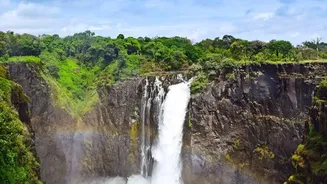
Located about 20 kilometres from Satara, Thoseghar Waterfalls are a series of cascades that truly come alive post-monsoon. The main waterfall plunges from a height of nearly 200 metres, creating a deafening roar and a mesmerising spectacle. A well-maintained
viewing platform allows for safe and breathtaking views of the falls rushing into a deep gorge. The best time to visit is between July and November when the water volume is at its peak and the surrounding hills are draped in dense greenery. The area is also a biodiversity hotspot, making it a delight for birdwatchers. For those looking to extend their trip, the historic Sajjangad Fort is just a short drive away.
Lingmala Waterfall's Dual Charm
Just 6 kilometres from the Mahabaleshwar bus stand, Lingmala Waterfall is a popular and easily accessible stop. The site features two distinct waterfalls. A smaller, gentler fall is perfect for families and those looking to splash in the water safely. A 30-minute trek from there leads you to the main waterfall, which majestically drops from a height of about 500 feet. While you cannot enter the main fall, the view from the designated point is spectacular. The post-monsoon months, from July to October, are ideal for a visit as the falls are in their full glory, fed by the Venna River. The journey to the falls itself is scenic, winding through the lush forest that surrounds Mahabaleshwar.
The Towering Vajrai Waterfall
Claimed to be one of India's tallest waterfalls, Bhambavli Vajrai Waterfall is a three-tiered cascade near the village of Bhambavli in the Satara district. Plunging from a combined height of approximately 853 feet, it is a sight of raw natural power. The falls are perennial but are most impressive during and immediately after the monsoon, from June to October. The waterfall is also the origin of the Urmodi River. Located near the Kaas Plateau, a trip to Vajrai can be combined with a visit to the famous valley of flowers, making for a journey packed with natural wonders. The area is maintained as a plastic-free zone to preserve its pristine beauty.
A Carpet of Flowers at Kaas Plateau
While not a waterfall, no post-monsoon trip to Satara is complete without visiting the Kaas Plateau, a UNESCO World Natural Heritage Site. From late August to early October, this high-altitude basalt plateau transforms into a vibrant carpet of over 850 species of wildflowers. The blooming is dependent on the monsoon's retreat, with September often being the best time to witness the most vibrant floral displays. Due to its ecological sensitivity, visitor numbers are restricted, and it's advisable to book entry passes online in advance, especially for weekend visits. The landscape changes weekly as different flowers come into bloom, offering a unique experience with every visit.
Planning Your Western Ghats Drive
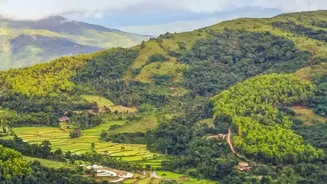
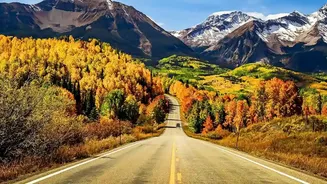
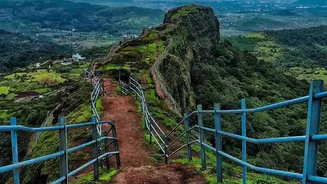
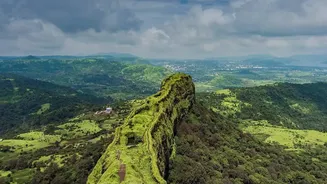
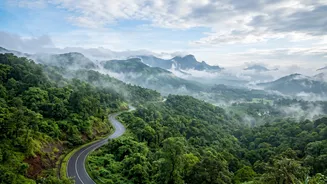
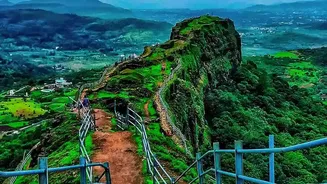
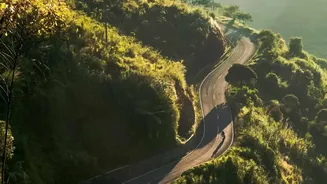
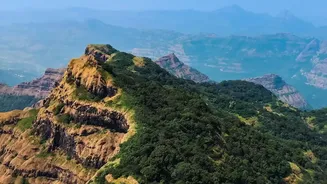
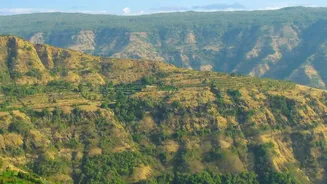
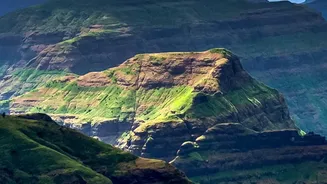
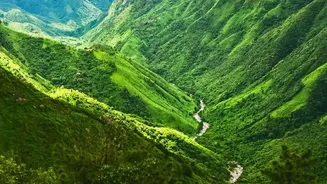
A road trip through this region is as much about the journey as the destinations. The roads from Pune and Mumbai to Satara and Mahabaleshwar offer stunning views of the Sahyadri mountain range. Post-monsoon, the drive is exceptionally scenic, with lush landscapes and smaller, unnamed cascades appearing along the way. However, it's crucial to exercise caution. Roads can be slippery, and some stretches might be affected by heavy rains or landslides. Always check local weather and road conditions before you start. Ensure your vehicle is in good condition, and for visiting waterfalls, wear sturdy footwear with good grip, as trails can be slick. Embracing these simple precautions will ensure your trip is both memorable and safe.