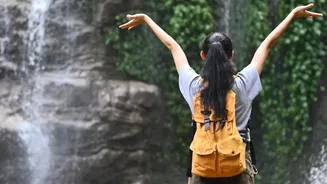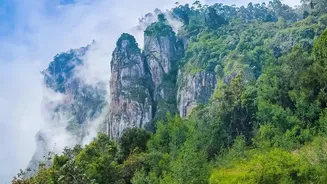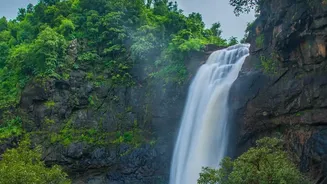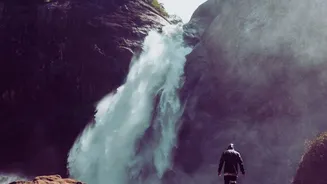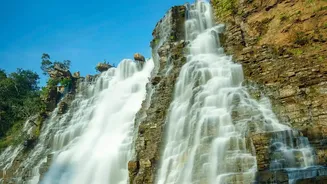

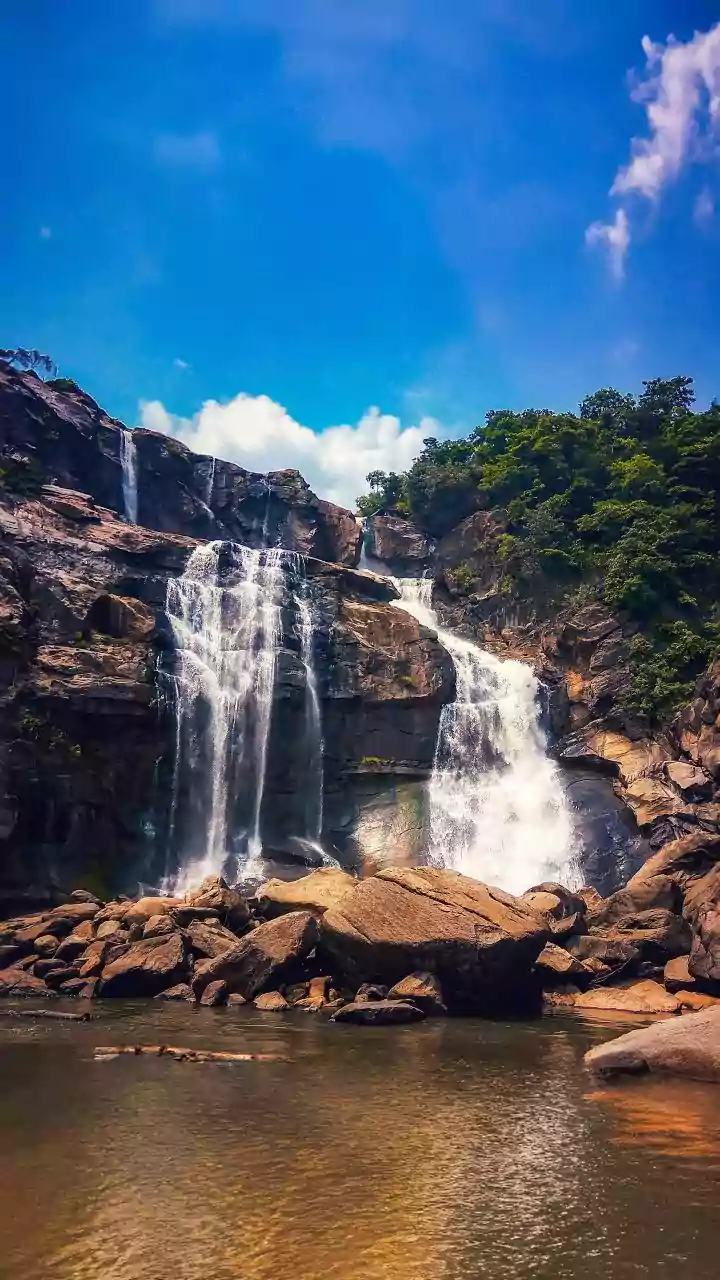
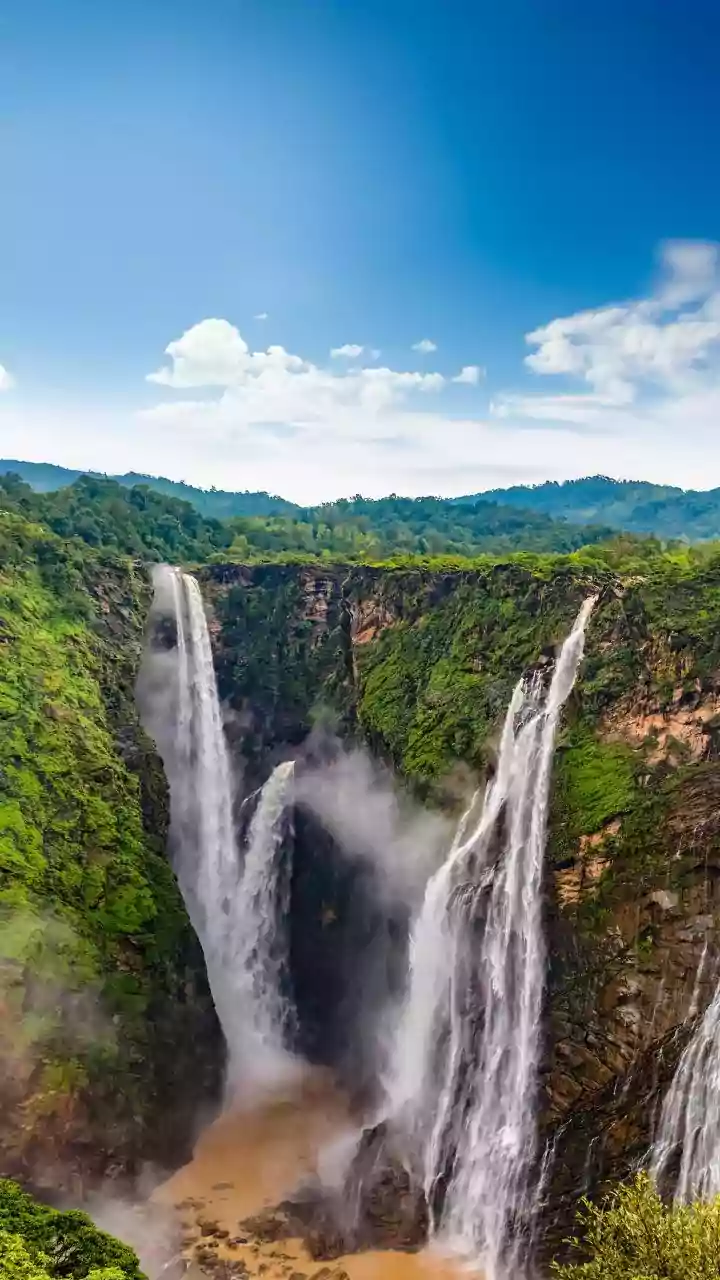

Karnataka’s waterfalls transform into breathtaking spectacles during the monsoon. But this immense power brings significant danger, forcing authorities to close access to popular edge viewpoints to protect visitors from the very risks that create the beauty.
The Monsoon's Dramatic Transformation
From June to September, the monsoon season breathes new life into Karnataka's Western Ghats. Waterfalls that are gentle streams for most of the year swell into roaring, powerful torrents. At popular spots like Jog Falls, Abbey Falls, and Shivanasamudra, the increased water volume creates a magnificent, thunderous display that attracts thousands of tourists. The landscape becomes intensely green, and the air is filled with mist and the scent of wet earth. This dramatic change, while visually stunning, fundamentally alters the nature of these sites, turning them from serene picnic spots into zones of raw, unpredictable power.
The Hidden Dangers of Heavy Flow
The primary danger isn't just the volume of water, but the secondary effects it creates. The constant spray makes surrounding rocks and pathways extremely slippery, covered in a slick film of moss or algae that offers no grip. Many tragic accidents occur when visitors lose their footing on these surfaces. Furthermore, the force of the water creates powerful undercurrents and hydraulics in the plunge pools below, which can trap even strong swimmers. Another significant risk is the possibility of flash floods, where a sudden surge of water from heavy rains upstream arrives with little to no warning, sweeping away everything in its path. This combination of slippery terrain and turbulent water makes getting close to the edge a life-threatening risk.
Why Viewpoint Access Is Restricted
In response to these dangers, the Karnataka Forest Department and local district authorities regularly implement restrictions, often closing access to waterfalls within forest limits entirely during peak monsoon. These restrictions are not arbitrary; they are a direct consequence of numerous accidents and fatalities over the years. Viewpoints, especially those on natural ledges or close to the water's edge, become the most hazardous areas. Authorities often install 'no-entry' boards and deploy staff to prevent tourists from approaching dangerous spots. At Jog Falls, for instance, the popular trek to the base is typically closed during the monsoon for safety reasons. At Abbey Falls, while a hanging bridge provides a safe viewing distance, entering the water or going near the base is strictly prohibited due to strong currents.
Official Guidelines and Staying Safe
Authorities across multiple districts, including Shivamogga, Kodagu, and Chikkamagaluru, issue prohibitory orders as a standard precautionary measure during heavy rains. These often apply to all rivers, streams, and waterfalls in the region. The core message from officials is consistent: do not risk your life for a photo or a moment of thrill. Key safety guidelines include staying on designated trails and behind safety barriers, never climbing on wet rocks, and avoiding swimming in or near the falls. Before planning any trip, it is crucial to check for the latest alerts and closures from the Karnataka Forest Department or the local district administration, as conditions can change rapidly. Homestay and resort owners are also held responsible for ensuring their guests' safety and informing them of these restrictions.
Appreciating the Power from a Safe Distance
Restricted access doesn't mean you can't enjoy the monsoon spectacle. The goal is to shift the experience from one of closeup physical interaction to one of safe visual appreciation. Many major waterfalls like Jog Falls and Abbey Falls have designated viewing platforms or hanging bridges built at a safe distance. These structures are designed to offer stunning panoramic views without putting visitors in harmway. An alternative strategy is to plan your visit during the postmonsoon months of October to December. During this period, the water flow is still impressive, the surrounding landscape remains lush and green, and the weather is more pleasant and predictable. This allows for a more relaxed and safer exploration often including access to trails that were closed during peak monsoon.