





The Blue Mountains’ Best-Kept Secret
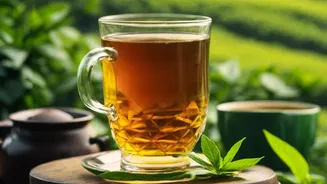
While Indian tea for many Americans means bold, malty Assam or the delicate, floral notes of Darjeeling, Nilgiri remains one of the great undiscovered gems of the tea world. Grown in the Nilgiri Hills, or “Blue Mountains,” of Southern India, these high-altitude
teas are known for being exceptionally aromatic, medium-bodied, and refreshingly smooth. Unlike their more famous counterparts, Nilgiri teas are harvested year-round, benefiting from two distinct monsoon seasons, which contributes to their consistent quality and balanced flavor. The result is a tea with a natural, subtle sweetness, often described as having fruity and floral undertones.
India's Growing Thirst for Healthier Choices
This unique profile has made Nilgiri tea the perfect hero for a major shift in Indian consumer habits. Across India’s bustling cities, there's a growing movement away from sugary sodas and even traditionally sweet milky chai. Health-conscious millennials and Gen Z consumers, in particular, are driving demand for beverages that are lower in sugar but don't compromise on flavor or experience. This isn’t about restriction; it's about finding smarter, more balanced options. The market for low- and no-sugar drinks in India has grown significantly, with consumers actively seeking out natural alternatives to satisfy their thirst.
A Tea That's Built for the Cold
This is where Nilgiri tea truly shines. Many black teas, when brewed and chilled, can become cloudy and unpleasantly bitter due to compounds called tannins. Nilgiri tea, however, has a unique chemical composition with lower levels of astringency. It remains crystal clear when chilled and its natural sweetness becomes even more pronounced, creating a smooth, clean, and incredibly refreshing iced tea without needing added sugar. This makes it an ideal candidate for cold brewing—a process where tea leaves are steeped in cold water for several hours. This gentle extraction method minimizes bitterness and maximizes the tea's delicate, fruity notes.
The Artisanal Advantage
While the vast majority of Nilgiri tea is processed by machines for tea bags, a growing number of artisanal and boutique estates are focusing on traditional, hands-on methods. These smaller producers are experimenting with specific tea plant varieties and processing techniques to emphasize the qualities that make Nilgiri so special for cold beverages. They might harvest leaves during the winter to produce a coveted "frost tea," which has a richer, more concentrated flavor, or focus on green and oolong versions that offer different dimensions. This craft-focused approach allows for the creation of unique, high-quality teas that stand in stark contrast to mass-market iced tea powders and sugary bottled drinks.