


Sikkim: The Organic State
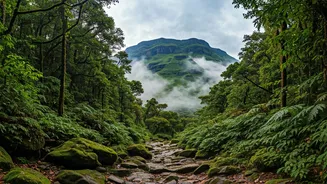
Sikkim isn't just a destination; it's a benchmark for sustainable living. As India's first fully organic state, it has banned pesticides and plastic bags, championing a way of life that reveres nature. The trend here is moving away from crowded tourist
hubs towards serene, rural homestays. Travellers are flocking to villages like Dzongu, a special reserve for the Lepcha community, and Yuksom, the historical first capital. Here, tourism is community-driven, with locals opening their homes and sharing their culture. Visitors can partake in organic farming, learn traditional cooking, and embark on treks through pristine forests, knowing their presence supports local livelihoods and conservation efforts. It’s a holistic escape where the journey itself is a lesson in sustainability.
Meghalaya: Whispers of the Living Forest
While Mawlynnong, famously known as 'Asia's Cleanest Village', put Meghalaya on the eco-map, the trend is now broadening to encompass the state's wider philosophy. The real draw is the deep respect for nature embedded in Khasi culture. The state is home to the unique living root bridges, a breathtaking example of bio-engineering where locals have guided tree roots over generations to form natural bridges. Today’s travellers are seeking out community-run guesthouses near these natural wonders in places like Nongriat. The appeal lies in disconnecting from the digital world and connecting with an ancient, symbiotic relationship between humans and their environment. This isn’t about luxury; it’s about authenticity and witnessing a culture that has practised sustainability for centuries.
The Western Ghats: A Biodiversity Hotspot
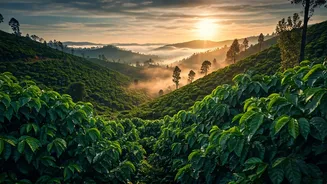
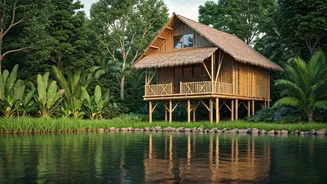
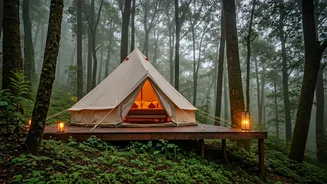
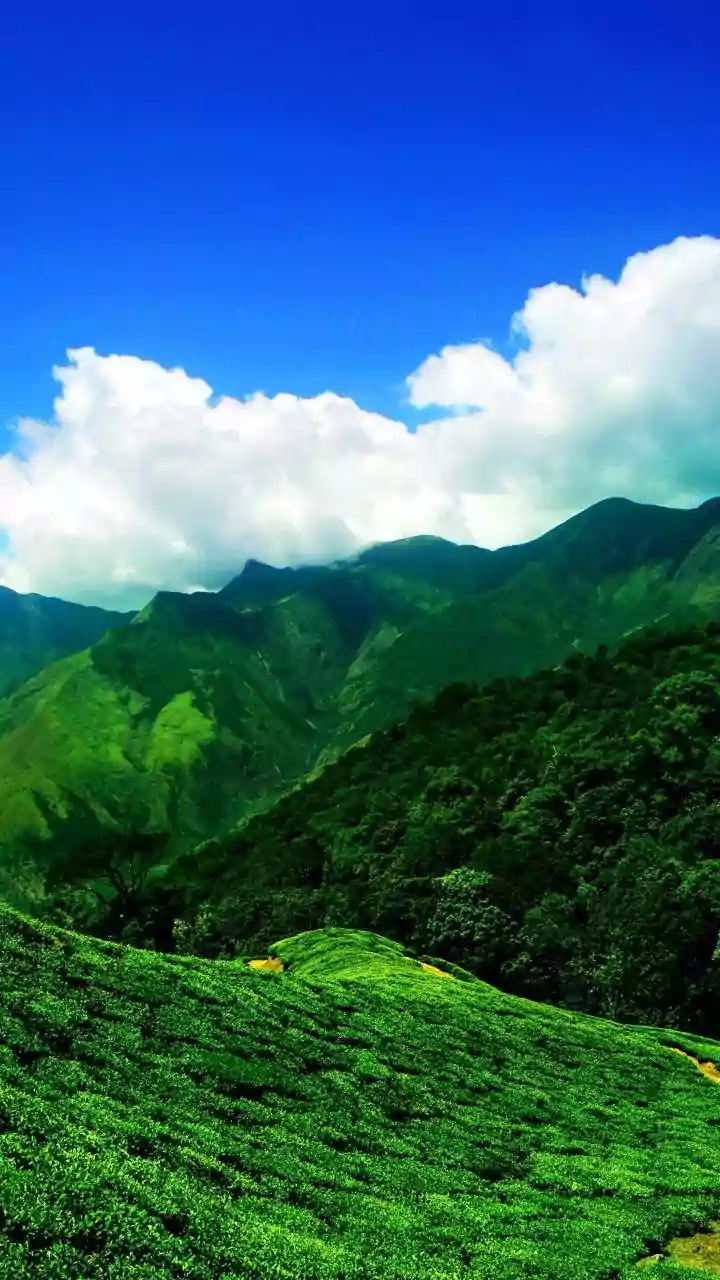
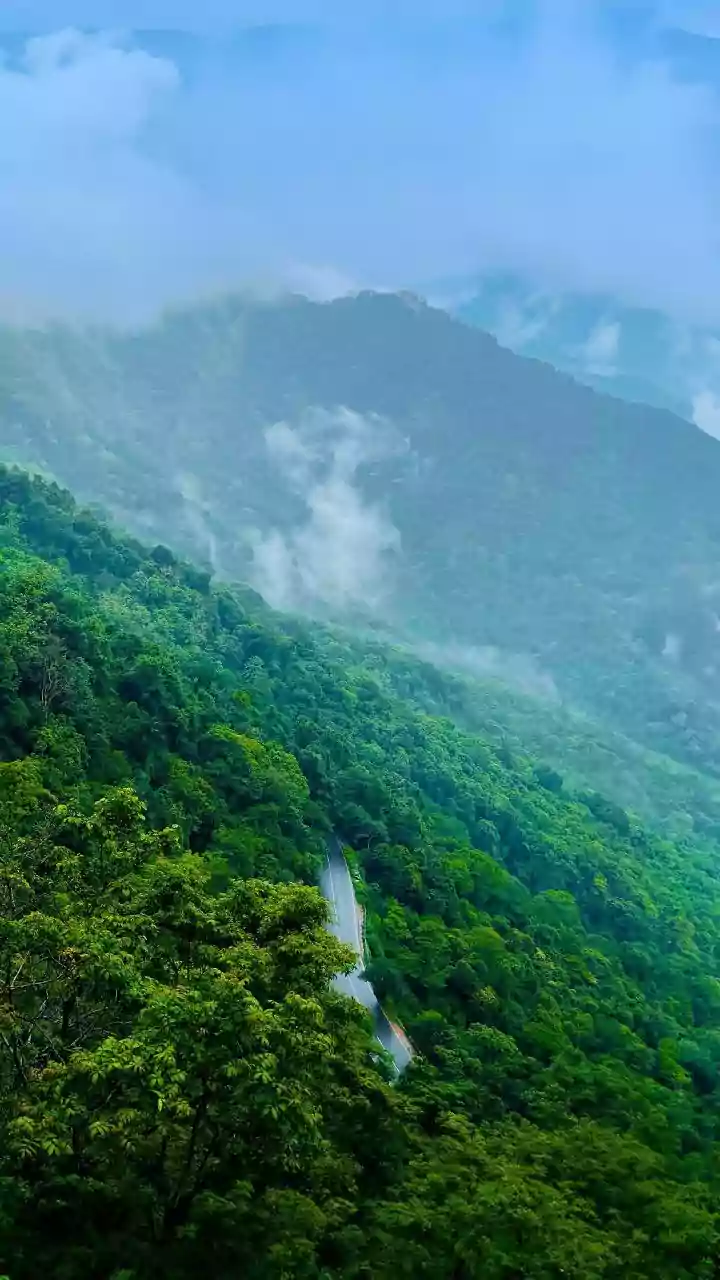
Stretching across several states, the Western Ghats offer a mosaic of green escapes, but the current trend points towards hyperlocal, immersive experiences. In regions like Coorg in Karnataka and Wayanad in Kerala, travellers are looking beyond large resorts. They are opting for boutique eco-lodges and homestays nestled within coffee or spice plantations. These properties often run on solar power, practice rainwater harvesting, and offer farm-to-table dining with ingredients grown on-site. The experience is educational and restorative, filled with guided nature walks to spot endemic birds, learning about the cultivation of coffee and pepper, and understanding the delicate balance of this UNESCO World Heritage Site. It's a luxurious form of eco-tourism where comfort and conservation go hand in hand.
Spiti Valley: Responsible High-Altitude Adventure
The stark, lunar landscapes of Spiti Valley in Himachal Pradesh have always attracted adventurers, but the trend now is a conscious shift towards responsible travel. The fragile high-altitude desert ecosystem is vulnerable to the pressures of mass tourism. In response, a more mindful form of travel is emerging, centered on the region's network of homestays. Staying with a local family in villages like Komic, Hikkim, or Langza offers an unparalleled cultural immersion. Travellers share simple meals, learn about Buddhist traditions, and experience life at over 14,000 feet. This model ensures that tourist spending directly benefits the local community, reduces the environmental footprint compared to building large hotels, and fosters a deeper, more respectful interaction between visitors and hosts.
Puducherry's Green Outskirts
While known for its French Quarter, the real green trend in Puducherry is happening in its outskirts, particularly around Auroville. This experimental township is a hub for sustainable practices, from organic farms and reforestation projects to renewable energy solutions. Travellers are increasingly seeking out eco-conscious guesthouses and wellness retreats in this area. These aren't just places to stay; they are communities offering workshops on everything from sustainable architecture to organic cooking and mindfulness. Visitors can volunteer on farms, learn about water conservation, and engage with a global community dedicated to conscious living. It represents a different kind of escape—one that is not just about relaxation, but also about learning and personal growth.