
The Allure of Autumn in Sohra
While Meghalaya is famous for being one of the wettest places on Earth, the post-monsoon autumn season (from October to November) offers a unique and arguably more pleasant travel experience. The months of torrential rain give way to clearer skies, comfortable
temperatures, and a landscape that is vibrant and lush. This period is considered the secret season for savvy travellers. You get the best of both worlds: the dramatic, full-flowing waterfalls fed by the monsoon, but with safer, drier trails and significantly fewer tourists. It's the ideal time for trekking, photography, and simply soaking in the panoramic views without the interruption of heavy rain and fog.
Chasing Post-Monsoon Waterfalls
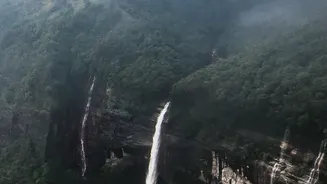
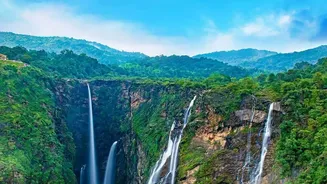
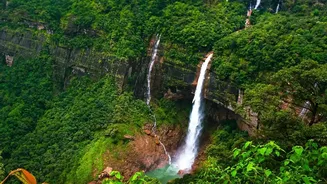
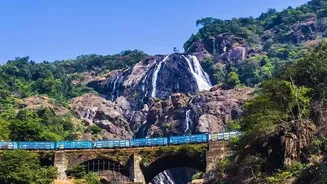
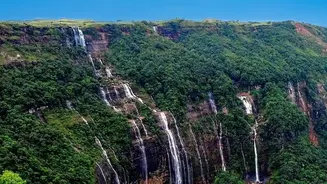
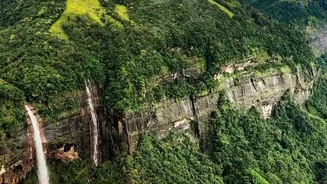
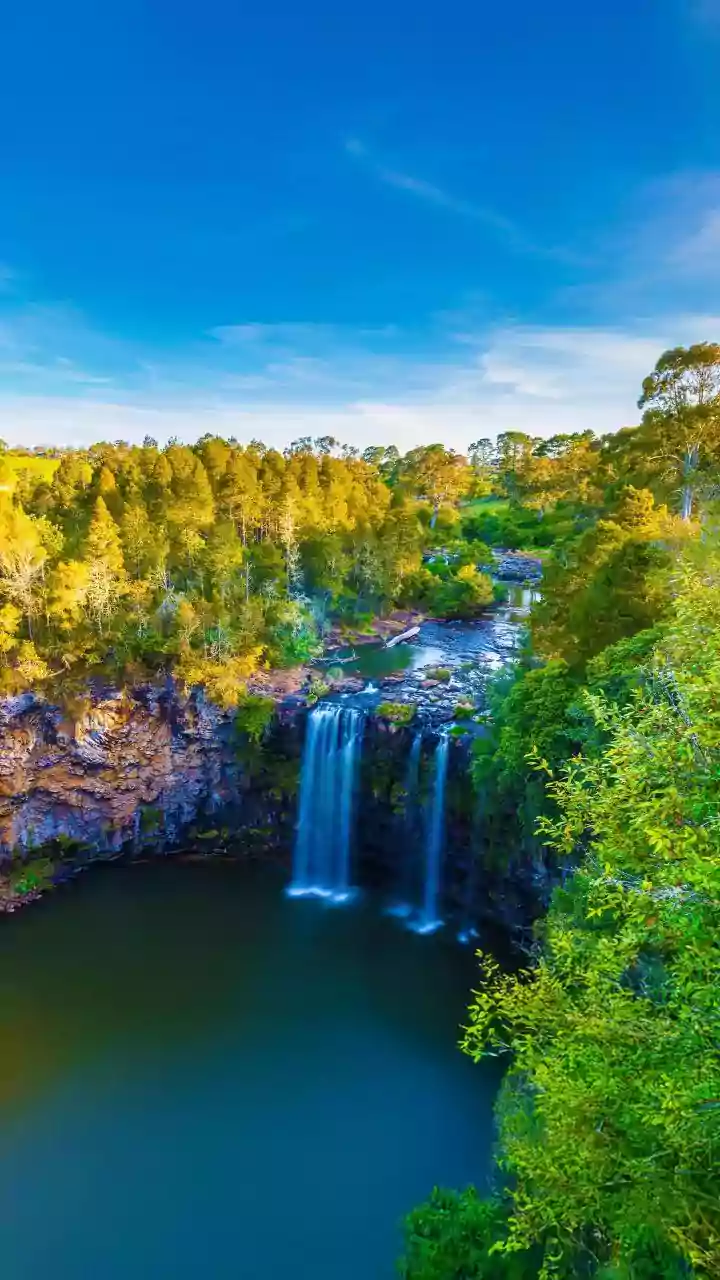
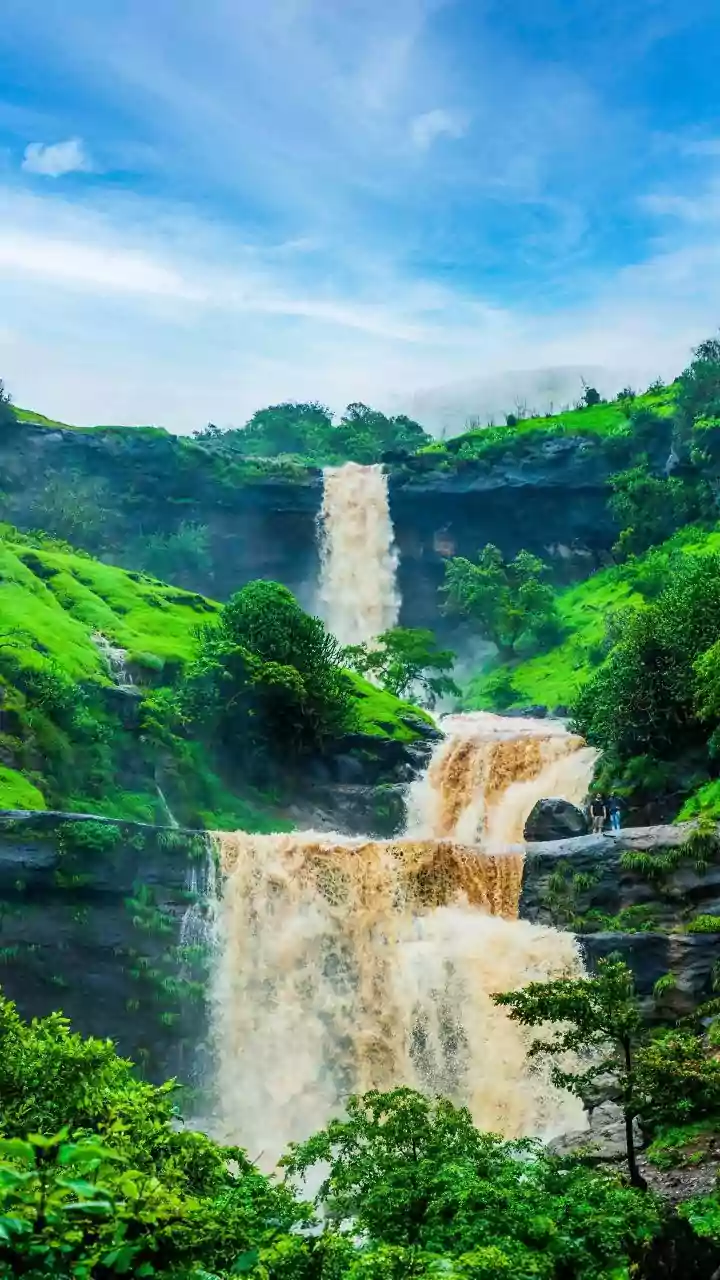
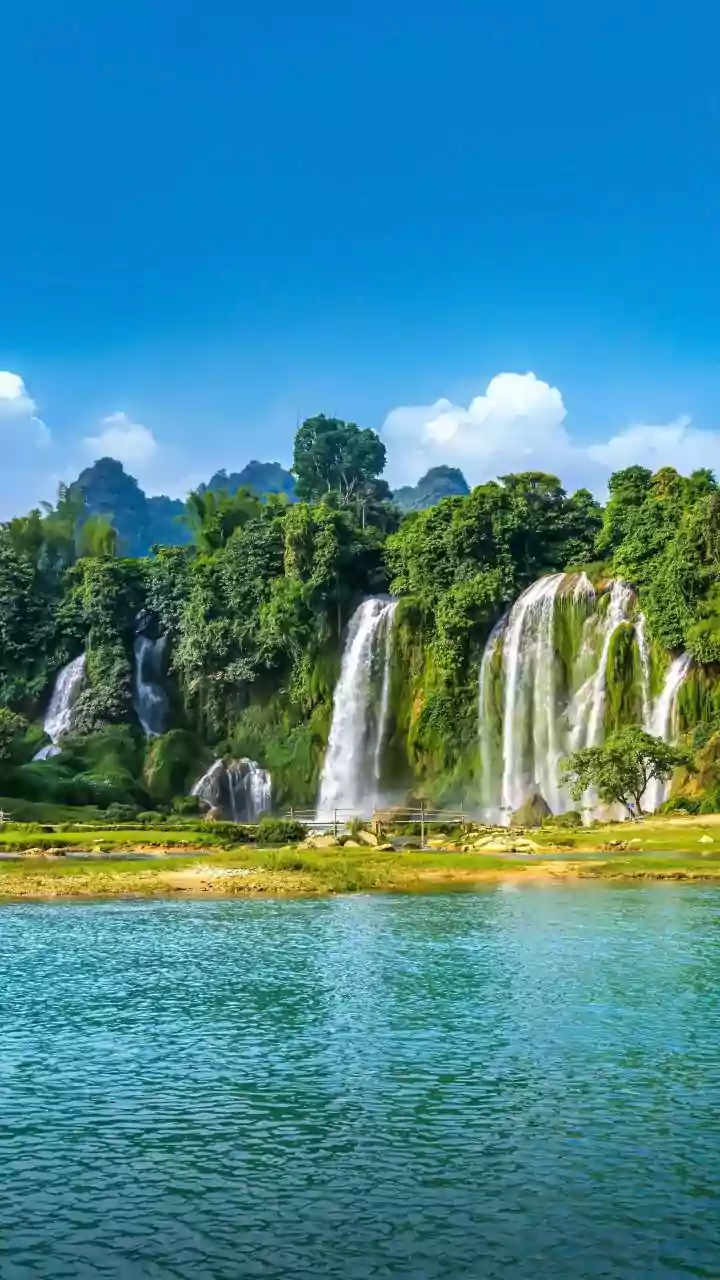
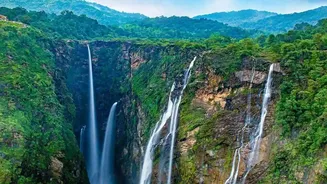
Sohra, also known by its colonial-era name Cherrapunji, is a land of legends and cascades. In autumn, these waterfalls are at their majestic best. The most famous is Nohkalikai Falls, India's tallest plunge waterfall. It cascades from a height of over 1,100 feet into a stunning turquoise pool, a sight often made clearer in the crisp autumn air. Another must-see is the Nohsngithiang Falls, popularly known as the Seven Sisters Falls, where seven distinct streams tumble down limestone cliffs. Then there is the thunderous Dainthlen Falls, tied to a local Khasi folktale about a giant snake, which carves its way through a rocky landscape. The pleasant weather makes reaching these viewpoints a much more enjoyable experience than during the peak monsoon.
The Living Marvels: Jingkieng Jri
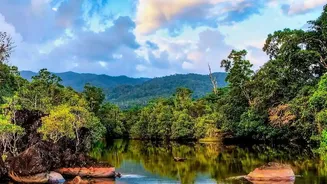
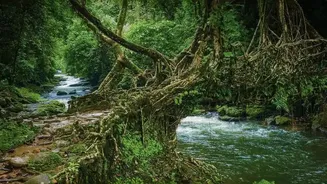
No trip to Meghalaya is complete without witnessing the Jingkieng Jri, or the living root bridges. These are not built, but grown over decades by the indigenous Khasi and Jaintia communities, who guide the aerial roots of the rubber fig tree across rivers. The most famous of these is the Umshiang Double-Decker Root Bridge in Nongriat village. Reaching this marvel of bio-engineering is an adventure in itself, involving a trek down approximately 3,000 stone steps from the village of Tyrna. The journey, which takes about 4-6 hours for a round trip, leads you through dense tropical forests, across suspension bridges, and past natural pools. The reward is an awe-inspiring structure of interwoven roots, a testament to a harmonious relationship between humans and nature.
Beyond the Famous Sights
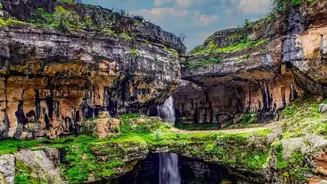
Autumn's clear weather also opens up other explorations around Sohra. You can delve into the region's fascinating geology by visiting its extensive cave systems. Mawsmai Cave is well-lit and accessible, showcasing stunning limestone formations. For a more rugged experience, Arwah Cave offers a darker, more intricate path where you can spot fossils embedded in the walls. For breathtaking panoramic views, the Eco Park offers a vantage point looking out over the verdant valleys and across to the plains of Bangladesh on a clear day. Many visitors also make a stop at the Mawkdok Dympep Valley Viewpoint on the scenic drive from Shillong.
Planning Your Autumn Trip
Sohra is located about 55 kilometres south of Shillong, the state capital, which serves as the primary entry point for most travellers. The drive from Shillong to Sohra takes approximately two hours and is one of the most scenic routes in the region. You can hire a private taxi from Shillong or opt for shared Sumos, which are a more budget-friendly option available from the Bara Bazar area. For accommodation in Sohra, options range from resorts to charming homestays that offer an authentic local experience. When packing, include comfortable trekking shoes, light layers for the pleasant days and cool evenings, and a rain jacket for the occasional shower, as the weather in the hills can be unpredictable.