
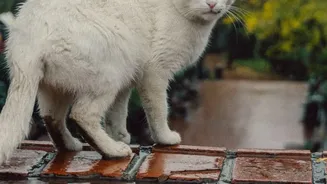
Prioritise a Thorough Drying Routine
The single most important habit during the rainy season is to keep your pet dry. A damp coat is a breeding ground for bacteria and fungi, which can lead to painful skin infections, often called 'hot spots' or acute moist dermatitis. After every walk,
no matter how short, towel-dry your pet thoroughly. Pay special attention to their underbelly, paws, the area between their toes, and any skin folds where moisture loves to hide. For breeds with thick coats, regular brushing is crucial to improve air circulation and prevent matting, which traps moisture against the skin.
Be Vigilant About Paw Care
Your pet’s paws are on the front line, coming into direct contact with muddy, contaminated surfaces. Puddles can contain not just dirt, but also harmful bacteria and chemicals. After each outdoor excursion, clean your pet's paws with a damp cloth followed by a dry one. This is also a good time to inspect them for any cuts, redness, or swelling between the pads. Trimming the fur between the paw pads can also help reduce the amount of mud and moisture that gets trapped.
Avoid Contaminated Water Dangers
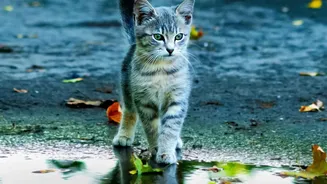
Stagnant water is a significant hazard during the monsoon. Puddles, streams, and waterlogged areas can be contaminated with the urine of infected animals, spreading dangerous bacteria. One of the biggest threats is Leptospirosis, a serious bacterial infection that can cause kidney and liver failure and can also be transmitted to humans. Prevent your dog from drinking from or even wading through puddles. Ensuring your dog's vaccinations, including the one for Leptospirosis, are up to date is a critical preventive measure.
Step Up Parasite Prevention
Fleas, ticks, and mosquitoes thrive in warm, humid weather, making monsoon prime time for infestations. These parasites are not just a nuisance; they can transmit serious diseases. Mosquitoes, for instance, can carry heartworm. It's essential to continue with your vet-recommended flea and tick prevention program throughout the season. Regular grooming and checking your pet’s coat after walks can help you spot any unwanted guests early.
Safeguard Their Ears
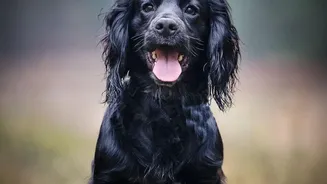
The ears are another area highly susceptible to problems from excess moisture, especially in floppy-eared breeds. Trapped moisture in the ear canal can lead to painful yeast and bacterial infections. Make ear drying a part of your post-walk routine. Gently wipe the outer part of the ear with a soft, dry cloth. Never push anything deep into the ear canal. If you notice a bad smell, redness, or your pet is scratching their ears excessively, it's time for a vet visit.
Focus on Indoor Comfort and Hygiene
Since pets spend more time indoors during the rains, keeping their living space clean and dry is key. Wash their bedding more frequently to prevent moisture and bacteria from building up. Ensure their bed is in a warm, draft-free spot. When walks are shorter due to heavy rain, prevent boredom by engaging them with indoor activities. Puzzle feeders, chew toys, and short training sessions can provide much-needed mental stimulation.
Manage Diet and Hydration
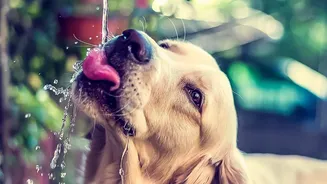
Don't assume the cooler weather means your pet needs less water; hydration is always important. However, ensure the water you provide is clean and fresh, changing it at least once a day, as bacteria multiply faster in humid conditions. It's safer to provide filtered or boiled water. Also, store dry pet food in airtight containers to prevent it from absorbing moisture, which can lead to mould and spoilage.