


From Trash to Treasure
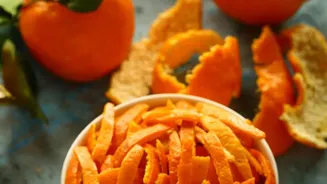
Every time you squeeze a lemon for its juice or peel an orange for a snack, you’re left with the fragrant but often discarded peel. It feels wasteful, and it is. These peels are typically destined for the compost or, worse, the landfill. But what if they
could be the star of their own show? Embracing a zero-waste mindset in the kitchen opens up a world of creativity. It encourages us to see value in every part of an ingredient. Citrus peels, far from being rubbish, are a versatile resource brimming with aromatic oils and intense flavour, just waiting for a new purpose. By saving them, you’re not just reducing food waste; you're unlocking an ingredient that can bring a bright, complex flavour to a variety of dishes, starting with a simple, tangy preserve.
The Gut-Friendly Secret: Pectin Power
The claim that citrus peel preserves are “gut-friendly” isn't just a wellness trend; it's rooted in science. The magic ingredient is pectin, a type of soluble fibre found in high concentrations in the cell walls of citrus fruits, especially the peels and the white pith underneath. Pectin is known as a prebiotic, which means it acts as food for the beneficial bacteria living in your gut, such as Bifidobacteria and Lactobacillus. When these good microbes are well-fed, they thrive, helping to balance your digestive system, reduce inflammation, and support your overall immune health. Pectin also forms a gel-like substance in your digestive tract, which can help regulate bowel movements and support the protective lining of your intestine. So, while you're enjoying a sweet and tangy treat, you're also giving your gut microbiome a healthy boost.
Simple Citrus Peel Preserve Recipe
Making your own preserve is far easier than it sounds and doesn't require any special equipment. This recipe turns your leftover peels into a chunky, flavourful marmalade-style preserve. It's adaptable, so feel free to use peels from lemons, oranges, limes, grapefruit, or a mix of whatever you have on hand. For the best flavour and to avoid pesticides, using organic citrus is recommended. Ingredients: - About 2 cups of leftover citrus peels (from approximately 4-6 lemons or oranges) - Water - 1 to 1.5 cups of granulated sugar (adjust to taste) - A pinch of salt - Optional: a splash of vanilla extract or a cinnamon stick for extra flavour Instructions: 1. Prepare the Peels: Thinly slice your citrus peels. To reduce bitterness, you can perform a step called blanching. Place the peels in a saucepan, cover with cold water, bring to a boil for a couple of minutes, then drain. For an even softer, less bitter result, some recipes suggest boiling the peels for 20-30 minutes until tender, changing the water if necessary. 2. Simmer and Soften: Return the drained peels to the saucepan and cover them with fresh water. Bring to a simmer and cook on low to medium heat until the peels are very soft and translucent. This can take anywhere from 30 to 90 minutes depending on the thickness of the peels. 3. Add Sugar and Thicken: Once the peels are tender, add the sugar and a pinch of salt. Stir until the sugar is completely dissolved. Continue to cook on a medium-low heat, stirring occasionally, until the mixture thickens. This can take about 20-30 minutes. The preserve is ready when it coats the back of a spoon, or when a small amount dropped onto a cold plate gels and wrinkles when you push it with your finger. 4. Jar and Store: Remove the pot from the heat. If you're using any optional flavourings like vanilla, stir them in now. Carefully pour the hot preserve into clean glass jars. Let it cool completely before sealing and storing it in the refrigerator, where it will last for several weeks.
Ways to Enjoy Your Preserve
Now that you’ve created this vibrant, tangy preserve, the fun part is putting it to use. Its sweet, sour, and slightly bitter notes make it incredibly versatile. Spread it on warm toast, scones, or sourdough for a classic breakfast treat. Swirl it into plain yogurt or oatmeal to add a burst of citrus flavour. It also works beautifully as part of a cheese board, especially paired with soft, creamy cheeses. For a more savoury application, you can thin the preserve with a little water and garlic to create a delicious glaze for roasted chicken, fish, or duck. You can even use it as a filling for tarts or a topping for ice cream, showcasing just how adaptable this zero-waste creation can be.