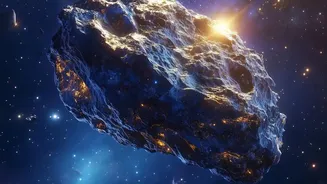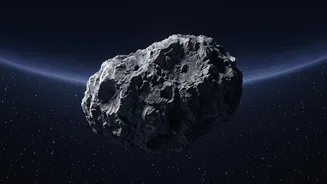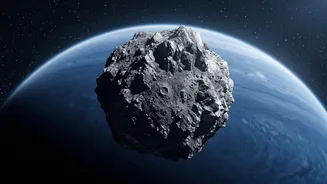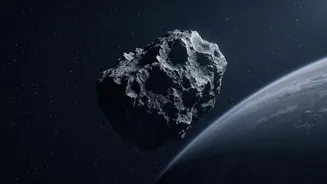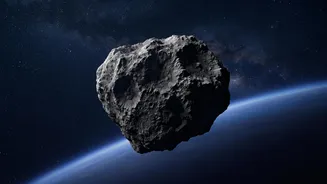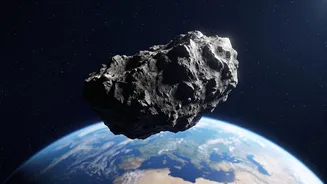



It may be no bigger than a city bus, but Near-Earth Object 1998 KY26 is one of the most intriguing rocks in our cosmic neighbourhood. This tiny asteroid's incredible speed and unusual nature have made it a prime target for scientific study.
A Tiny Cosmic Wanderer
First discovered
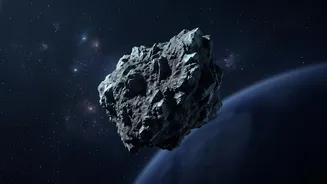
in 1998, the near-Earth asteroid known as 1998 KY26 is a minuscule object by cosmic standards. The latest estimates put its diameter at just 11 metres, or about 36 feet. It belongs to a class of celestial bodies called Apollo asteroids, which have Earth-crossing orbits. While its trajectory brings it close to our planet, it is not considered a potentially hazardous object, as simulations show no imminent threat of collision. Despite its small size, its unique properties have captured the attention of scientists worldwide, turning what could have been an overlooked space rock into a subject of intense interest and the destination for a daring space mission.
The Fastest Spinner
What truly sets 1998 KY26 apart is its astonishing rotation speed. It completes a full spin on its axis in just over five minutes. This makes it one of the fastest-rotating objects ever observed in our solar system. This rapid spin has significant implications for its structure. The centrifugal force at its surface is believed to exceed its own gravity, suggesting it is not a loose collection of rubble like many larger asteroids. Instead, scientists theorise it is most likely a monolithic, solid piece of rock. Recent observations indicate it is a bright, E-type or Xe-type asteroid, possibly a fragment from a larger parent body that was shattered in a collision long ago.
A New Target for Hayabusa2
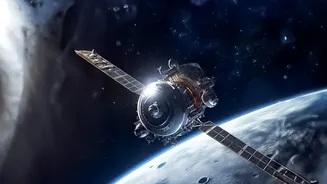
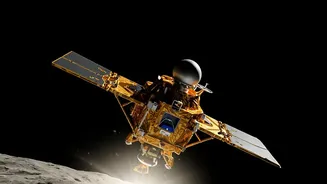
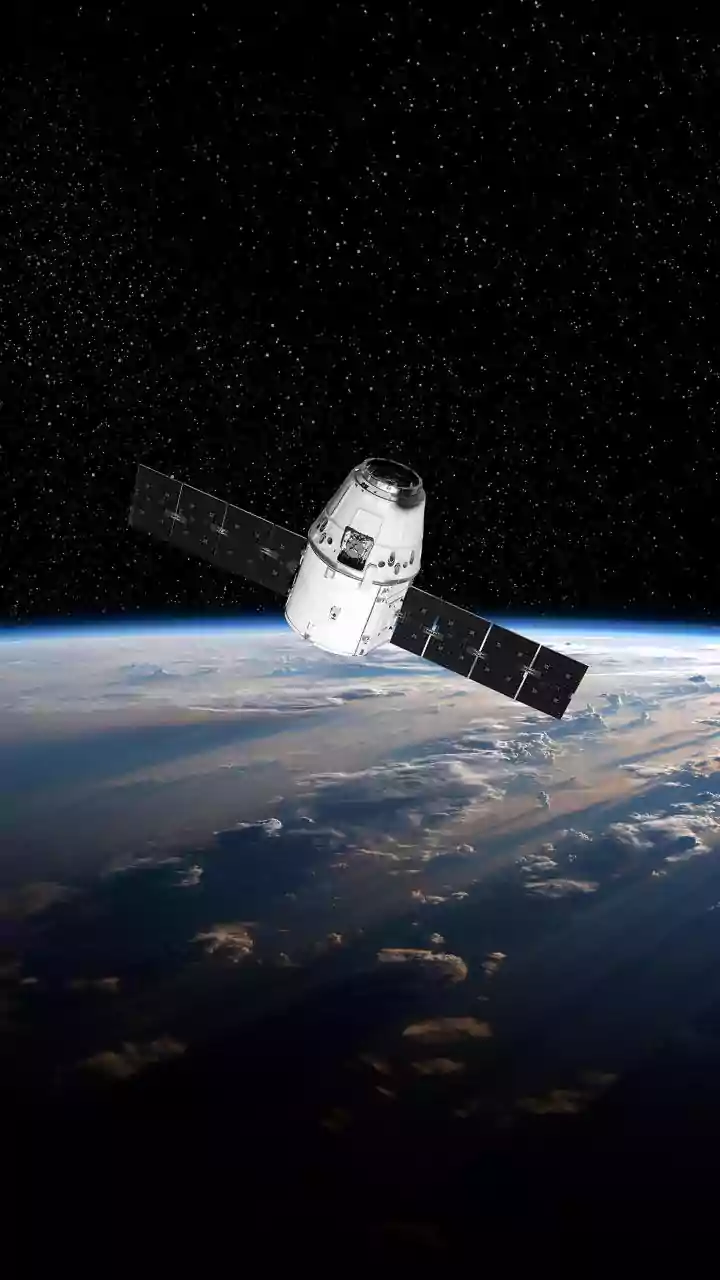
The asteroid's fascinating characteristics made it the perfect candidate for an extended mission by the Japan Aerospace Exploration Agency's (JAXA) Hayabusa2 spacecraft. After successfully returning samples from the larger asteroid Ryugu in 2020, JAXA sent the probe on a new, decade-long journey to rendezvous with 1998 KY26, with an expected arrival in July 2031. This will be the first time a spacecraft has visited such a small, 'decametre-scale' asteroid. The mission, dubbed Hayabusa2♯ (Sharp), aims to study the physical properties of this new class of object, providing an unprecedented up-close look. Scientists hope the mission will reveal secrets about how these tiny bodies form and behave.
Small Asteroids, Big Questions
Studying objects like 1998 KY26 is crucial for two main reasons: understanding the solar system's past and protecting Earth's future. Asteroids are remnants from the formation of the planets, holding clues about the materials and conditions that existed billions of years ago. Exploring a body that is essentially a single boulder can help us compare it to the rubble-pile asteroids visited previously, deepening our knowledge of solar system evolution. Furthermore, this research is a vital part of planetary defence. While large, dinosaur-killing asteroids are rare, smaller objects in the tens of metres can and do strike Earth more frequently, capable of causing regional devastation like the 2013 Chelyabinsk event. Understanding the composition and structure of these small but common asteroids is key to developing effective strategies to deflect a potential threat.
The Challenges of Exploration
The Hayabusa2 mission to 1998 KY26 will not be easy. The asteroid's incredibly fast spin and tiny size make the planned rendezvous exceptionally challenging. The original mission to the 900nd metrendered Ryugu was complex, but landing on or even collecting a sample from a rapidly rotating 11nd metrendered rock will require a new level of precision. Scientists will use the coming years to refine their models of the asteroid's orbit and physical state to prepare for the encounter. Some recent studies have even tried to explain a slight, unusual acceleration in its orbit, exploring theories from outgassing to solar radiation pressure. The answers to these puzzles will have to wait until Hayabusa2 arrives, promising a thrilling new chapter in our exploration of the small worlds that share our solar system.