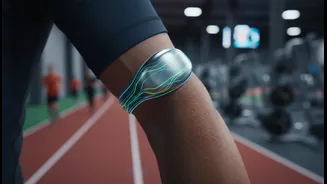








What is a Continuous Glucose Monitor?
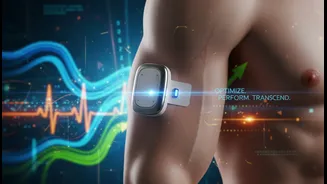
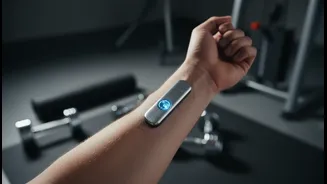
A CGM is a wearable device that tracks your glucose (sugar) levels around the clock. It uses a tiny, flexible filament inserted just under the skin, usually on the back of the arm, to measure glucose in the interstitial fluid—the fluid between your cells.
This sensor then wirelessly sends data to a smartphone app every few minutes, providing a constant stream of information about how your body's energy source is fluctuating. Originally developed for people with diabetes to manage their insulin and blood sugar, this technology is now being embraced by the wellness community.
The Quest for Stable Energy
The primary motivation for many fitness enthusiasts is the pursuit of stable energy. Large swings in blood sugar can lead to performance-killing energy crashes, sometimes known as "bonking" in endurance sports. By watching their glucose levels in real-time, users can see how their body reacts to meals and snacks. The goal is to avoid sharp spikes, which are often followed by steep drops, leading to fatigue. Maintaining more stable glucose levels can translate to sustained energy throughout a workout and the entire day, helping athletes train harder and feel better.
Personalising Nutrition and Fuelling
One of the most powerful applications of CGM for athletes is personalising their nutrition. How one person’s glucose responds to a banana can be vastly different from another's. A CGM offers immediate feedback on which foods provide a steady stream of fuel and which cause an undesirable spike. This allows for precise optimisation of pre-workout meals to ensure glycogen stores are topped up, intra-workout fuelling to prevent bonking during long sessions like marathons, and post-workout nutrition to speed up recovery. It turns dietary guesswork into a data-driven strategy tailored to one's unique metabolism.
The Gamification of Health
Beyond the physiological benefits, there's a strong psychological appeal. Much like tracking steps, heart rate, or sleep, monitoring glucose can feel like a game. The instant feedback loop—eat a meal, see the graph—can be highly motivating for those looking to improve their health habits. This gamification encourages users to experiment with different foods, meal timings, and exercise to see if they can achieve a 'better score' in the form of a more stable glucose line. For the data-driven individual, it’s another metric to master on the path to peak performance.
What Do the Experts Say?
While the trend is growing, the medical community remains cautious. Experts point out that the majority of research on CGMs has been done on people with diabetes. For healthy, non-diabetic individuals, there is limited evidence to prove long-term benefits. Some studies even suggest that commercial CGMs can overestimate blood sugar levels in healthy people compared to traditional finger-prick tests. There's also concern about potential downsides, such as data overload causing unnecessary anxiety over normal glucose fluctuations, or even fostering obsessive behaviours around food. In fact, clinical experts show poor agreement on how to interpret CGM reports from people without diabetes, highlighting the need for more research.
Availability and Cost in India
For those in India curious about trying a CGM, several brands like Abbott's FreeStyle Libre, Ultrahuman, and GoodFlip are available through online platforms and pharmacies. However, the cost can be a significant factor. A single sensor, which typically lasts for 14 days, can cost several thousand rupees, and transmitters may be an additional expense. Since this is considered an off-label use for wellness purposes, it is generally not covered by insurance, making it a considerable out-of-pocket investment for those simply looking to optimise their fitness.