






The Wild Jewel of the Forest
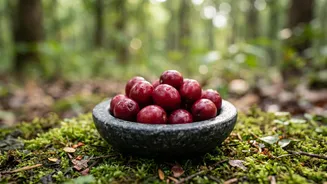
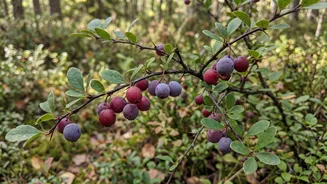
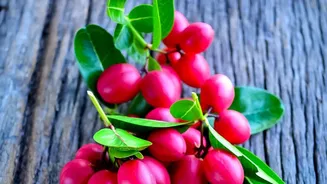
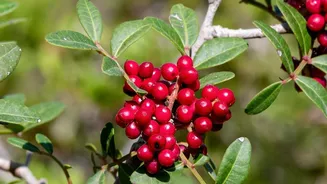
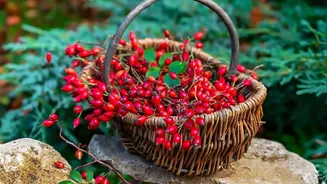
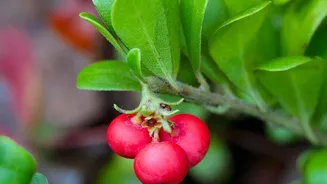
Deep in the arid landscapes of Karauli's Dang forest, a small, resilient fruit thrives without human intervention. Known locally as 'ber' or 'jharber', this wild berry (often identified as Ziziphus nummularia) is a cornerstone of the regional ecosystem.
For generations, communities have harvested this fruit, which ripens under the winter sun, relying on it as a seasonal delicacy and a source of sustenance. Often called the 'apple of the forests', it grows wild, sustained by nature alone, highlighting the rich biodiversity of the area. This hardy shrub not only provides food for humans but also for local fauna, playing a vital role in the ecological balance of the dry, rugged terrain. Its ability to flourish in harsh conditions makes it a symbol of resilience and a valuable natural resource for the region.
A Legacy of Traditional Beliefs
The wild beri is more than just a fruit; it's woven into the cultural and medicinal fabric of the region. Traditional healers and village elders have long touted its benefits. Folk wisdom suggests that the berry is a natural immunity booster, an aid for digestion, and a source of energy to endure harsh winters. These claims are rooted in centuries of observation and use, passed down through generations. The fruit is often eaten fresh, but also mixed with millet flour or jaggery. In many rural households, it is considered a crucial part of the winter diet, believed to fortify the body against common ailments. This deep-seated belief in its efficacy has cemented the berry's status as a powerful, natural remedy in the collective consciousness of the local population.
The Search for Scientific Validation
When we move from traditional knowledge to scientific analysis, the picture becomes more nuanced. Research into Ziziphus species, including Ziziphus nummularia, confirms that the fruit is indeed nutritious. Studies highlight its significant content of Vitamin C, often more than what is found in an apple. It is also a good source of dietary fibre, which supports digestive health. Furthermore, analysis reveals the presence of antioxidants, such as flavonoids and polyphenols, which are compounds known to combat cellular damage in the body. A 2024 study focusing on the seeds of Ziziphus nummularia found them to be remarkably high in protein (38.7%) and lipids (23.1%), with strong antioxidant activity, suggesting their potential as a valuable food ingredient. However, many of the broader medicinal claims—such as specific anti-cancer or potent anti-inflammatory properties—are based on preliminary studies, often in labs, and lack robust human clinical trials.
Myth vs. Reality: A Healthy Food, Not a Miracle
So, where does this leave the consumer? The evidence suggests that Karauli's wild beri is a genuinely healthy food. It is nutrient-dense, packed with Vitamin C, fibre, and beneficial antioxidants. Incorporating it into a balanced diet can certainly contribute to overall wellness. However, it is crucial to separate these nutritional benefits from unsubstantiated 'superfood' hype. The term 'miracle cure' is not supported by current scientific consensus. While the berry contains bioactive compounds with potential therapeutic properties, much more research is needed to confirm these effects in humans. The danger lies in viewing the fruit as a standalone solution for complex health problems. Enjoying the wild beri for its taste and proven nutritional value is sensible; expecting it to cure diseases is where belief outpaces evidence.