





A Foundation Built on History
The story of Hindi cinema is inseparable from the story of Mumbai. The city hosted India's first-ever film screening in 1896 and was where Dadasaheb Phalke, the 'Father of Indian Cinema', produced the first full-length Indian feature film, 'Raja Harishchandra',
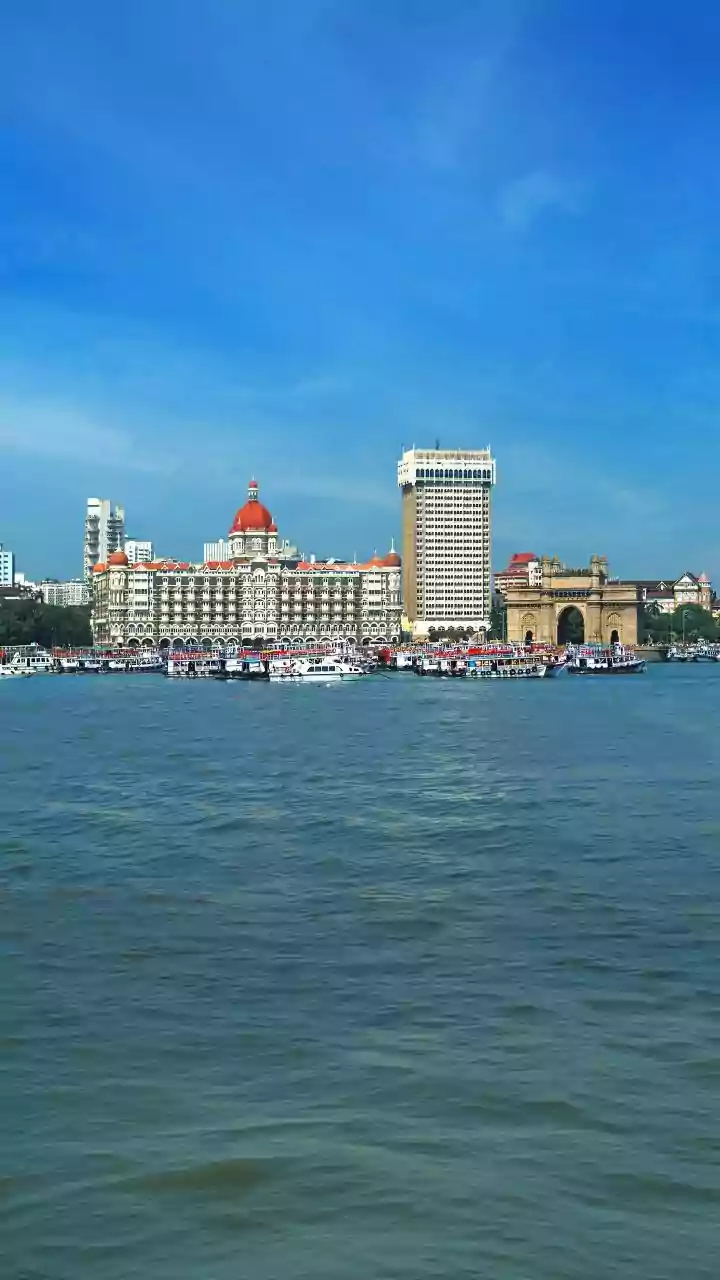
in 1913. As a cosmopolitan port city and the nation's financial hub, Bombay, as it was then known, was a natural magnet for capital and diverse talent. Key historical events, like the partition of India, led to an influx of filmmakers and artists from cultural centers like Lahore, cementing Mumbai's position. This historical head start created a gravitational pull that has proven almost impossible to escape.
An Unmatched Creative Ecosystem
Mumbai's biggest advantage is its dense, self-sustaining ecosystem of talent and infrastructure. It's not just about the superstars whose homes dot the suburbs of Bandra and Juhu; it's about the vast, multi-layered network of writers, technicians, editors, musicians, and daily-wage workers who form the industry's backbone. This concentration means that everything and everyone needed to make a film is within reach. Aspiring artists from across the country migrate to Mumbai, knowing it is the one place where opportunities, collaborations, and mentorships are most likely to happen. This constant infusion of new talent keeps the industry dynamic and innovative.
The Infrastructure Powerhouse
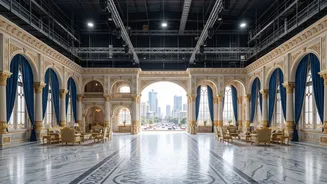
While other states are developing film cities, Mumbai's infrastructure remains unparalleled in its scale and specialization. The heart of this is the Dadasaheb Phalke Chitranagari, better known as Film City. Established in 1977 and spread over more than 500 acres, it offers a vast array of studios, permanent sets (like courts and temples), and outdoor locations. Beyond this, the city is packed with world-class post-production houses, sound stages, animation and VFX studios, and equipment rental companies. This allows filmmakers to manage entire production workflows, from shooting to final edits, within a single city, a logistical advantage that is hard to replicate.
The Financial and Corporate Center
Filmmaking is as much about business as it is about art, and Mumbai is India's undisputed financial capital. The city is home to the major production houses, from legacy studios to modern corporate entities, that finance and distribute a majority of Hindi films. This proximity to financiers, banks, and corporate sponsors makes it easier to secure funding and manage the complex financial logistics of film production. While individual producers once dominated, the rise of integrated studios that handle everything from production to marketing has further centralized the industry's financial operations in Mumbai.
Adapting to Stay Ahead
Mumbai's dominance is not without its challenges. The city is notoriously expensive, and navigating its bureaucracy and traffic can be a filmmaker's nightmare. In recent years, states like Uttar Pradesh and Madhya Pradesh have rolled out attractive subsidies to lure productions away. Filmmakers often shoot on location across India and the world for authenticity or cost benefits. However, these are often temporary excursions. The pre-production planning and post-production work almost invariably bring them back to their Mumbai base. Recognizing the competition, Maharashtra's government is planning a massive, ₹3,000-crore redevelopment of Film City to modernize its facilities and maintain its competitive edge for cinema, television, and OTT productions.