





Why Morning Sun Wins
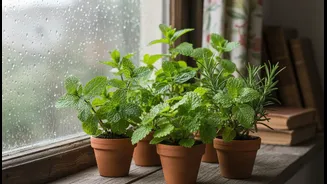
Not all sunlight is created equal. Morning sun, which graces our gardens from sunrise until early afternoon, is less intense. The light arrives at a lower angle, providing energy for photosynthesis without the stress of extreme heat. This helps delicate
leaves stay hydrated and prevents scorching. Afternoon sun, by contrast, is direct, hot, and can quickly dry out soil, causing plants to wilt and lose their vigour. Watering in the morning is also most effective, as it allows the plants to absorb moisture before the peak heat of the day, reducing evaporation and ensuring the roots stay cool.
Herbs That Love a Gentle Start
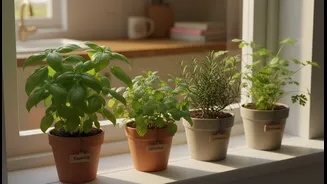
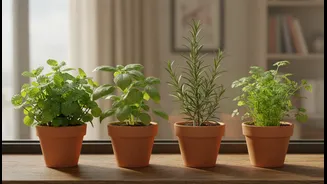
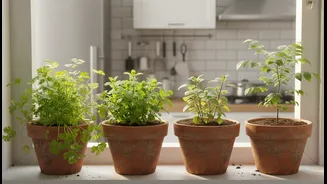
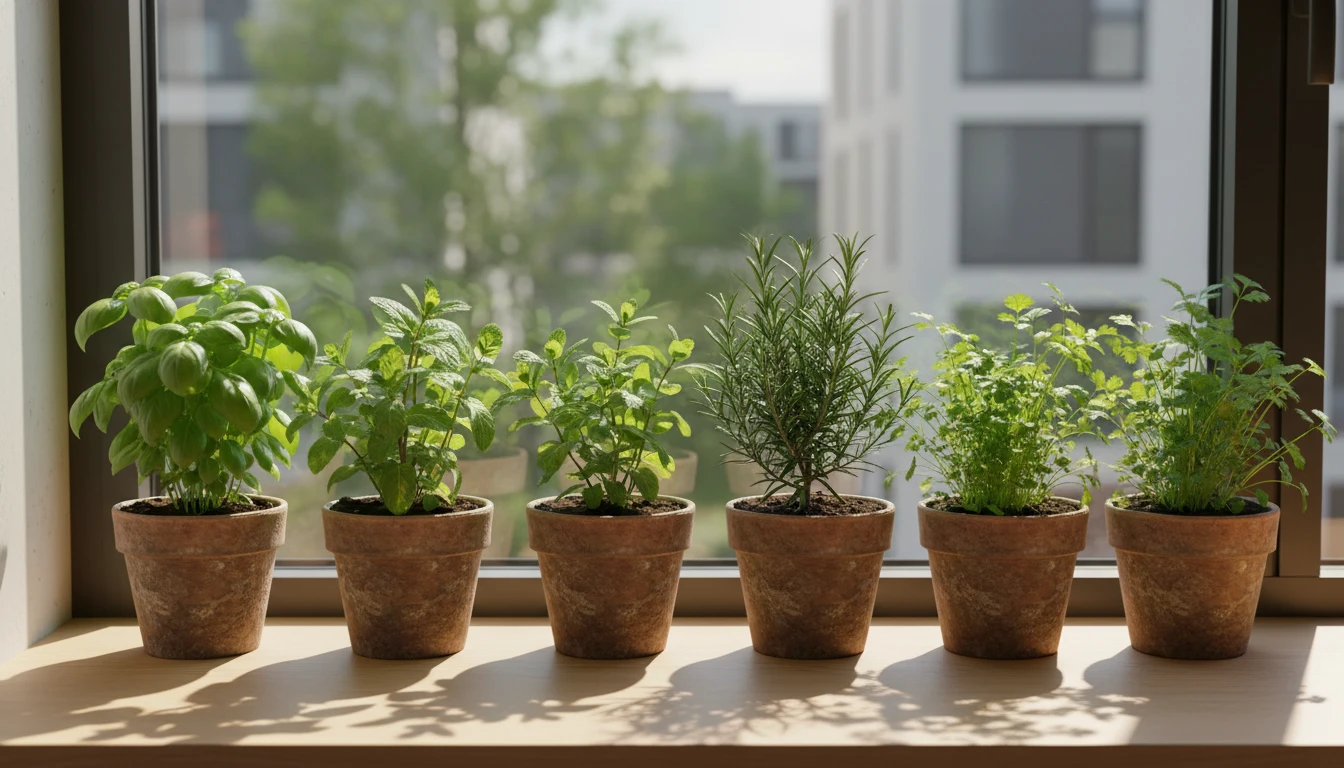
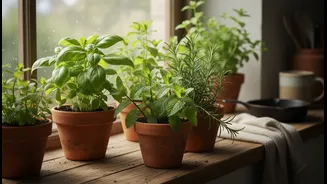
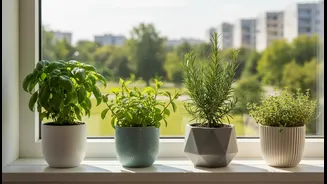
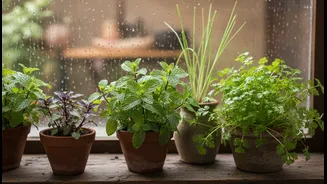
Many herbs, especially those with tender leaves, flourish when given a dose of morning sun followed by afternoon shade. In hot climates, this protection is crucial to prevent them from bolting, which is when a plant flowers and goes to seed prematurely, often affecting the flavour of its leaves. Herbs that particularly appreciate this gentler schedule include Coriander (Dhaniya), Mint (Pudina), and Parsley. Basil (Tulsi), while generally a sun-lover, also benefits from some afternoon shade in the intense heat of an Indian summer to prevent its leaves from scorching. Even herbs like Chives and Dill prefer to avoid the harshest afternoon rays.
What About Sun Worshippers?
Of course, some herbs are built for the heat. Mediterranean natives like Rosemary, Thyme, Oregano, and Sage are conditioned to thrive in full, direct sun for six or more hours a day. Their tough, often needle-like or woody leaves are designed to minimize water loss. These are excellent choices for the sunniest, most exposed parts of your balcony or garden. However, even these hardy varieties can benefit from a little care during peak summer heatwaves. Ensuring they are well-watered and have good soil drainage will help them withstand even the most challenging conditions. In extremely hot regions, even these sun-lovers won't complain about a little filtered light during the hottest part of the afternoon.
Practical Tips for Your Garden
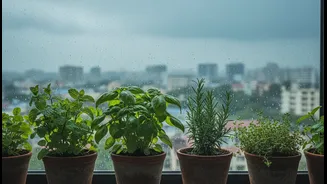
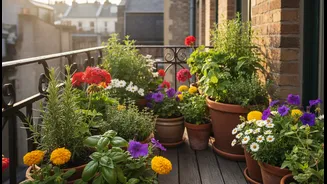
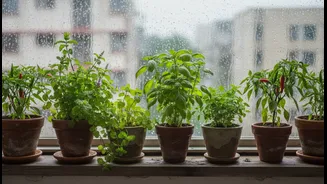
Creating the right light conditions is key to a successful herb garden. If you have an east-facing balcony or window, you're in luck – it’s the perfect spot for morning-sun lovers. For west-facing spaces that receive intense afternoon light, you may need to be more strategic. You can create shade by placing taller, more sun-tolerant plants in front of delicate herbs. Another effective method is using a shade cloth, an old bedsheet, or a simple garden umbrella to filter the intense sunlight during the hottest hours, typically between 1 PM and 4 PM. For potted plants, the solution can be as simple as moving them to a shadier spot during the afternoon. Finally, adding a layer of mulch (like bark chips or straw) to the soil surface helps retain moisture and keeps the roots cool, providing an extra layer of protection against the heat.