




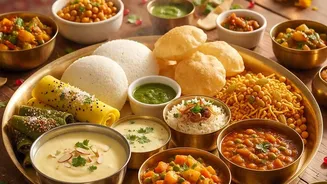
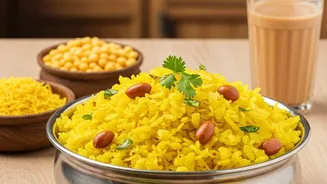
In the hustle of city life, a quiet revolution is simmering in the kitchens of young urban parents. They are trading convenience for heritage, turning to the familiar comfort of traditional family recipes for their daily meals. But why now?
A Recipe for Connection
For many young
parents living in cities, often far from their hometowns, cooking a dish from a family recipe is about more than just food; it's a powerful act of connection. In a world of fleeting digital interactions, the sensory experience of recreating a grandmother's dal or a mother's signature biryani offers a tangible link to one's roots and identity. These recipes, often passed down through generations in handwritten notebooks, serve as family heirlooms, carrying stories of celebration, migration, and love within their smudged pages. Preparing these meals becomes a way to keep the past alive, making a new city feel a little less lonely and a lot more like home.
The New Health Consciousness
Beyond the emotional pull of nostalgia, a significant driver is the growing awareness around health and wellness. Concerns about the quality, high sodium content, and preservatives in restaurant and delivery meals have prompted many to take control of their family's nutrition. Cooking at home allows parents to choose fresh, high-quality ingredients, control portion sizes, and avoid unwanted additives. This shift is part of a larger movement towards mindful eating, where food is seen as nourishment. Traditional Indian cooking, with its emphasis on balanced food groups and the health properties of spices, aligns perfectly with this modern pursuit of a healthier lifestyle for both parents and their children.
A Classroom in the Kitchen
For parents, the kitchen has transformed into a cultural classroom. Cooking traditional dishes is an immersive way to introduce children to their heritage. It’s an opportunity to teach them about the ingredients, flavours, and stories that define their family's regional identity. As children help wash lentils, knead dough, or simply watch the process, they absorb invaluable lessons about their culture that can't be taught from a textbook. This hands-on experience strengthens family bonds and ensures that culinary traditions, a vital part of cultural identity, are preserved and passed down to the next generation.
The Economics of Eating
Practicality also plays a major role in this culinary revival. In an era of rising costs, cooking at home is significantly more economical than relying on food delivery apps. Parents find that it allows for better budget management and reduces food waste, as meals can be planned and ingredients used more efficiently. Furthermore, there is a growing consciousness about the environmental impact of food delivery, particularly the amount of plastic packaging involved. For many, choosing to cook is a deliberate step towards a more sustainable and financially prudent lifestyle, without sacrificing flavour or quality.
Finding Solace in the Simmer
In today's fast paced, digitally saturated world, the simple act of cooking can be a form of mindfulness and a much needed escape. The process of chopping, stirring, and following a recipe demands focus, offering a welcome break from screen time and work pressures. Many young professionals see cooking not as a chore, but as a creative and relaxing outlet—a form of self love. The quiet rhythm of the kitchen can reduce stress and provide a sense of accomplishment. This trend is amplified by social media, where sharing home cooked meals has become a way to connect with others and showcase creativity, turning a daily necessity into a joyful and celebrated activity.