






The Price of AI Supremacy
To understand Meta's future, first look at its shopping list. The company has forecasted capital expenditures (capex) of $135 billion to $145 billion for 2026, a staggering figure dedicated largely to building the physical backbone for its artificial
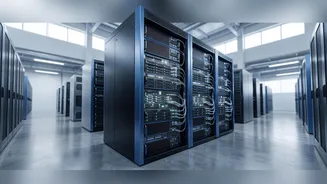
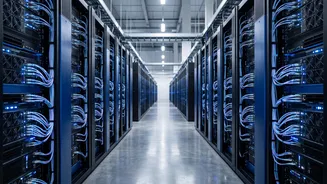
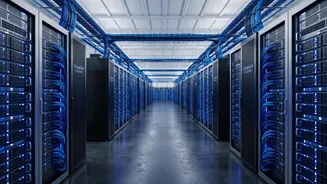
intelligence ambitions. This isn't money for software engineers or marketing; it's for the raw, heavy-metal foundation of AI: data centers, servers, networking equipment, and, most importantly, the specialized chips that power AI models. This spending spree, which has seen capex rise dramatically from previous years, is a clear signal of CEO Mark Zuckerberg’s commitment to not just participate in the AI race but to dominate it. The investment will fund a massive expansion of computing power needed to train and deploy the increasingly sophisticated AI models the company believes will define its next chapter.
A New Leader for a New Era
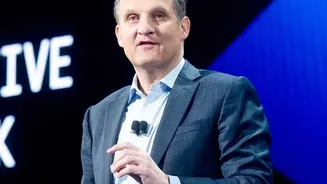
Overseeing this colossal investment requires a specific kind of expertise. In a strategic move announced in November 2026, Meta revealed that Santosh Janardhan, a 17-year veteran who was instrumental in building the company's global infrastructure, will step down in early 2027. His replacement is David Brown, a former senior vice president from Amazon Web Services (AWS) who joined Meta just months earlier in July 2026. This is more than a routine executive shuffle. Hiring a veteran from AWS—the world's largest cloud infrastructure provider—indicates Meta is adopting a new playbook. Brown's experience in managing hyperscale cloud operations is precisely what Meta needs to effectively deploy its unprecedented capital and scale its AI infrastructure with maximum efficiency. The message is clear: to build the future of AI, Meta is looking to leaders who have already built the cloud.
The Strategic Pivot to Custom Hardware
A significant portion of Meta's spending is aimed at reducing its reliance on third-party chipmakers. The company is aggressively accelerating the development of its own custom silicon, a project aimed at creating processors specifically tailored to its AI workloads. This vertical integration strategy, similar to moves by Google and Amazon, serves two key purposes. First, custom chips can be designed for maximum efficiency, potentially lowering the immense energy and operational costs of running massive AI models. Second, it insulates Meta from the volatile and highly competitive global market for AI accelerators. By designing its own hardware, Meta gains control over its technological roadmap, ensuring its infrastructure is perfectly aligned with its software and AI models like the Llama series. This hardware sovereignty is considered crucial for long-term success in the AI field.
Connecting Spending to Strategy
The leadership change and the enormous capex budget are two sides of the same coin. Janardhan's departure marks the end of an era focused on scaling infrastructure for social media. Brown's arrival signals a new phase laser-focused on building a hyper-efficient, AI-first foundation. His primary task will be to ensure that the $135-145 billion investment translates directly into the computing capacity needed to achieve Zuckerberg's vision of 'personal superintelligence'. This vision involves AI agents that are deeply integrated into users' lives across all of Meta's platforms—Facebook, Instagram, and WhatsApp—and future devices like smart glasses. This ambitious goal requires an infrastructure that can handle trillions of operations per second, a challenge Brown was hired to solve.