





An Ancient Drink for Modern Ailments
Kanji is a traditional fermented drink, popular in North Indian states like Punjab, Uttar Pradesh, and Rajasthan, especially during the winter and the festival of Holi. It's made using a few simple ingredients: black carrots (kali gajar), water, salt,
and coarsely ground mustard seeds. The mixture is left to ferment in the sun for several days, a process that transforms it into a beverage with a distinctive sharp, sour, and pungent taste. For generations, it has been cherished not just for its unique flavour but as a seasonal health tonic passed down through families, valued for its digestive properties long before probiotics became a wellness buzzword.
The Science Behind the Ferment
The magic of kanji lies in lacto-fermentation. During the fermentation process, naturally present microflora, primarily Lactobacillus bacteria, break down the sugars in the carrots. This creates lactic acid, which not only preserves the drink but also gives it its characteristic tangy flavour. More importantly, this process cultivates a rich population of probiotics—live, beneficial bacteria that are crucial for a healthy gut microbiome. A healthy gut environment is linked to improved digestion, better nutrient absorption, and a stronger immune system, as a significant portion of our immune cells reside in the gut.
Black Carrots: A Nutritional Powerhouse
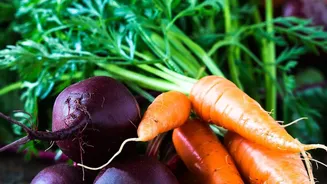
While the fermentation provides the probiotics, the star ingredient, the black carrot, brings its own formidable health benefits. The deep purple colour comes from a high concentration of anthocyanins, which are powerful antioxidants. These compounds help protect the body's cells from oxidative stress and have anti-inflammatory properties. Beyond antioxidants, black carrots are an excellent source of dietary fibre, which aids in smooth digestion and prevents constipation. They are also rich in beta-carotene, which the body converts to Vitamin A, essential for good vision and immune function.
Why the Sudden Comeback?
The resurgence of kanji is part of a larger movement towards rediscovering traditional food wisdom. In a post-pandemic world, there is heightened awareness around immunity and gut health, leading many to seek natural, unprocessed solutions over packaged supplements. Consumers are increasingly looking for 'functional foods' that offer benefits beyond basic nutrition. Social media has also played a significant role, with food influencers and wellness advocates reintroducing forgotten recipes to a new generation. This growing interest has seen kanji move from home kitchens to cafe menus and farmers' markets, repositioned as an indigenous superfood.
How to Embrace the Kanji Trend
Making kanji at home is surprisingly simple. It involves washing and cutting black carrots into sticks and placing them in a large, clean glass or ceramic jar. Coarsely ground mustard seeds, salt, and sometimes other spices like red chilli powder or black salt are added. The jar is then filled with water, covered with a muslin cloth, and left in a warm, sunny spot for three to five days. It's important to stir the mixture daily with a clean spoon. The kanji is ready when it develops a pleasant sour and tangy aroma. It can then be refrigerated and served chilled as a refreshing appetiser or a digestive aid.