


The Golden Rule: The Quarter Plate Method
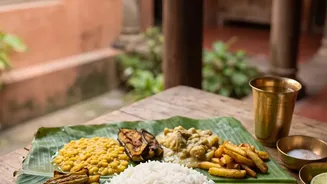
The most effective way to balance your meal is to visually divide your plate. Imagine it split into four equal parts. Fill half your plate (two quarters) with sabzi, or a combination of cooked vegetables and a fresh salad. Dedicate one quarter to pulses
like dal, sambar, chana, or rajma. The final quarter is for your carbohydrates, which is where the rice goes. This simple visual guide, recommended by nutritionists, ensures you are prioritising fibre and vitamins from vegetables, getting adequate protein from pulses, and using carbohydrates for what they are best at: providing energy.
Understanding Each Player's Role
Each component of your thali has a specific job. Rice and other grains are primarily carbohydrates, your body's main source of fuel. Pulses (dals and legumes) are the protein powerhouse, crucial for building and repairing tissues, and for providing a feeling of fullness, or satiety, which prevents overeating. Sabzi, made from a variety of vegetables, delivers essential vitamins, minerals, and dietary fibre. Fibre is critical for digestive health and helps slow down the absorption of sugar into the bloodstream, preventing energy spikes and crashes.
Choose Your Carbohydrates Wisely
Not all rice is created equal when it comes to nutrition. While white rice provides quick energy, it is a refined carbohydrate that can cause a rapid spike in blood sugar. For more sustained energy, consider switching to brown rice or other whole grains like millets (jowar, bajra, ragi). These are complex carbohydrates that contain more fibre, which slows down digestion and leads to a more gradual release of energy. If you stick with white rice, pairing it correctly becomes even more important. A generous portion of dal and sabzi will provide the fibre and protein needed to blunt the sharp glucose response.
Maximise Protein with Pulses
The combination of rice and pulses creates a 'complete protein', providing all the essential amino acids your body needs, similar to what you would get from meat or eggs. India has a vast variety of dals and legumes—toor, moong, masoor, chana, rajma, and more. Try to rotate them throughout the week to benefit from their different nutritional profiles. To ensure you’re getting enough, aim for about one to one-and-a-half katoris (a standard small bowl) of cooked dal or legumes with your meal. This portion helps ensure you feel full and satisfied, reducing the tendency to load up on extra rice.
Load Up on a Rainbow of Sabzi
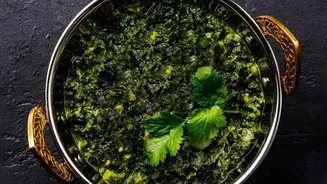
Vegetables should be the star of your plate, occupying half the space. Aim for a 'rainbow' of colours in your sabzi choices throughout the week—leafy greens, orange carrots, red tomatoes, purple brinjal, and white cauliflower. Each colour represents different vitamins and antioxidants. For instance, leafy greens are rich in iron, while orange and red vegetables provide Vitamin A. Cooking methods also matter; lightly steaming or stir-frying vegetables helps retain more nutrients compared to over-boiling or deep-frying. Don't forget to include a simple raw salad (kachumber) of cucumber, tomato, and onion to add more fibre and freshness to your meal.
The Finishing Touches for a Complete Meal
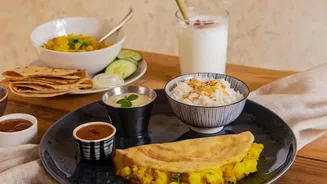
A truly balanced meal also considers healthy fats and probiotics. A teaspoon of ghee on your rice or roti not only adds flavour but also provides healthy fats. A small bowl of curd (dahi) on the side is an excellent source of probiotics, which are beneficial for gut health and aid in digestion. While pickles (achar) and papad are traditional accompaniments, they should be consumed in moderation due to their high salt content. Finally, sipping on a glass of water or buttermilk during your meal can help with hydration and prevent overeating.