



So, What Is a Rain Shadow?
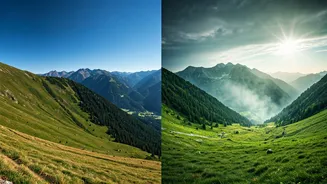
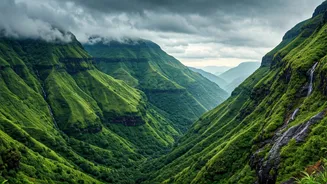
Before you can pack your bags, let's quickly break down the science, which is simpler than it sounds. A rain shadow is a dry area on one side of a mountain range. Prevailing winds carry moisture from the sea, and when this moist air hits a mountain, it's
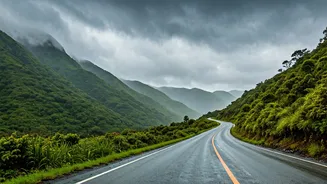
forced to rise and cool. This cooling process causes the air to release its moisture as rain on the 'windward' side of the mountain — the side facing the wind. By the time the air crosses over the mountain to the 'leeward' side, it has lost most of its moisture. This now-dry air descends, warms up, and creates a pocket of arid, sunny climate, literally a 'shadow' from the rain.
The Rise of a Weather-Proof Trend
So why is this geographical quirk suddenly a travel buzzword? In an era of increasingly unpredictable weather, travellers are looking for more reliable holiday plans. The idea of finding a sunny, dry spot during the peak monsoon season is incredibly appealing. It's a strategic way to travel, using geography to your advantage. This trend allows you to enjoy the benefits of off-season travel — fewer crowds, potentially lower prices — without the primary drawback of bad weather. It’s about being smarter with your travel choices and finding hidden gems that are shielded from the monsoon's full force.
India’s Prime Rain-Shadow Spots
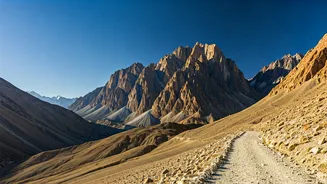
India, with its dramatic mountain ranges, is full of fantastic rain-shadow destinations perfect for a monsoon escape. The most famous example is Ladakh. Protected by the massive Himalayan range, Ladakh remains an arid, high-altitude desert that receives very little rainfall, making it an ideal destination from June to September when much of the country is drenched. Similarly, the Western Ghats create a significant rain shadow over the Deccan Plateau. While the coastal side of the Ghats receives heavy rainfall, the leeward side, encompassing parts of Tamil Nadu and Maharashtra, remains significantly drier. Cities like Pune, for example, lie in this rain-shadow region, experiencing a semi-arid climate. The Lahaul and Spiti valleys in Himachal Pradesh are other prime examples, offering stark, beautiful landscapes that stay dry during the monsoon.
The Allure of the Dry Side
Choosing a rain-shadow destination offers more than just dodging storms. These regions often boast unique landscapes that you won't find in their rainy counterparts. Think of the barren, lunar-like beauty of Ladakh or the scrublands of the Deccan Plateau. The climate encourages different flora and fauna, offering a unique ecological experience. For travellers, this means enjoying outdoor activities like trekking, biking, and sightseeing without interruption. In places like Ladakh, the monsoon months are actually the peak season for tourism precisely because the weather is so pleasant and the access roads are clear, while other Himalayan regions are prone to landslides.
Planning Your First Rain-Shadow Trip
Ready to try it for yourself? If Ladakh is your destination, consider flying directly into Leh to avoid potentially risky road conditions on the approach highways, which do get monsoon rains. Once there, the weather is typically clear and perfect for exploring places like Nubra Valley and Pangong Lake. For a trip to the Deccan Plateau's rain-shadow areas, you can explore the historic sites and unique terrain around Pune or parts of interior Tamil Nadu. Regardless of where you go, remember that 'rain shadow' doesn't mean 'zero rain ever'. Unseasonal showers can happen, so packing a light jacket or rain gear is always wise. The main advantage is that sustained downpours are far less likely, giving you the freedom to explore with confidence.