



The Anatomy of a Craving
Why this specific desire for fried food when the weather turns? It's a combination of sensory logic and tradition. The monsoon brings a cool dampness that seeps into everything. Our bodies instinctively seek warmth and comfort. What could be a better
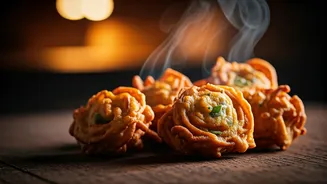
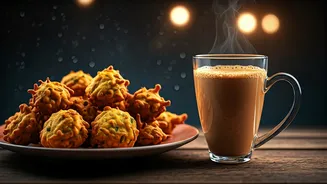
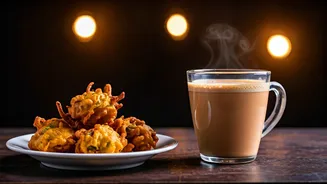
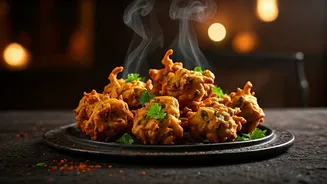
antidote to the grey, wet world outside than a plate of golden, deep-fried fritters, crackling with heat? The contrast is everything. The crisp, crunchy exterior of a pakora gives way to a soft, steaming interior—a perfect textural battle against the sogginess of the season. It’s a multi-sensory experience: the sizzle of the batter hitting hot oil, the fragrant steam that rises from the plate, the satisfying crunch that momentarily drowns out the sound of the rain. This isn’t just about hunger; it's about creating a pocket of warmth and joy in the middle of a deluge.
A Hero in Many Forms
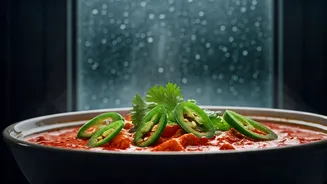
The genius of the pakora lies in its democratic and versatile nature. It’s not one single dish, but a universe of possibilities. Every region, and indeed every household, has its own signature version. There are the classic pyaaz ke pakore (onion fritters), with their irresistible sweetness, and the hearty aloo pakore (potato slices). There's the earthy goodness of palak (spinach) pakoras and the creamy surprise of paneer pakoras. For the more adventurous, there are fiery mirchi bajjis, where whole green chillies are battered and fried, offering a thrilling jolt of heat. From bread pakoras sold at railway stations to the delicate cauliflower gobi pakoras served at home, this hero adapts. It can be made with whatever is on hand—a few leftover vegetables, a bit of besan (gram flour), and a handful of spices. This adaptability makes it the ultimate comfort food, accessible to everyone, everywhere.
More Than Just a Snack
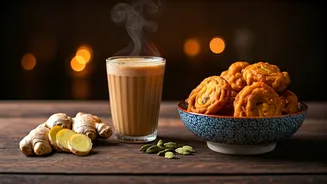
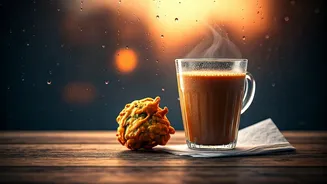
To reduce the pakora to a mere snack is to miss the point entirely. Pakoras are an event. They are a catalyst for connection. The decision to make pakoras is often a communal one, a spontaneous celebration of the rain. It’s the announcement that brings family members out of their rooms and into the kitchen. It’s the excuse to pause work, brew a fresh batch of adrak wali chai, and gather by the window to watch the downpour. Roadside stalls, or 'thelas', do brisk business, with people huddling under umbrellas and tarps, sharing a plate wrapped in newspaper. In these moments, the pakora transcends its ingredients. It becomes a shared experience, a vessel for conversation, laughter, and the simple act of being together. It’s a ritual that strengthens bonds and creates memories.
A Bite of Comfort and Nostalgia
For many, the love for pakoras is deeply rooted in nostalgia. The taste is inextricably linked to childhood memories: of a mother or grandmother expertly dropping spoonfuls of batter into a sizzling kadai, of waiting impatiently for the first batch to be ready, of burning your tongue because you just couldn't wait. It’s the taste of rainy-day school holidays, of lazy afternoons spent with family, of comfort doled out on a plate. Each bite is not just a combination of flour, spice, and vegetable; it’s a taste of home. This emotional connection is what elevates the pakora from simple food to a cultural icon. It’s a culinary heritage passed down through generations, a consistent source of comfort in an ever-changing world.