






Beyond Butter Chicken and Biryani
For years, ordering 'Indian food' in a major city meant choosing from a familiar, standardized menu. While delicious, these offerings barely scratched the surface of the subcontinent's true culinary diversity. Now, a significant shift is underway. Consumers
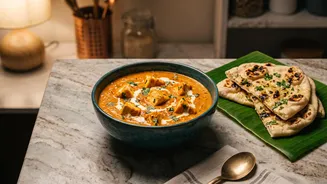
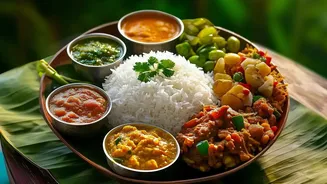
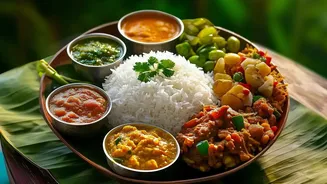
are increasingly seeking out micro-regional cuisines—dishes specific to a particular state, community, or even district. Think beyond generic Bengali food to a specific Kayastha curry, or past a general Maharashtrian meal to the coastal flavours of Malvani cooking. This trend is driven by a growing appreciation for culinary heritage and a desire for the authentic, nourishing taste of home-style meals. People are looking for flavours they grew up with, moving away from westernized or one-size-fits-all recipes toward food that tells a story of a specific place.
The Cloud Kitchen Advantage
This culinary explosion is being enabled by the business model of the cloud kitchen. Also known as ghost or virtual kitchens, these are delivery-only establishments with no physical storefront or seating. By eliminating the enormous costs of prime real estate, front-of-house staff, and elaborate decor, cloud kitchens significantly lower the barrier to entry for new food entrepreneurs. This low-risk, low-investment model is the perfect incubator for niche concepts. An entrepreneur passionate about their grandmother's Kongunadu recipes from rural Tamil Nadu would struggle to finance a full-fledged restaurant. But a delivery-only kitchen allows them to test the market, build a following, and operate with much leaner margins, making it possible to serve a smaller, dedicated audience profitably.
A Search for Nostalgia and Novelty
The demand for these specialised meals comes from two main groups. The first is the massive population of internal migrants in India's metros. For students and professionals living far from home, these dishes offer a powerful taste of nostalgia and comfort. Being able to order an authentic dish that tastes 'just like home' is a potent emotional pull, filling a gap that generic restaurant fare cannot. The second group consists of curious urban foodies. Tired of the same options, these culinary explorers are eager to expand their palates and discover the authentic flavours of cuisines they've never tried before. They are actively seeking new, unforgettable dining experiences, and the hyper-local offerings from cloud kitchens provide exactly that. This growing consumer curiosity is a key driver of the trend.
Challenges in a Crowded Market
Despite the clear demand, the path for these specialised kitchens is not without its hurdles. The Indian cloud kitchen market, estimated to be worth around USD 1.39 billion in 2026, is intensely competitive. Visibility on packed food aggregator apps like Swiggy and Zomato is a major challenge, often requiring significant spending on ads and promotions. Dependency on these platforms also means sacrificing a large portion of revenue, with commissions often ranging from 25–30%. Furthermore, sourcing rare, region–specific ingredients to maintain authenticity can be a logistical and financial challenge. Maintaining consistent quality, especially when scaling up or managing deliveries, is another critical test that many fledgling kitchens face.